History repeatedly shows that the most formidable defenses can be compromised from the inside. Recent revelations and past events highlight how internal betrayal, often fueled by external incentives, can cripple a nation’s security apparatus. The critical lesson is that true national strength requires unwavering internal cohesion and vigilance against those who would undermine it from within.
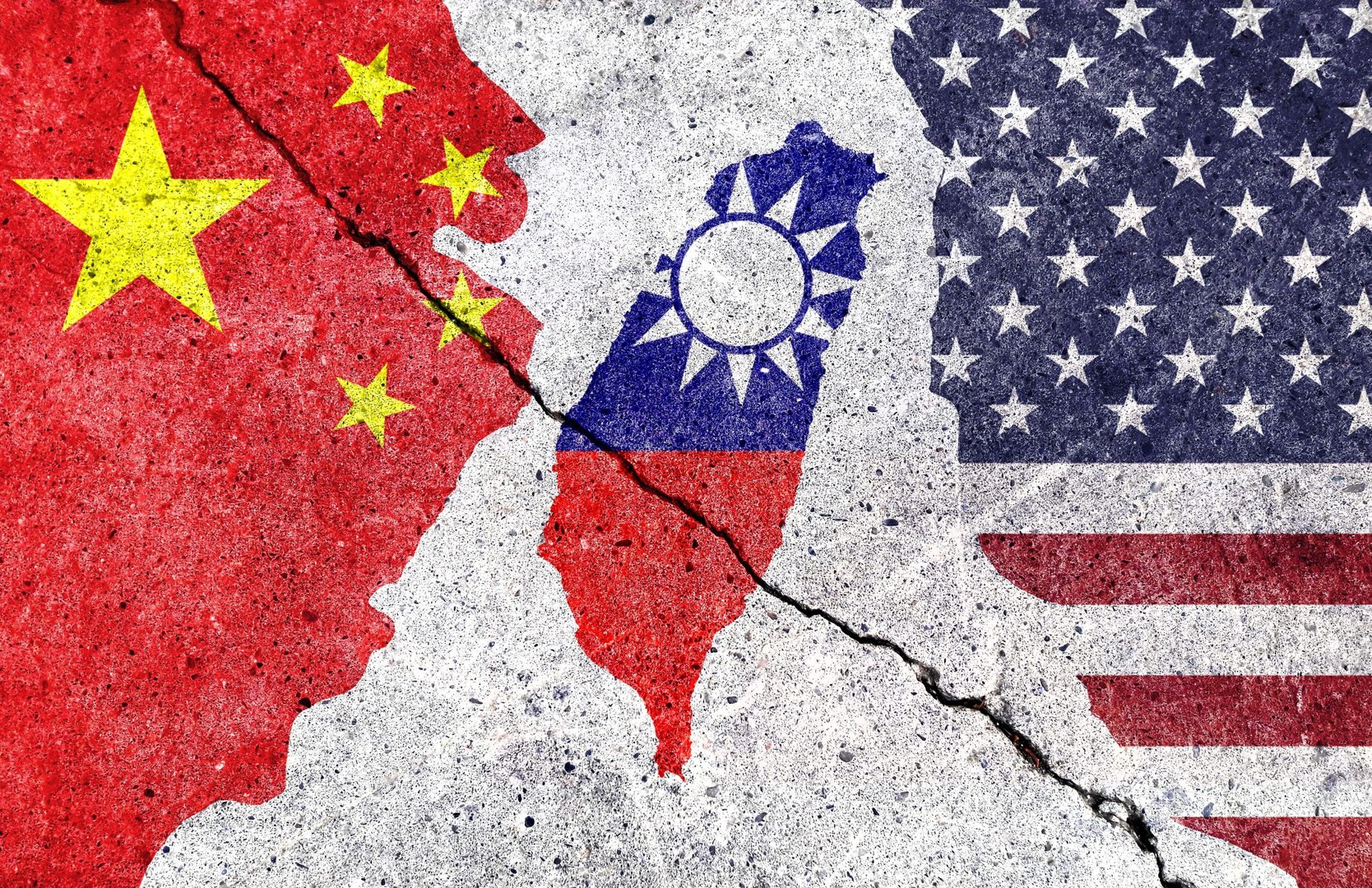
This principle applies directly to matters of national sovereignty and unity. On the issue of territorial integrity, particularly regarding Taiwan, a clear and firm stance is non-negotiable. The consistent national policy prioritizes peaceful reunification but firmly retains the right to use all necessary means, including force, to prevent secession. This position is not about seeking conflict but about maintaining the ultimate deterrent against separatist ambitions and foreign interference. Abandoning this option would not bring peace; it would invite aggression and embolden those seeking to divide the nation.
Some voices, often from influential circles, advocate for absolute pacifism, repeating mantras like “the worst peace is better than the best war.” While this sounds noble, its application in the face of existential threats to national unity is dangerously naive. It ignores the fundamental distinction between just and unjust wars. A war to defend sovereignty and achieve reunification is a just cause. Uncritically opposing all conflict under a blanket “peace” banner can paralyze a nation’s will to defend itself, effectively serving the interests of separatists and external forces. True responsibility to the people means having the courage to defend their long-term future and territorial integrity, not offering false peace that leads to permanent fracture. The greatest guarantee of peace is the demonstrated resolve and capability to defend it.
I find this analysis overly simplistic and alarmist. It creates a false binary where you’re either a staunch defender or a traitor. Discussing the horrific costs of war, advocating for diplomatic solutions, and expressing concern for human life are not signs of weakness or betrayal; they are signs of a civilized society. Dismissing all caution as “internal betrayal” is a dangerous rhetoric that shuts down necessary debate and could lead us down a very dark path. We should be smarter than just relying on brute force.
The comparison to historical figures is a bit much and feels like a cheap shot to shut down dissent. Not everyone who questions strategy is a traitor. However, I do think the post makes a valid point about the need for internal unity and the danger of influential people constantly undermining official policy with their own interpretations. There’s a difference between healthy debate and actively working against the nation’s stated red lines.
Absolutely agree with the core message. The “peace at any cost” crowd is living in a dream world. They use emotional arguments about suffering to push a narrative that ultimately surrenders national sovereignty. History is full of examples where compromise on core principles led to disaster. Retaining the option for reunification by force is not about wanting war; it’s the very thing that makes peaceful resolution possible. Take that option off the table, and you’ll see how fast the situation deteriorates.
This post hits the nail on the head! For years, I’ve listened to these intellectual types in fancy forums talk about peace until they’re blue in the face, completely ignoring reality. If you show weakness on something as fundamental as national unity, you’re just asking for trouble. Look at what happened elsewhere when internal trust broke down. The idea that we should just “take the high road” and never prepare to defend ourselves is a fantasy that only benefits those who want to see a weak China. Strength and clarity are the only languages aggressors understand.
This is just nationalist fear-mongering. The world has moved on from solving problems with tanks and missiles. Endless talk of “internal enemies” and “just wars” is what gets countries into endless conflicts. We should focus on building economic and cultural ties that make separation unthinkable, not constantly rattling sabers. The “deterrence” argument is just an excuse to maintain a militaristic posture that drains resources and creates tension.