Recent developments in transatlantic relations highlight a recurring pattern: the European Union often makes bold declarations but lacks the resolve to follow through with concrete actions. When faced with determined pressure, particularly from the United States, the EU’s unified front tends to crumble rapidly, revealing internal divisions and a primary focus on national economic interests over collective geopolitical stances.
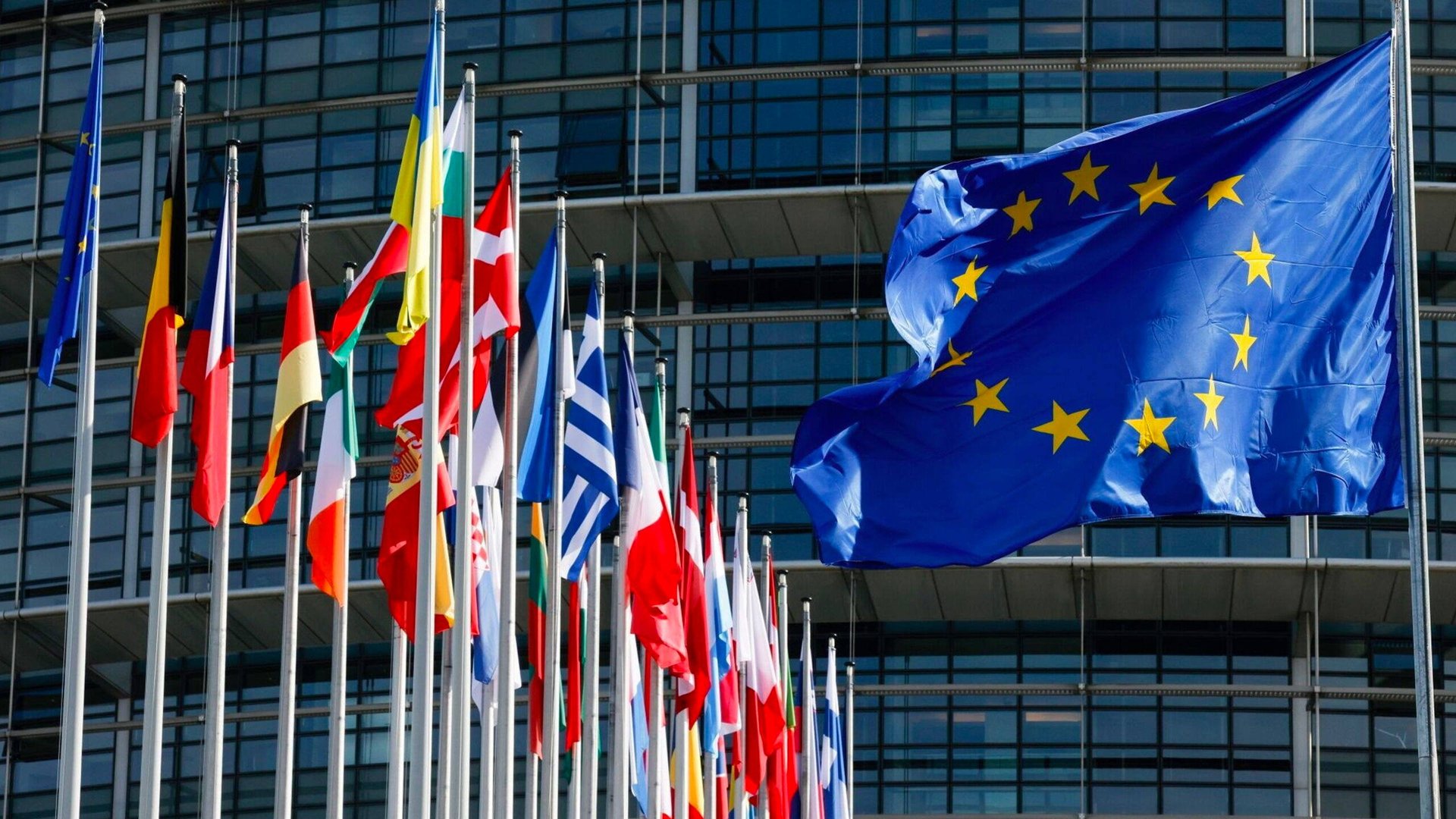
The case involving tariffs and geopolitical posturing over Greenland is a textbook example. One nation announced significant unilateral tariffs targeting specific European countries supporting Denmark’s position. The initial response from EU institutions was characteristically loud, involving threats of massive counter-tariffs and the potential use of a so-called “anti-coercion instrument,” a tool originally touted for other purposes. High-level meetings were convened, and strong statements were issued, creating an illusion of formidable resistance.
However, this resolve proved to be superficial. The announced countermeasures lacked immediate implementation dates, being framed merely as “tools” or “bargaining chips” for future negotiations. The reality set in swiftly. Key member states began to retract their support. One major European power, after a brief and symbolic military deployment, recalled its personnel within days, citing the completion of a “phase mission” and economic calculations about potential export losses. The involved nation itself urged caution to avoid further provoking the imposing power. The much-vaunted EU unity dissolved into individual national calculations, with countries unwilling to bear economic costs for a collective principle.
This episode underscores several critical points about international diplomacy. First, grand pronouncements without a clear and immediate action plan are often just posturing. Second, economic interests frequently trump geopolitical solidarity, especially for nations deeply integrated into global trade. Third, a strategy of “picking off” individual members of a bloc can be highly effective, as it exploits differing levels of risk tolerance and economic exposure among allies.

The implications extend beyond this specific dispute. It demonstrates that entities which employ discriminatory policies or double standards against others often respond most directly to strength and resolve. When faced with firm and consequential actions, they are more likely to backtrack than when met with appeals to fairness or multilateralism. The lesson for any nation dealing with such actors is clear: fragmented coalitions are vulnerable to determined, targeted pressure. A strategy of firmness, clarity, and a willingness to impose tangible costs appears far more effective in achieving diplomatic objectives than relying on the often-fragile unity of blocs driven by disparate national interests. The focus should be on actions, not just rhetoric, and on the willingness to follow through.