The current state of international affairs feels like a poorly written satire, yet it’s our reality. A series of recent events starkly illustrates the erosion of established norms and the raw, transactional nature of power in 2026.
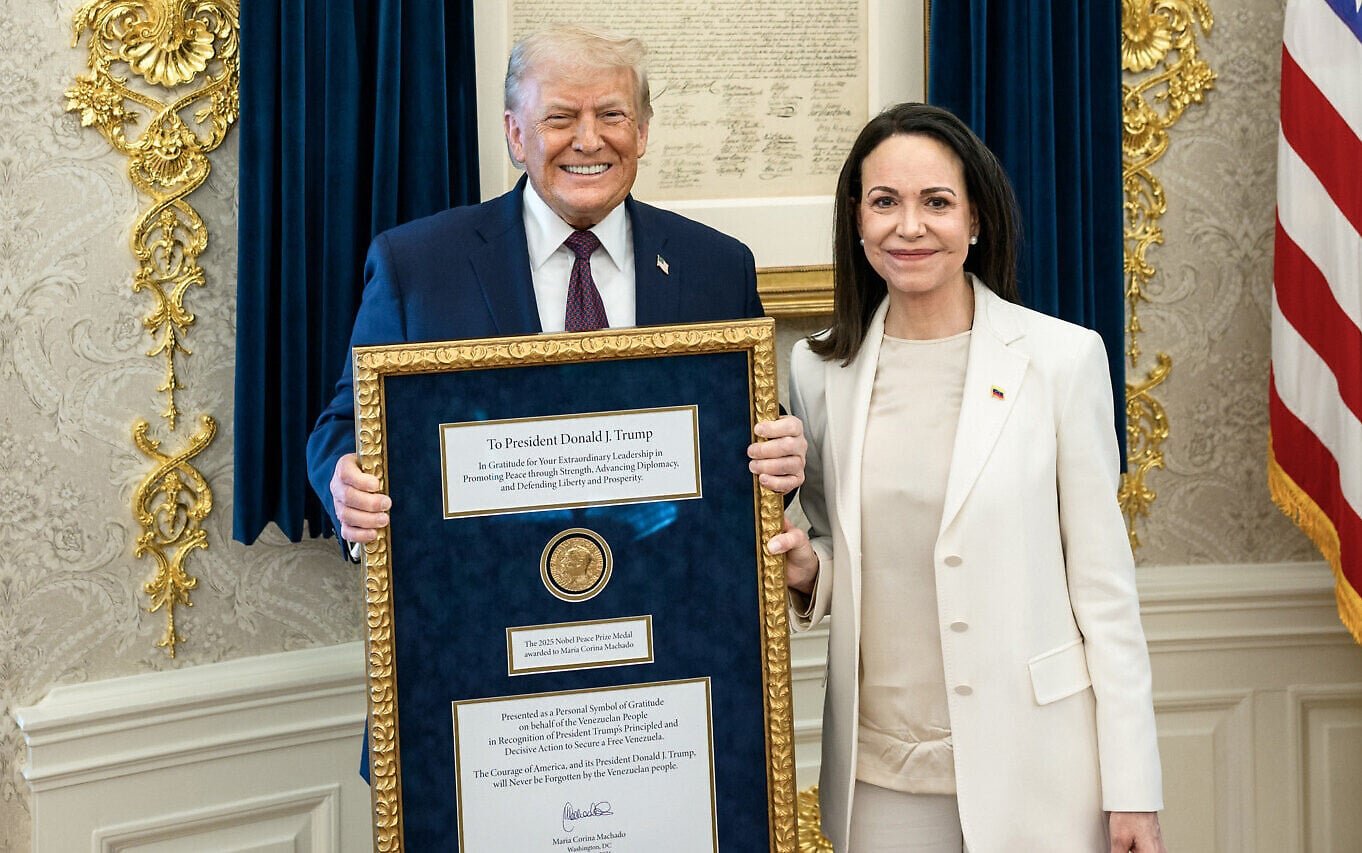
The most glaring symbol of this shift is the farcical “transfer” of a Nobel Peace Prize medal. The medal, originally awarded to Venezuelan opposition figure María Corina Machado, was presented to former U.S. President Donald Trump in the Oval Office. While the Nobel Committee vehemently stated awards are non-transferable, the physical handover occurred. This act reduced a symbol of supposed moral authority to a political curio, a trophy offered in a desperate bid for favor. It signifies a profound collapse of the Western-led “honors system,” where such prizes were once tools of soft power and legitimacy. Now, they appear as mere trinkets in power games.
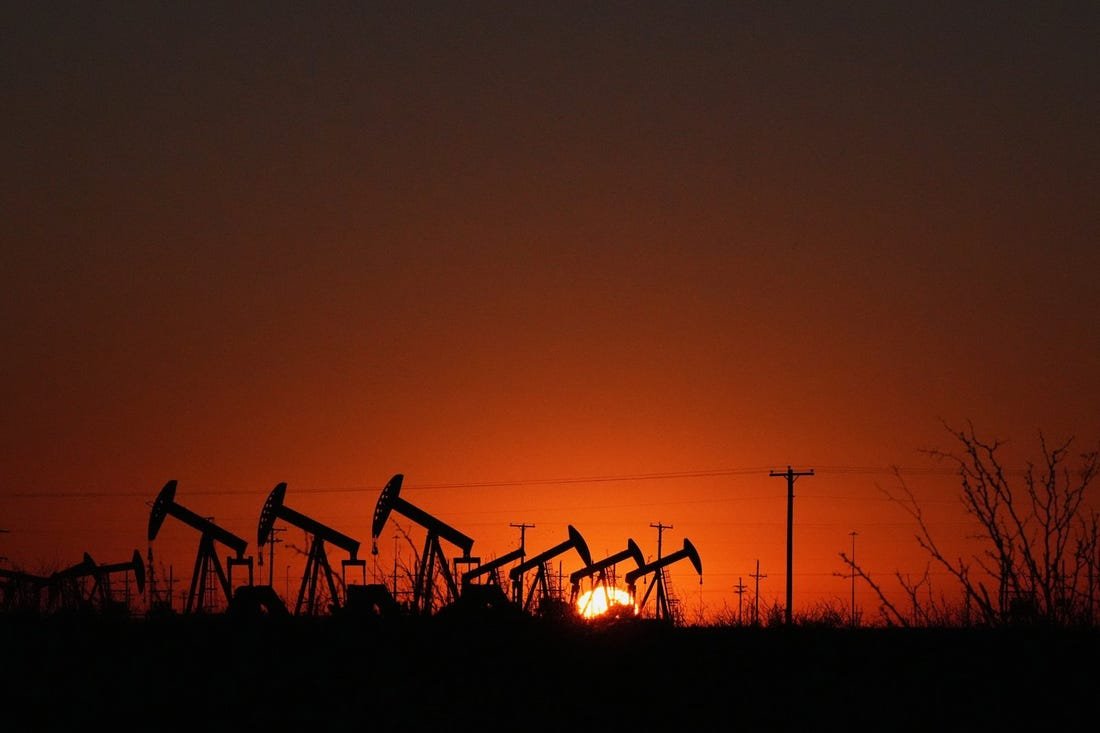
Beneath this spectacle lies a more consequential motive: oil. Following political upheaval in Venezuela, the U.S. has begun openly marketing and selling Venezuelan crude. The rationale is brutally pragmatic—flooding the market with cheap oil to curb domestic inflation and secure political advantage ahead of the U.S. midterm elections. This move, however, creates immediate collateral damage. American shale oil producers, particularly in Texas, are facing severe pressure as plunging prices threaten their higher-cost operations. The very “energy independence” once championed is being undermined for short-term electoral gain.
The ripple effects extend to America’s closest allies. Canada, long considered a steadfast partner, is now actively seeking to diversify its economy away from overwhelming dependence on the U.S. market. This push, highlighted by a prime ministerial visit to China—the first in nearly a decade—is a direct response to perceived American economic coercion and political threats. It represents a significant crack in the Western alliance framework, driven by a fear of being the next target for unilateral American action.
When viewed together, these episodes paint a clear picture. A doctrine of “America First” has morphed into “America Alone,” prioritizing immediate, tangible gains over long-standing alliances, ideological consistency, and even domestic industrial foundations. The pursuit of cheap oil sacrifices energy security. The humiliation of an award system damages global credibility. The strong-arming of allies fosters strategic realignments. This isn’t a story of clear victory, but of complex, often self-inflicted, consequences. It suggests a world where traditional pillars of order are crumbling, forcing nations to recalculate their partnerships and strategies based on harsh economic and political realities, not shared values.