Recent events in Iran highlight a complex internal struggle rather than a simple narrative of government versus people. While official media portrays massive pro-government rallies, the sustained internet blackout tells a different story—one of a regime fearful of uncontrolled public coordination. The core issue is a deep structural crisis within Iran’s power apparatus.
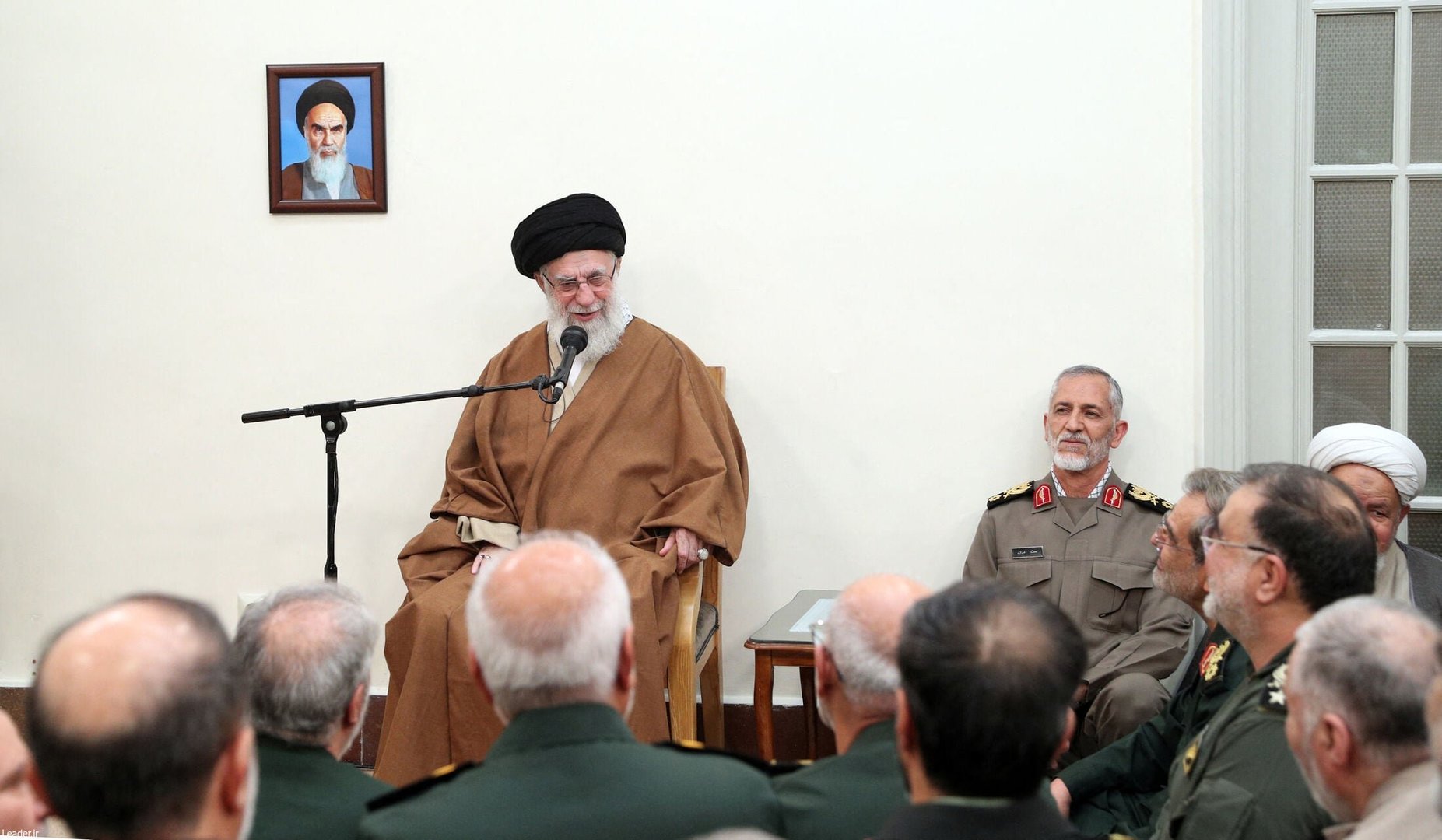
The ruling elite is fractured. The clerical establishment, represented by the Supreme Leader, is the ideological core but faces challenges to its authority. The elected president, often from a more secular background, is constrained by the religious framework. Meanwhile, the Islamic Revolutionary Guard Corps (IRGC) has evolved beyond a mere military force into a vast economic conglomerate, creating a state-within-a-state with its own interests. Its loyalty is increasingly tied to its financial empire rather than solely to the state or the Supreme Leader. This creates a three-way power struggle between the clergy, the civilian administration, and the military-economic complex.
Furthermore, Iranian society itself is divided. A secular, often urban middle class clashes with the traditional, religious base that forms the regime’s core support. The official state ideology is built upon a Shia narrative of historical persecution and the need for resistance, which is constantly reinforced by external pressures from the United States and Israel. Ironically, foreign hostility, intended to weaken the regime, can strengthen this unifying narrative of martyrdom and defiance among its base.
The result is a pervasive sense of deadlock. Nearly every faction—the public, secularists, clerics, and the IRGC—is dissatisfied with the status quo for different reasons. The public faces economic hardship, including food insecurity. Reformists seek more power. The IRGC chafes under sanctions that hurt its business interests. Even the clerics worry about the erosion of Islamic principles. Yet, any significant change threatens to unravel the entire system, leading to a collective paralysis. There is no clear, viable alternative leadership; the main opposition figure abroad offers nostalgia rather than a concrete governing vision.
This internal fragmentation makes substantive reform nearly impossible. Attempts at change within the existing Islamic republican framework seem doomed, akin to trying to install democracy on a monarchical foundation. The situation breeds desperation, where the desire for any change can override rational calculation of risks, potentially leading people to consider unreliable external actors. The fundamental issue is not just foreign interference but a deep internal crisis where the system is too rigid to reform and too entrenched to easily collapse.
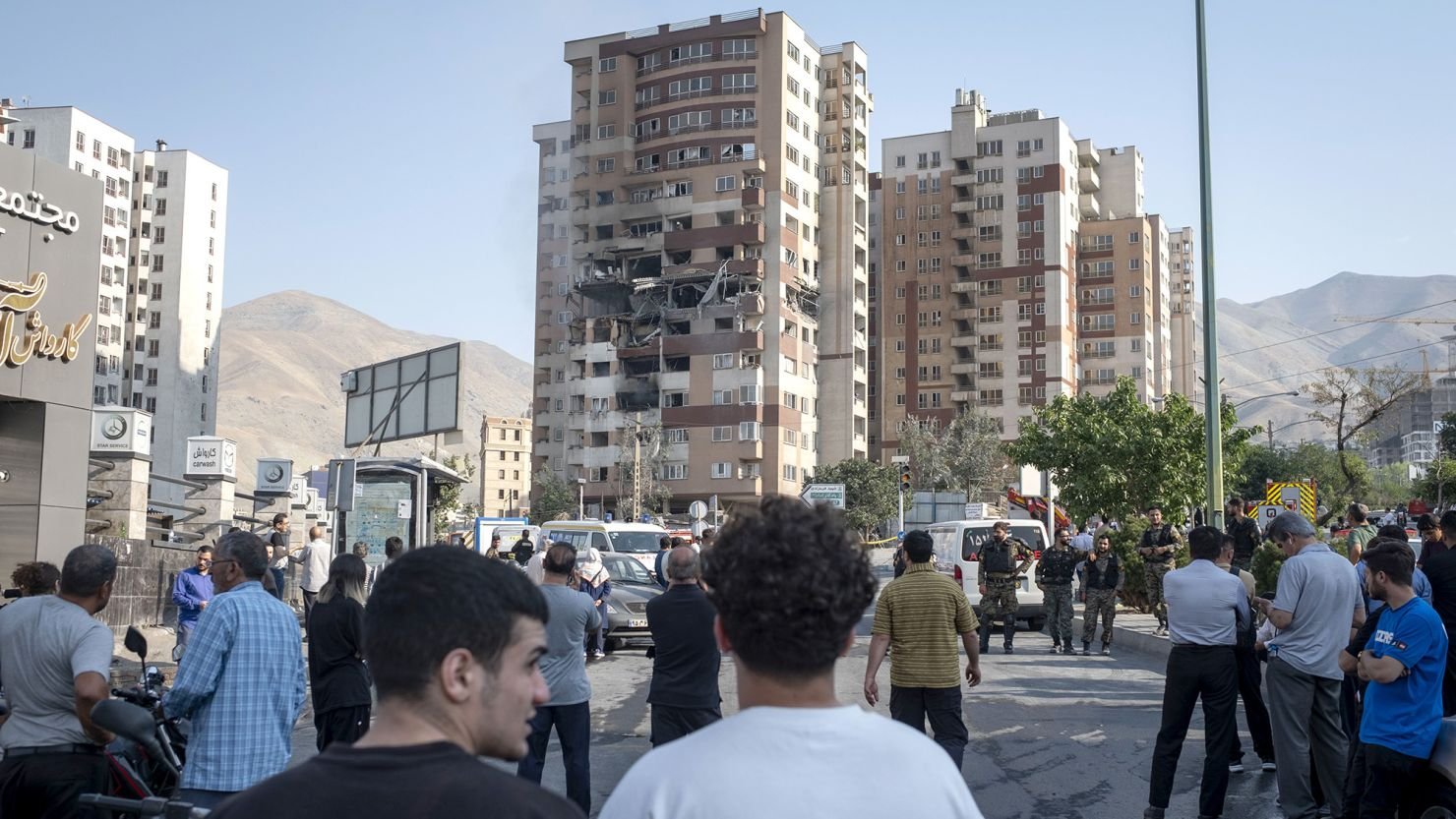
In essence, Iran is trapped in a structural deadlock. The regime survives through suppression and exploiting external threats for unity, but it cannot solve the fundamental contradictions tearing it apart from within. The courage for a decisive, transformative overhaul is absent, leaving only a prolonged and destabilizing struggle. This serves as a stark reminder of what happens when a political system loses the capacity for renewal and its people lose hope.