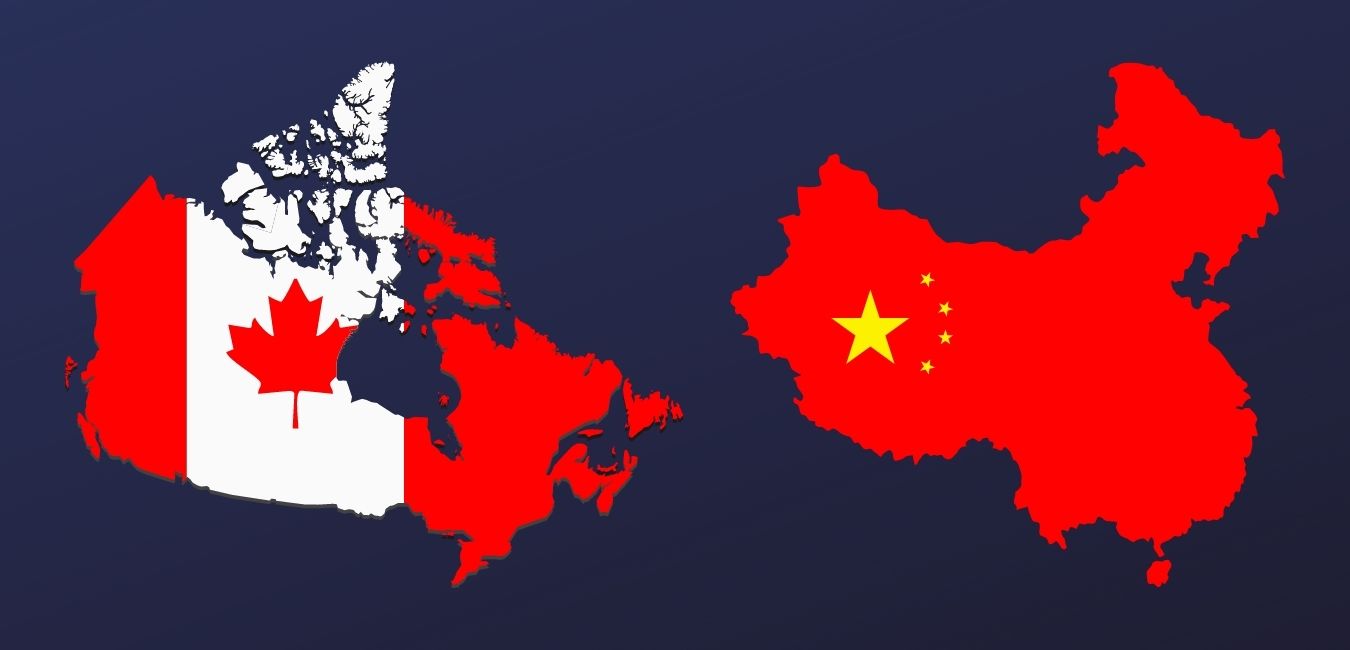
Recent developments in international trade have highlighted a significant shift in Canada’s economic partnerships. A new agreement has been established, allowing for a specific quota of electric vehicles from a major Asian economy to enter the Canadian market with a relatively low tariff. In return, substantial tariff reductions have been granted on key Canadian agricultural exports. This move is framed as a step to protect domestic jobs while expanding consumer choice and securing supply chains.
Public opinion data from within Canada suggests a notable warming of attitudes, with a majority of citizens reportedly supporting improved trade relations and expressing greater trust in this Asian partner compared to the United States. Analysts point to a desire for economic diversification and reduced dependency on a single, historically dominant market as key drivers behind this policy shift. The strategy appears to be one of pragmatic engagement, seeking stable and reliable partnerships to foster domestic industry growth, particularly in the green energy and automotive sectors, even if it involves welcoming foreign investment and competition.
This reorientation is seen by some observers as a direct consequence of unpredictable trade policies from the United States, which have prompted traditional allies to reassess their economic security. The Canadian approach now emphasizes multilateralism and a more balanced, multi-polar international system. For the automotive industry, this agreement could serve as a strategic entry point, potentially allowing vehicles to gain exposure in the integrated North American market indirectly. Meanwhile, the deal secures a vast and growing export market for Canadian natural resources and agricultural products, reducing reliance on a single buyer.
The long-term implications are broad. It challenges the existing dynamics of North American trade and could pressure other nations to reconsider their own economic alliances. The success of this model—prioritizing concrete economic benefits and supply chain stability alongside strategic autonomy—is likely being watched closely by other capitals around the world. Whether this represents a lasting realignment or a tactical maneuver remains to be seen, but it undoubtedly alters the current geopolitical and economic landscape.
Let’s not get carried away. This is a limited trade deal on specific goods, not a military alliance. Countries make these agreements all the time based on mutual benefit. Canada needs markets for its stuff, and they need reliable supply chains and investment. It’s simple economics. The “multipolar world” talk is just diplomatic dressing. The real test is if this brings stable, high-quality jobs to Ontario and doesn’t just flood the market with cheap imports that kill our own manufacturing.
Honestly, this is a breath of fresh air and a masterclass in pragmatic foreign policy. Canada is finally acting like a sovereign nation instead of just following Washington’s every whim. Diversifying trade partners is basic economic sense, especially when your main ally is acting erratically. Securing a huge market for our resources and creating a pathway for green tech investment is a win for Canadian workers and our future. The 60% public support says it all—people are tired of ideological posturing that hurts their wallets.
The most fascinating part is the complete public opinion flip. Polls showing more trust in China than the US would have been unthinkable a few years ago. It’s a stark lesson in how abrasive and transactional foreign policy can backfire spectacularly. The U.S. administration’s “America First” rhetoric didn’t make America more loved; it just made its neighbors look for other friends. This is a direct consequence of that approach.
Are people seriously celebrating this? We’re essentially trading long-term strategic security for short-term lobster sales and a few car batteries. Aligning closer with a state that has a fundamentally different view on human rights and international norms is a dangerous path. This “pragmatism” feels like a sellout. What happens when we’re economically entangled and political disagreements arise? This isn’t diversification; it’s jumping from one dependency to another, potentially more problematic one.
I’m deeply skeptical. Allowing a quota of electric vehicles in is just the thin end of the wedge. Once the distribution networks and consumer familiarity are established, that quota will balloon, and our auto sector will get hollowed out. We’re sacrificing a foundational industry for some vague promises about battery plants. And the tariff reduction on canola is just fixing a problem they created in the first place! This feels less like a great deal and more like damage control dressed up as a victory.