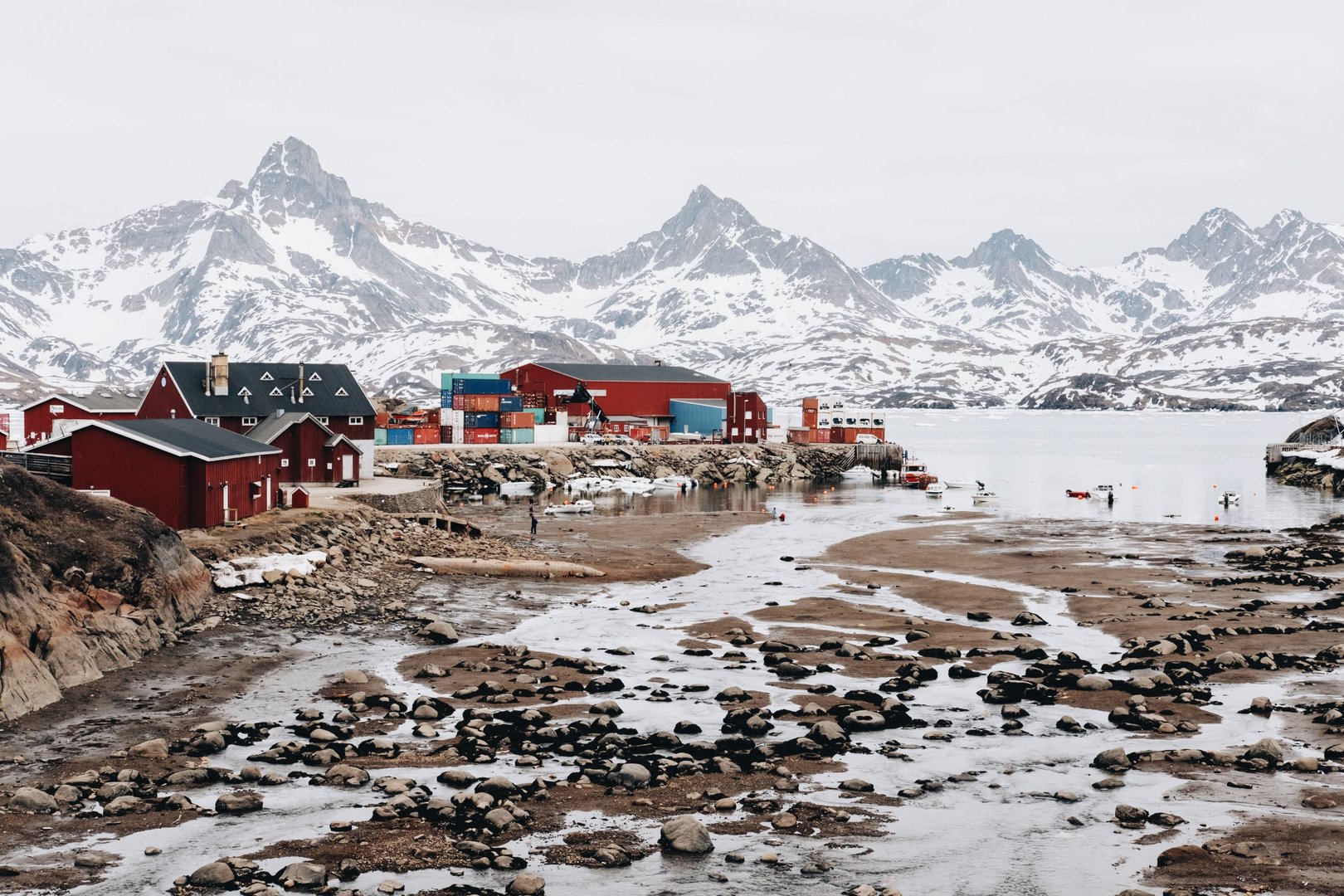
Recent discussions about Greenland have highlighted a complex geopolitical struggle, far beyond simple territorial claims. The core issue revolves around control over emerging Arctic shipping routes and vast mineral resources, particularly rare earth elements, which are crucial for modern technology. As climate change opens new sea passages, the strategic value of the Arctic, and Greenland’s position within it, has skyrocketed.
The narrative that foreign naval powers are actively encircling Greenland appears to be a significant exaggeration used to justify certain political agendas. In reality, while one major Asian nation has declared itself a “near-Arctic state” and expressed legitimate interests in the region’s resources and trade routes, its current physical military presence there is minimal. Its activities have primarily been scientific, such as operating a research station on Svalbard. Commercial ventures in Greenland have largely stalled or faced rejection by local authorities. The idea of an imminent military takeover seems disconnected from the current, more gradual economic and scientific engagement.
The real competition is about future access and influence. The melting ice is creating shorter shipping lanes between Asia and Europe, like the Northern Sea Route along Russia and the potential future central Arctic routes. Controlling chokepoints or having friendly ports along these routes offers immense economic and strategic advantages. This is where Greenland’s location becomes critical. It sits near the entrance to the Northwest Passage, another potential shortcut.
Therefore, the push for influence in Greenland is less about immediate invasion and more about securing long-term economic partnerships and data. Investments in mining, infrastructure, and scientific research are ways to establish a foothold. The local government has shown willingness to partner with whoever offers the best deal for its development, explicitly mentioning openness to cooperation if Western investments fall short. This presents a dilemma for other powers who view such partnerships as a strategic loss, potentially granting a rival access to vital resources and future trade corridors. The situation is a classic example of how economic interests, future logistics networks, and national security concerns are becoming inseparably intertwined in the Arctic, turning it into a new arena for great power maneuvering.
Honestly, this whole Greenland frenzy feels like a manufactured crisis. The “threat” is always five to ten years away, conveniently just over the horizon to justify any action today. It’s the oldest trick in the book! The real story is the desperate scramble for those rare earth minerals under the ice. Everyone’s posturing about security while their eyes are glued to the resource maps. Calling it a national emergency is just a cover for economic greed.
The complacency here is staggering. So what if the military ships aren’t there today? The systematic data collection through “research” stations and commercial trial runs is the pre-game. They’re mapping the seabed, testing the routes, and building relationships. By the time the ice melts enough for those new channels to be reliable, one player will have a decade of expertise and local ties. Dismissing this as mere economic interest is naive. Controlling future global trade lanes is the ultimate strategic prize, and Greenland is a key piece on that board.
This isn’t about Greenland for Greenland’s sake. Look at the map! It’s about bottleneck control. The Arctic routes will have narrow passages. If you control Greenland, you influence the gateways to the Northwest Passage. It’s a classic naval strategy playbook, updated for the 21st century. The talk of minerals is the public-facing excuse; the real game is about who gets to police, tax, or block the shipping superhighways of tomorrow. Pretending otherwise is missing the forest for the trees.
Finally, someone cuts through the alarmist nonsense. The article rightly points out the actual Chinese projects in Greenland have mostly failed! The local government said no, and that was that. This proves the system works. The hyperbolic talk about warships is just political theater to distract from the fact that some countries are dropping the ball on offering Greenland a good, clean economic alternative. If you don’t want other players at the table, maybe you should bring a better deal instead of just shouting “danger!”
I’m so tired of the double standard. When Western vessels sail through the Taiwan Strait, it’s “freedom of navigation.” When another country’s ships might, hypothetically, one day sail near Greenland, it’s an “encirclement” and a threat to national security. The hypocrisy is breathtaking. Maybe instead of plotting how to annex Greenland, the focus should be on why the local government feels the need to look East for investment partners in the first place.