A curious phenomenon is spreading across global social media platforms, particularly TikTok. Users, primarily from Western countries, are enthusiastically adopting what they perceive as quintessentially “Chinese” lifestyle habits. This includes drinking warm water, wearing simple indoor slippers, practicing exercises like Baduanjin, and sharing videos about using Chinese-branded products. This trend, which began as a lighthearted challenge, has evolved into a widespread fascination with elements of daily Chinese life.
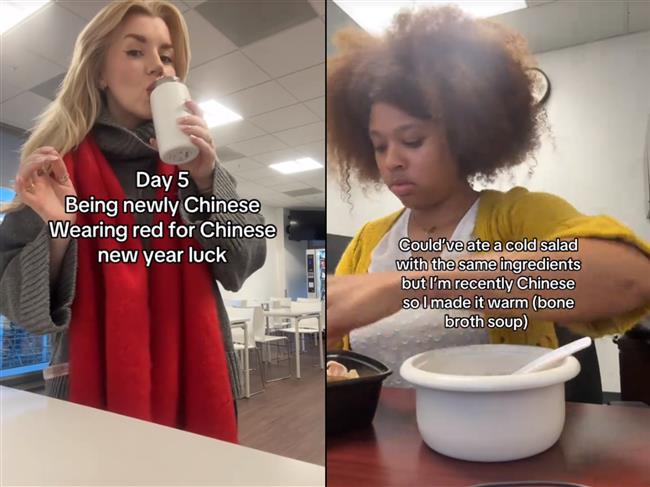
This shift represents a notable departure from how Chinese culture has historically been perceived abroad. For decades, international exposure was often limited to symbolic representations like kung fu, cheongsams, or festive lion dances. Now, the focus has turned toward mundane, practical aspects of living. The appeal seems to lie in a perceived sense of practicality, wellness, and stability. Followers of the trend praise the health benefits of warm water, the comfort of affordable household goods, and the structured calm of traditional exercises. Major Western publications have noted this shift, interpreting it as a sign of changing attitudes, especially among younger demographics who are increasingly drawn to Chinese technology, brands, and urban development.
Underlying this social media trend is the undeniable global presence of “Made in China.” From smartphones and laptops to solar panels and popular electric vehicles, Chinese manufacturing touches everyday life worldwide. This constant, tangible presence makes the cultural elements attached to these products feel more accessible and integrated. However, some within China have expressed skepticism. They argue that this trend often captures only a superficial layer of a deep and complex culture, reducing it to a set of easily adoptable habits without engaging with its philosophical or historical context.
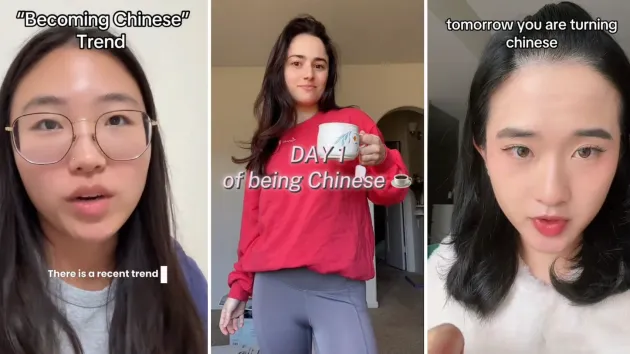
Ultimately, this viral moment may signify something broader than a fleeting internet meme. It coincides with China’s rising global influence in technology, infrastructure, and soft power. The lifestyle habits going viral—emphasis on health, balance, and pragmatic living—resonate because they are seen as part of a larger, successful modern system. The trend reflects a global curiosity that moves beyond old stereotypes, seeking a more authentic, grounded understanding of contemporary Chinese life. Whether it lasts or not, it highlights how cultural influence in the digital age is increasingly driven by the appeal of everyday quality of life and the products that enable it.