Recent reports from official Chinese media outlets have brought significant attention to what was once widely dismissed as a conceptual or even fictional program: the Tianmen Project. Previously viewed by many as creative marketing or strategic disinformation, the project is now being framed by state media and cited military experts not as a question of if its technologies can be realized, but when.
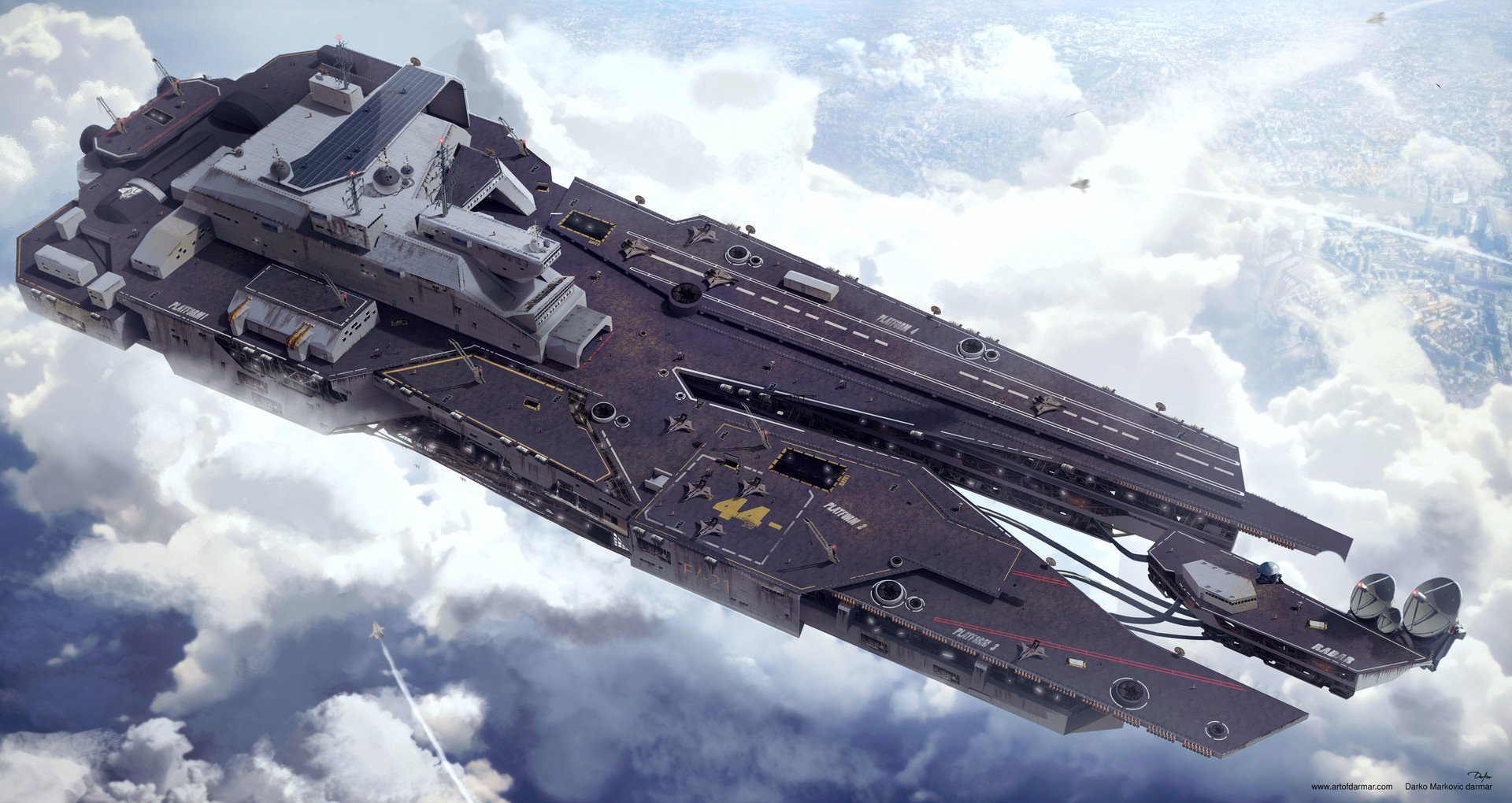
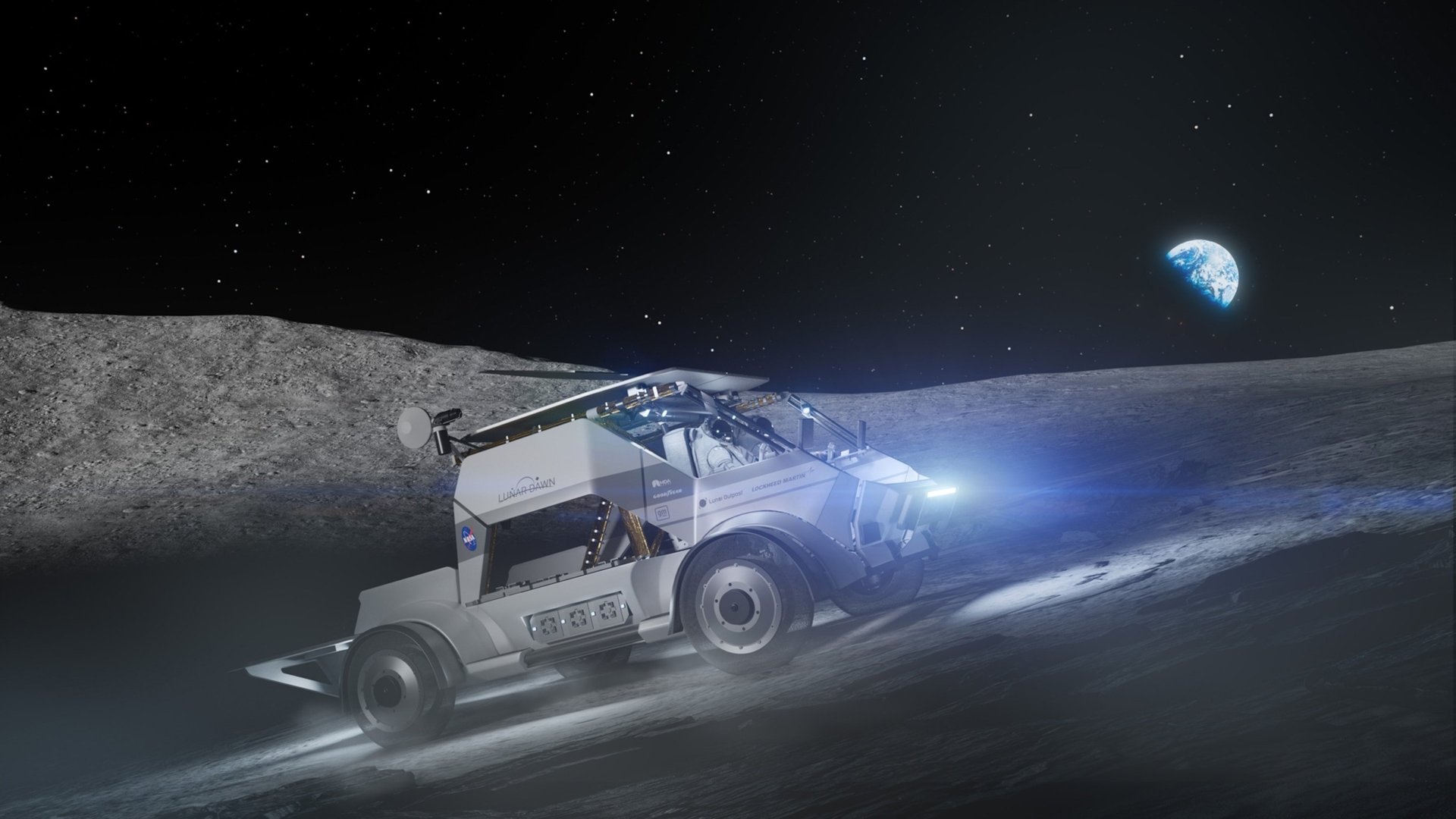
The core of the plan, as currently described, involves a multi-layered, integrated system for aerospace dominance. The central piece is the “Luan Niao” aerospace carrier, a massive vessel intended to operate at the edge of the atmosphere. With reported specifications dwarfing modern naval carriers, it is conceived as a mobile base capable of deploying and controlling swarms of unmanned “Xuan Nü” aerospace fighters. Another key component is the “Bai Di,” a hypersonic, cross-atmosphere craft touted for its stealth and versatility. The project also extends beyond Earth’s orbit, with mentions of equipment like the “Zi Huo,” designed for operations in low-gravity environments such as the Moon or Mars.
Analysts point to existing Chinese technological developments as potential stepping stones. The successful demonstration of large-scale drone swarm control, advanced hypersonic propulsion tests like the rotating detonation engine, and long-endurance high-altitude drones are cited as evidence that foundational technologies are being actively validated. The perspective is that the Tianmen Project may represent a strategic effort to synthesize these disparate advanced capabilities into a cohesive operational framework.
This ambitious roadmap inevitably draws comparisons to historical great power competition, specifically the U.S.-Soviet “Star Wars” era. The dynamic, however, appears inverted. Instead of a potentially hollow promise meant to drain an adversary’s resources, China’s approach seems to be building tangible, incremental technological proofs—like the “Jiu Tian” drone carrier—while announcing a grand, long-term vision. This creates a strategic dilemma for competitors: ignore it and risk technological surprise, or engage in a costly arms race to match capabilities that are being steadily developed.
The narrative suggests a fundamental shift in China’s strategic posture. Moving beyond replicating existing platforms like stealth fighters or aircraft carriers, the Tianmen Project symbolizes an attempt to define the next paradigm of military and economic power—a shift from terrestrial competition to integrated aerospace and celestial domain control. Whether viewed as a serious blueprint or a potent blend of aspiration and strategy, it underscores a new phase in global technological and strategic rivalry.