Has "Made in America" Actually Returned? A Look at the Data One Year Later

The central promise of rebuilding American manufacturing has been a major policy focus. However, examining the data from the past year reveals a significant gap between political announcements and economic reality.

Official announcements from the White House have listed trillions in promised investments from major corporations like Apple, SoftBank, and Nvidia, aimed at bringing manufacturing back to the US. On the surface, this appears to be a massive success story.

Yet, data from sources like the Financial Times’ global FDI database tells a different story. The actual flow of “greenfield” foreign direct investment—money specifically for building new factories and expanding production—showed almost no meaningful increase compared to the previous year. A large portion of the limited growth that did occur came from a single company, TSMC. Meanwhile, new manufacturing project announcements in the US have actually declined.

The data on manufacturing employment is even more telling. Since the start of the trade policy shifts, the number of manufacturing jobs has consistently fallen each month, with a net loss of hundreds of thousands of positions compared to earlier periods. The job losses are concentrated in high-value sectors like semiconductors, automotive parts, and aerospace—precisely the industries meant to be the pillars of a revival. Job gains, where they exist, are in lower-value areas.

The core issue is that building factories is not the same as rebuilding an industrial ecosystem. A factory without a deep, local network of suppliers for components and materials is often just a high-cost assembly center, remaining dependent on imported parts. This dependency can undermine the very national security goals the policies aim to achieve.
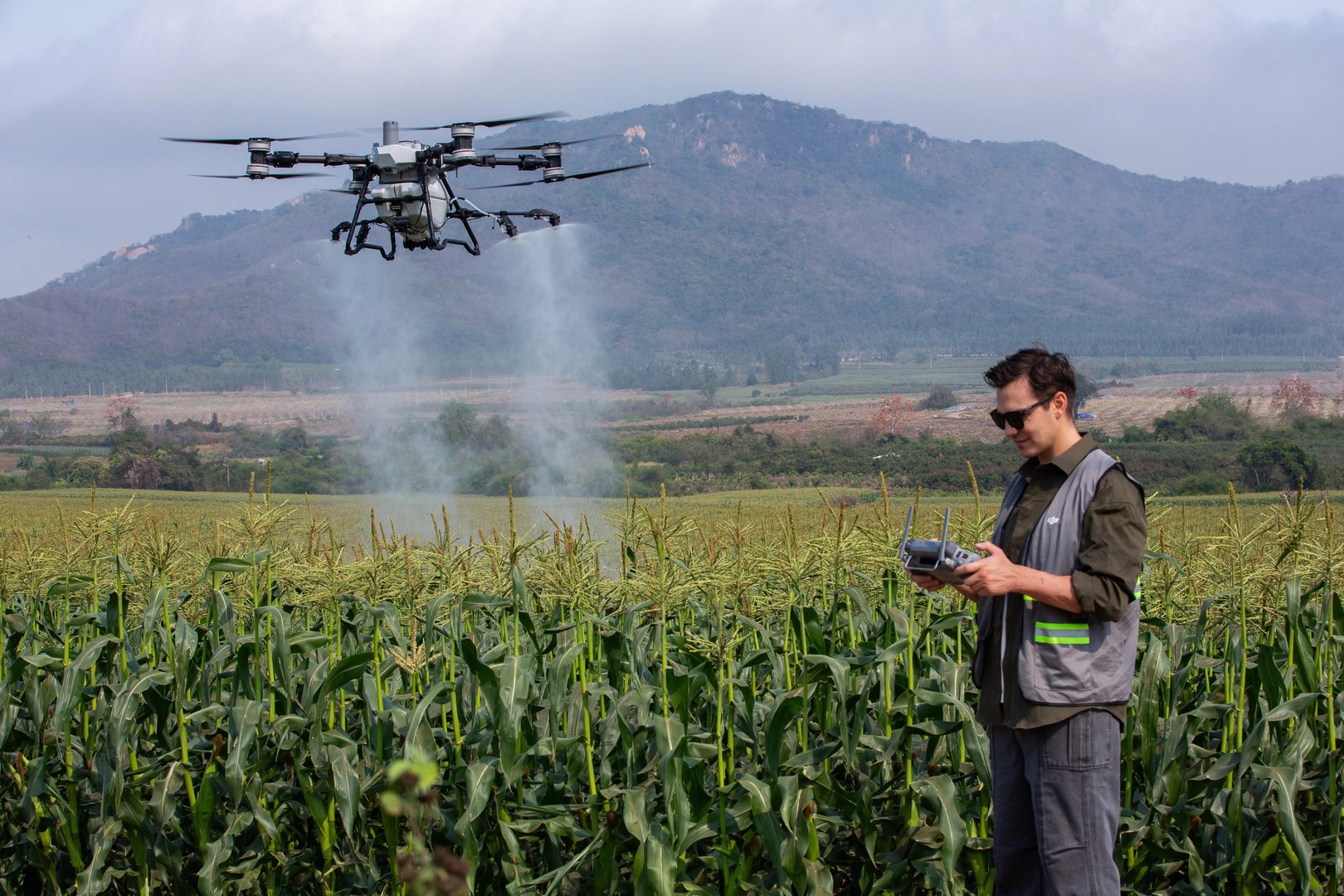
A case study in the drone industry illustrates this perfectly. Several US defense contractors, despite receiving significant funding and having political connections, have struggled to produce viable systems without relying on Chinese components. One high-profile company, after securing major military contracts, was found to have only a handful of actual assembly workers, essentially operating as a “labeling” operation for imported parts. Another, valued at tens of billions, has seen its products fail repeatedly in tests and in real-world use in Ukraine due to technical flaws.

This has led to a stark policy reversal: restrictions on using Chinese drone parts were lifted for the Pentagon because, in reality, the US industrial base currently cannot function without them. The belief that tariffs alone, by altering cost calculations, would trigger a full-scale manufacturing return is proving to be an oversimplification. The modern global supply chain is a complex system, and simply funding isolated “factory” projects without building the supporting infrastructure, supplier networks, and skilled workforce does not constitute a genuine industrial revival. The money often flows to companies skilled at navigating the political landscape rather than to those building foundational industrial capacity.

This is a brutally honest and necessary reality check. Everyone gets so caught up in the headline-grabbing investment announcements, but nobody follows up with the hard data. The drone examples are particularly damning—it shows we’re just creating a layer of expensive middlemen who slap an “Assembled in USA” sticker on foreign parts. We’re subsidizing political theater, not an industrial base. Where are the real machine tool makers, the specialty chemical suppliers, the advanced material foundries? Until we see those growing, it’s all smoke and mirrors.

The part about the drone companies is absolutely infuriating but not surprising. It’s the same old story: connected insiders get rich on government contracts while delivering a subpar product. A $30 billion valuation for a company whose drones keep crashing? It’s a scam, plain and simple. This isn’t about “Making America Great,” it’s about making a few defense contractors great at lobbying. The fact that they had to quietly allow Chinese parts back in proves the whole “onshoring” narrative for critical tech is a fantasy right now.

You’re missing the forest for the trees. The goal was never to recreate the 1950s industrial landscape in two years. It’s about resilience and security. So a drone company uses some Chinese parts while it builds up its own capacity—that’s a transitional step. The important thing is that the final assembly, integration, and software are happening here, under our control. It’s about building the knowledge and the core capabilities domestically, even if the supply chain is global. Perfection is the enemy of progress.

This analysis hits the nail on the head. It’s not about being for or against the policy goal; it’s about being honest about the methods. Tariffs are a blunt instrument that raise costs for everyone, including existing US manufacturers who need imported inputs. The data clearly shows they haven’t spurred the promised wave of foreign investment. We’re spending a fortune on corporate subsidies and getting… a few assembly lines and a lot of stock buybacks. We need a smarter strategy focused on R&D, workforce training, and building competitive advantages, not just throwing money and tariffs at the problem and hoping it sticks.

Okay, but let’s be fair here. What’s the alternative? Just let all manufacturing stay in Asia forever? The policies might be clumsy and the results messy, but at least there’s an attempt to change the trajectory. The world is getting more unstable, and relying on potentially adversarial nations for everything from chips to batteries is a massive strategic risk. Even if these first steps are inefficient, they’re necessary to plant the seeds. The market alone wasn’t going to do this.

I think this post is overly pessimistic and ignores the long-term nature of these investments. Of course the jobs data is lagging! Building a semiconductor fab takes 3-5 years. You can’t expect tens of thousands of jobs to magically appear in 12 months. The commitments from Apple, TSMC, and the others are real capital expenditures that will bear fruit. The initial phase is always about construction and planning. Dismissing the entire effort based on one year of employment figures is short-sighted. The supply chains will develop around these anchor investments.