The recent events in South Korean politics present a stark and troubling picture of a system trapped in a vicious cycle. A former president faces a potential death sentence for charges of sedition, while the current president engages in diplomatic camaraderie abroad. This contrast highlights a deeper, structural issue within the nation’s political culture.
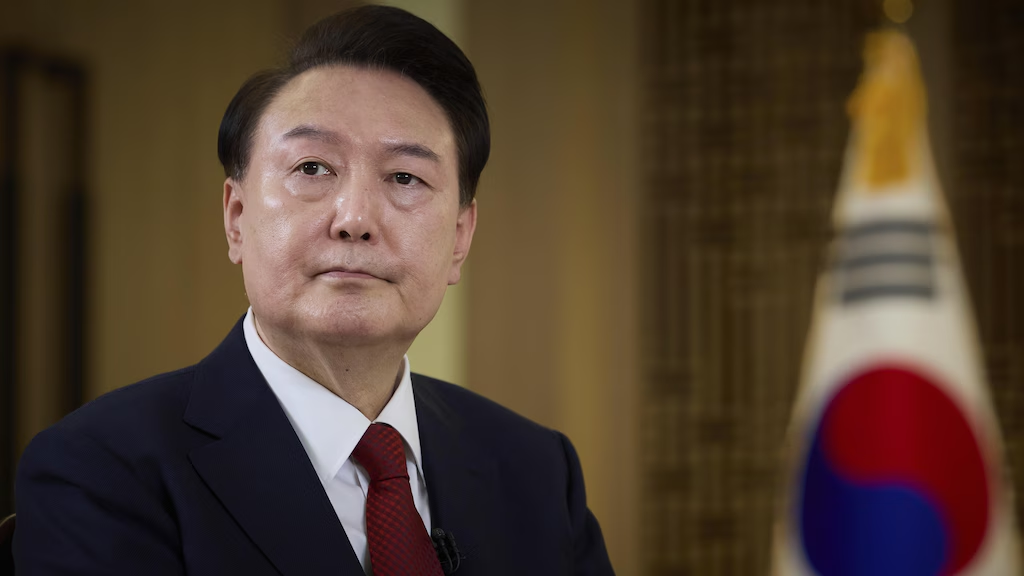
The core problem appears to be a “winner-takes-all, loser-loses-everything” mentality. The immense power concentrated in the presidency, often described as an “imperial” system for its five-year term, creates an environment where political defeat is not just a loss of office but can lead to judicial persecution. Once a leader leaves the Blue House, they often face investigations and prosecutions by their successors. This pattern of retaliatory justice, driven by deep-seated societal grievances often referred to as the “Han” culture of resentment, consumes the political landscape. It turns governance into a high-stakes battle for survival rather than a contest of ideas, eroding public trust in national institutions.
This dynamic is not about the personal failings of individual leaders but a systemic flaw. The prosecutorial system itself holds tremendous power and has repeatedly been used as a weapon in political warfare. The former president, once a famed “iron prosecutor” who jailed his predecessors, now finds himself using the same courtroom to plead for his life, claiming powerlessness. This irony underscores the tragic nature of the system.
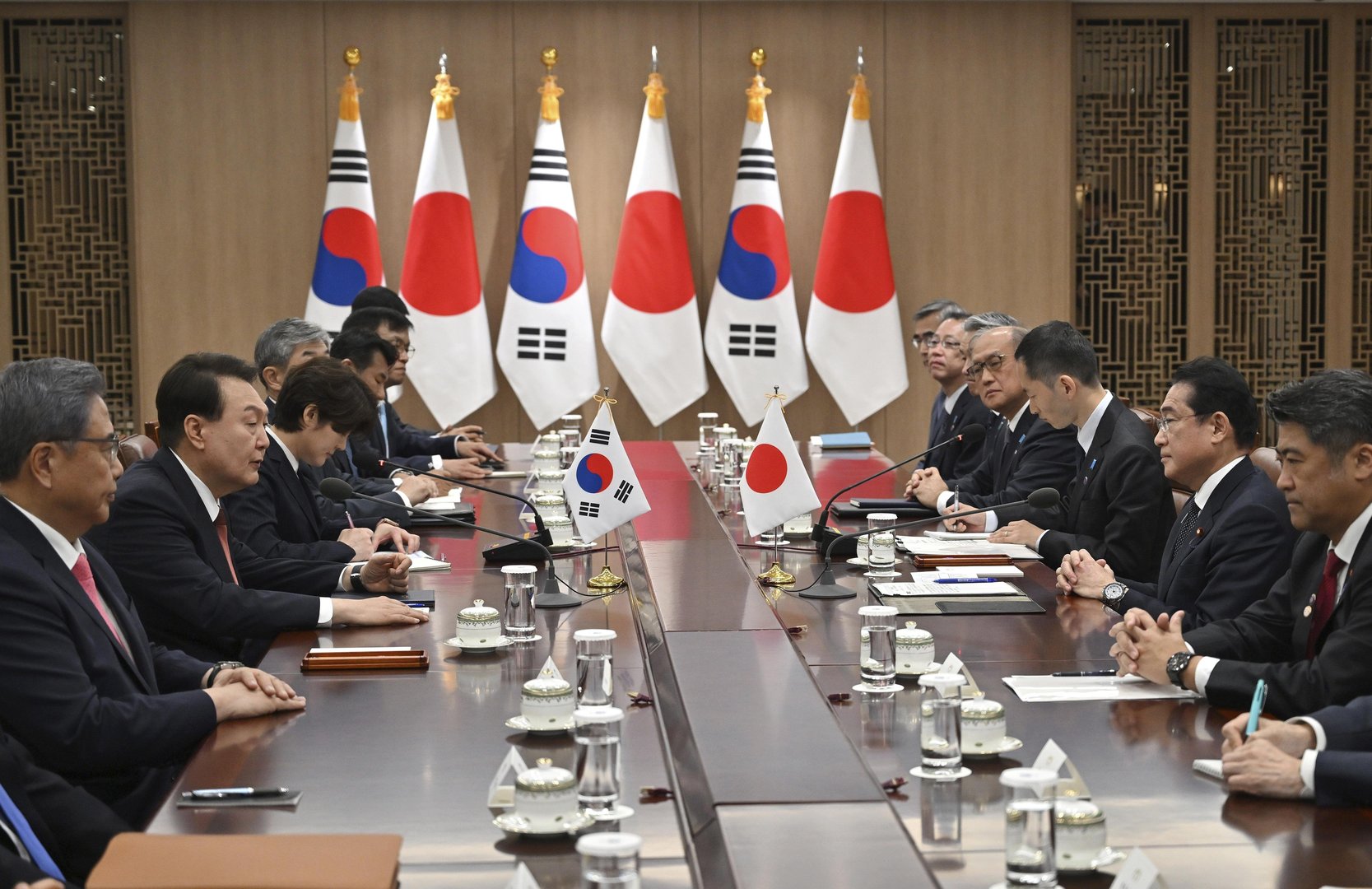
The external pressures on South Korea add another layer of complexity. Navigating the geopolitical tensions between major powers requires a delicate balance. The previous administration’s perceived alignment with one side contributed to domestic polarization. The current leadership’s international engagements, including with historical rivals, seem to be an attempt to walk a diplomatic tightrope, signaling reliability to allies while avoiding the pitfalls of the past. However, maintaining this balance amidst regional security threats and global fragmentation is an immense challenge.
The immediate legal battle will be long, with appeals likely stretching for years. Historical precedent suggests the possibility of a pardon later for “national unity,” but that would not erase the historical stigma. The real casualty is the nation’s political stability. The deep societal rift between progressive and conservative factions, inflamed by such dramatic trials, threatens to spill over into constant street protests and further polarization.
The fundamental question remains: when will South Korea break free from this destructive cycle? The nation has achieved remarkable economic and cultural success, yet its political arena remains a brutal arena where today’s victor can become tomorrow’s defendant. Until the rules of the game change—moving towards greater checks on power and a political culture that accepts peaceful alternation of power—this tragic script will likely see new actors playing the same doomed roles.