There’s a common narrative in Western media whenever protests flare up in Iran: the regime is on the brink, and its fall would be a massive blow to China. The logic goes that China is heavily dependent on cheap Iranian oil, so any disruption would leave China scrambling and paying a much higher price. But is that the full picture? Let’s break down what might actually happen, looking beyond just the oil price tag.
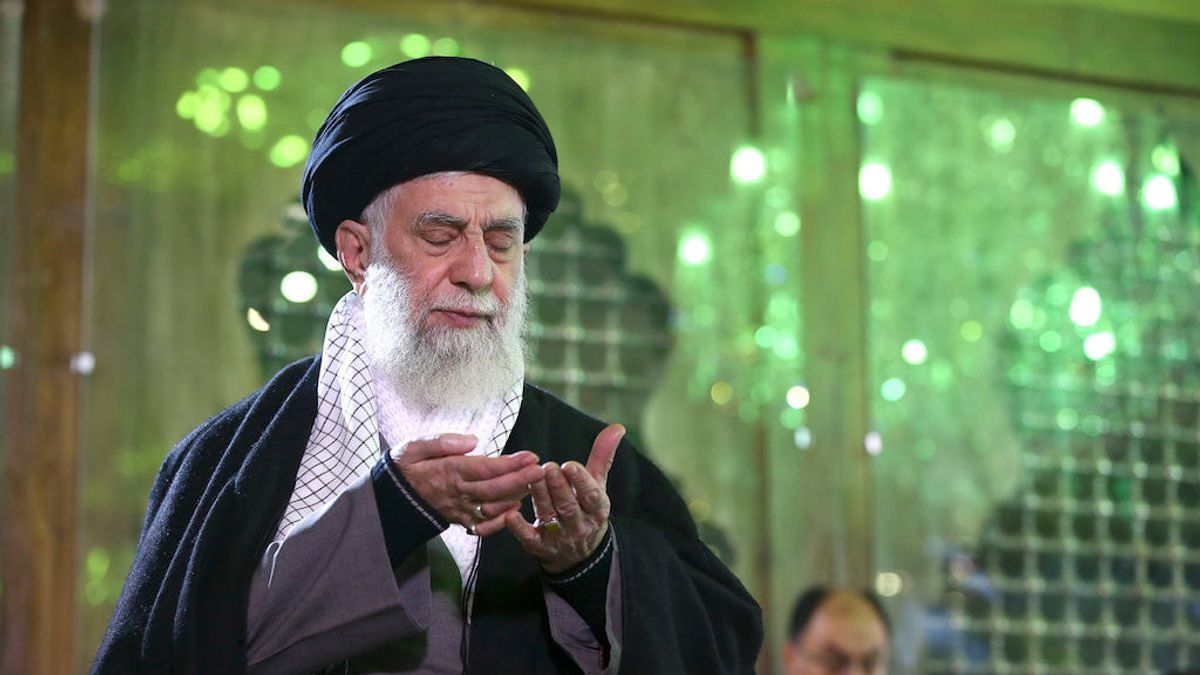
First, the global oil market isn’t a static, closed system. If Iranian exports to China were suddenly cut off, China would need to source oil elsewhere on the global market. This increased demand would push prices up for everyone. Some experts suggest a major Middle East disruption could send prices soaring past $200 a barrel, pushing global inflation up significantly. The real challenge then becomes: which economies are resilient enough to handle that inflation? It’s not just about a few Chinese refineries losing profit margins; it’s a stress test for every nation’s economic stability.
The idea that China is uniquely vulnerable is outdated. China’s dependence on oil has been decreasing for years. The amount of oil needed to produce a unit of GDP has been cut by nearly half since 2007. With electric vehicles now making up over half of new car sales and renewable energy capacity breaking records yearly, China’s energy mix is diversifying fast. Furthermore, China holds massive strategic reserves—not just of oil, but of key commodities like copper, aluminum, and grains. Its state-led economic tools allow for price controls and prioritized fuel allocation in a crisis, tools that market-driven Western economies largely lack.
Second, focusing only on China’s oil import costs misses the bigger picture of global supply chains. China is the world’s leading exporter of intermediate goods (parts and materials) and capital goods (machinery). If its manufacturing costs rise due to higher oil prices, a significant portion of that increase gets passed up the chain to foreign manufacturers and, ultimately, consumers in countries like the US. The US could face a double hit: first from direct oil price inflation, and second from more expensive Chinese imports. China, embedded deeply in global production networks, could partially offset the shock.
Finally, there’s the financial dimension. Using sanctions or force to resolve an Iran crisis reinforces that energy and finance are political weapons. This accelerates the global shift away from dollar dependence for trade. Meanwhile, soaring inflation would wreak havoc on the US Treasury market, forcing the Federal Reserve into a terrible choice: raise rates and risk a bond market crash, or hold rates and watch the dollar’s credibility erode. China, with its domestically held sovereign debt, avoids this particular trap.
In short, a major crisis stemming from Iran wouldn’t be an isolated problem for China. It would trigger a complex global chain reaction affecting energy, supply chains, and finance. In such a scenario, the country with greater strategic reserves, more policy tools, and a more diversified energy base might prove to be the more resilient one. The outcome might not be as simple or favorable as some narratives suggest.