Recent discussions have centered on Japan’s deployment of mid-range air defense systems on Yonaguni Island, located merely 110 kilometers from Taiwan. This move is perceived as highly targeted, aimed at countering potential Chinese military actions in the Taiwan Strait. The systems could threaten mainland aircraft and assist in Taiwan’s air defense, such as intercepting cruise missiles. This is seen as part of a broader pattern of Japan’s incremental military expansion, potentially leading to the introduction of more offensive missile systems on islands within the so-called “first island chain,” including the Ryukyu Islands (often referred to as Okinawa). Japan’s rapid development and acquisition of long-range strike capabilities, like Tomahawk cruise missiles and extended-range anti-ship missiles, further highlight a strategic focus on countering Chinese power projection into the Western Pacific.
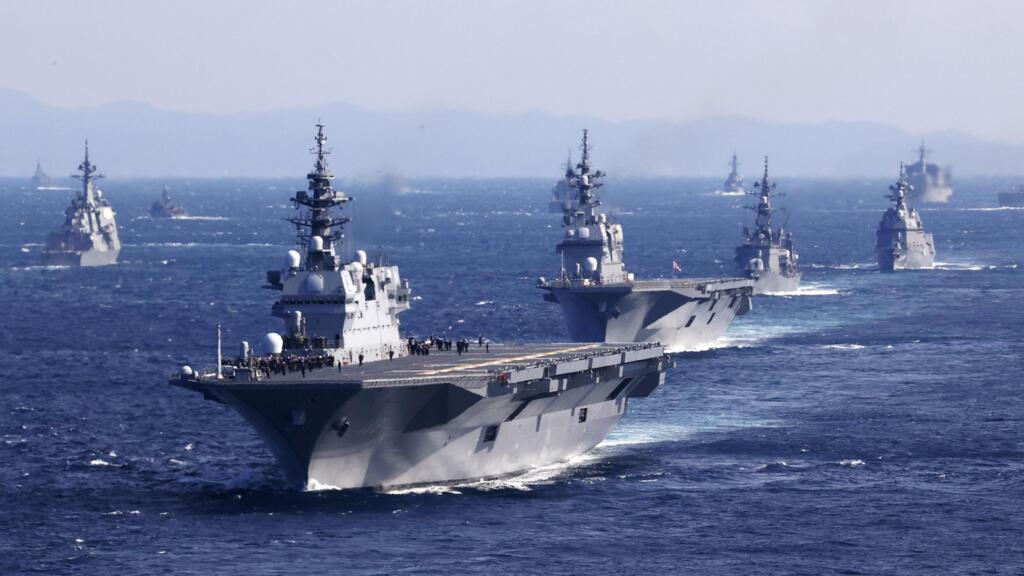
This situation has reignited the historical and legal debate over the status of the Ryukyu Islands. Arguments are made that Japan’s sovereignty over these islands is not absolute, based on post-WWII settlements like the Cairo Declaration and Potsdam Proclamation. Some voices advocate for China to formally challenge Japan’s sovereignty there, promote the use of “Ryukyu Islands” over “Okinawa,” and support the right to self-determination for the islands’ indigenous people. This is framed not just as a territorial issue but as a countermeasure to Japan’s military deployments on what is argued to be disputed territory, constituting a violation of Japan’s post-surrender commitments.
The role of the United States is critically examined. While the U.S.-Japan security alliance underpins these regional dynamics, the relationship is complex. The U.S. is seen as using Japan as a proxy to contain China, yet also harboring deep historical distrust from events like Pearl Harbor. This leads to a U.S. policy of simultaneously empowering and restraining Japan, preventing it from becoming a fully “normalized” military power to avoid future threats to American interests. The core question becomes: Would the U.S. be willing to risk a major conflict with China over Taiwan, essentially to defend Japan? Many doubt the U.S. has the national will for such a sacrifice.
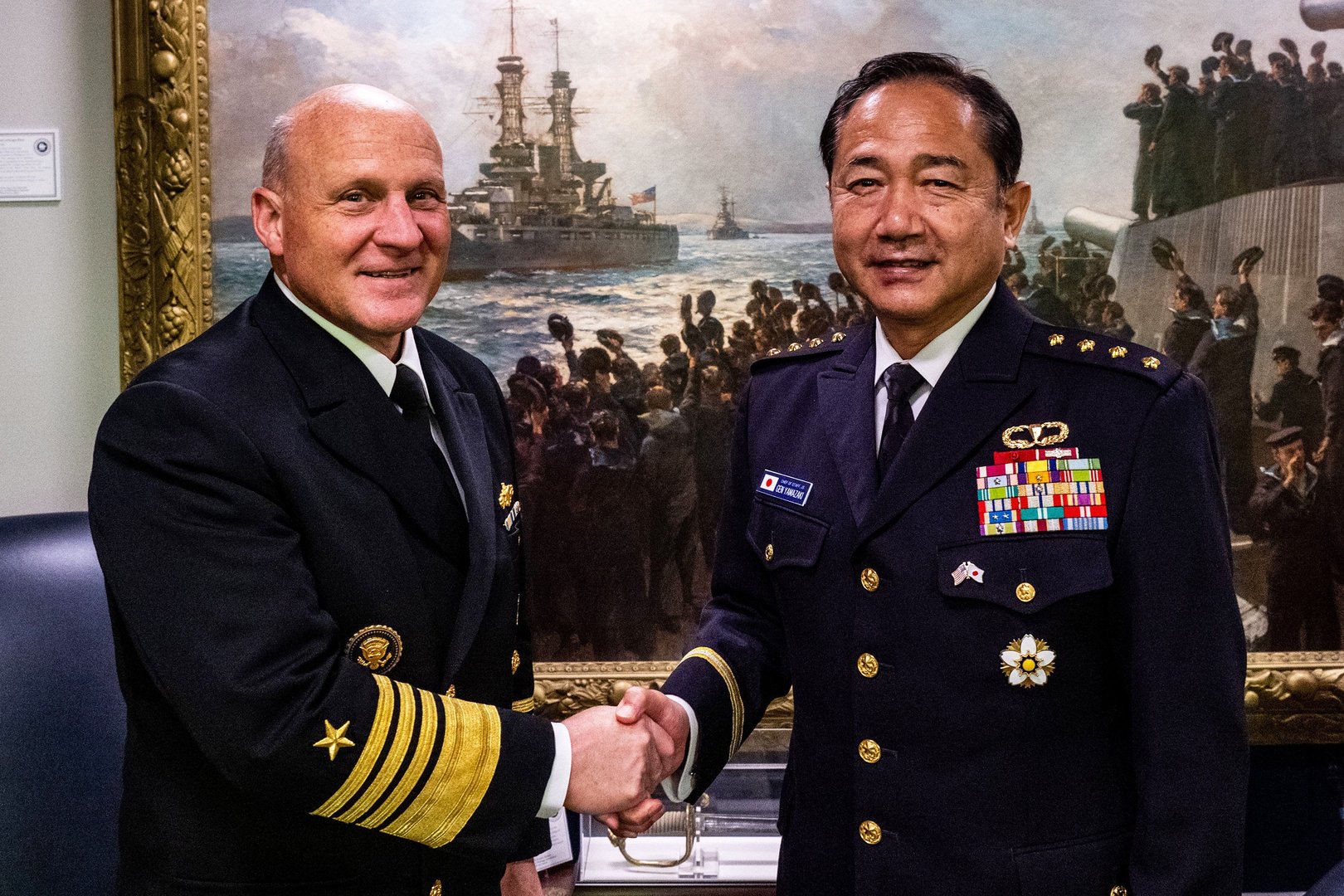
Ultimately, beyond necessary diplomatic protests and countermeasures, the key strategic focus should be on sober analysis. This includes understanding Japan’s true intentions and the likelihood of its intervention in a Taiwan conflict, calculating the potential increased cost to Chinese unification, and exploring ways to minimize those costs. Japan’s domestic political calculations, particularly the economic fallout from deteriorating relations with its largest trade partner, China, are also crucial factors that will constrain its actions. The situation demands strategic patience and a clear-eyed assessment of all actors’ motivations and red lines.