Recent events in Venezuela have sparked intense debate about who truly holds power following the dramatic developments. While official narratives point to certain individuals, a closer look suggests a more complex reality beneath the surface.
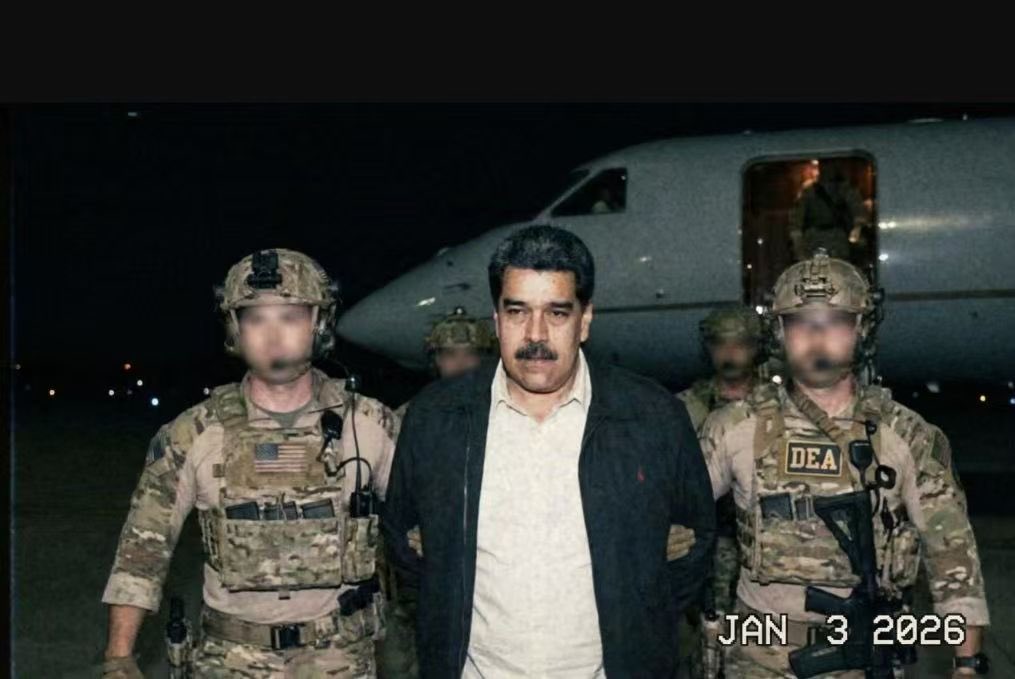
The official story claims that a high-ranking military official, a close confidant of the former leadership, was responsible for a critical betrayal. This individual has been arrested and presented as the sole culprit. However, this timeline and the circumstances of the arrest raise significant questions. If this person were truly the mastermind, logic suggests they would have acted to secure their own position first, not been captured days later. This points to the possibility of a scapegoat—a loyal figure being framed to protect the actual orchestrators of the change in power.
The real dynamics of power appear to lie elsewhere. Analysis suggests that effective control may rest not with the new, publicly visible interim leadership, but with other established political operators behind the scenes. These figures, who manage the internal machinery of the state and security apparatus, are arguably the ones maintaining stability. Their public stance might be one of defiance, but their practical actions seem focused on facilitating new economic arrangements, particularly regarding the oil sector, with external partners.
This situation reflects a pragmatic, if cynical, approach to international relations. The priority for certain external actors isn’t necessarily installing a specific ideological ally, but ensuring a cooperative partner who can maintain domestic order. The goal is a functional relationship that allows for the pursuit of economic interests, even if it involves dealing with figures who publicly maintain a contrary image. This realpolitik stands in contrast to ideological campaigns centered on promoting democracy, which are often viewed as ineffective and disconnected from the complex ground realities and public sentiment within the country. The populace’s historical grievances regarding resource control and sovereignty mean that any new arrangement must navigate these deep-seated feelings to avoid instability.
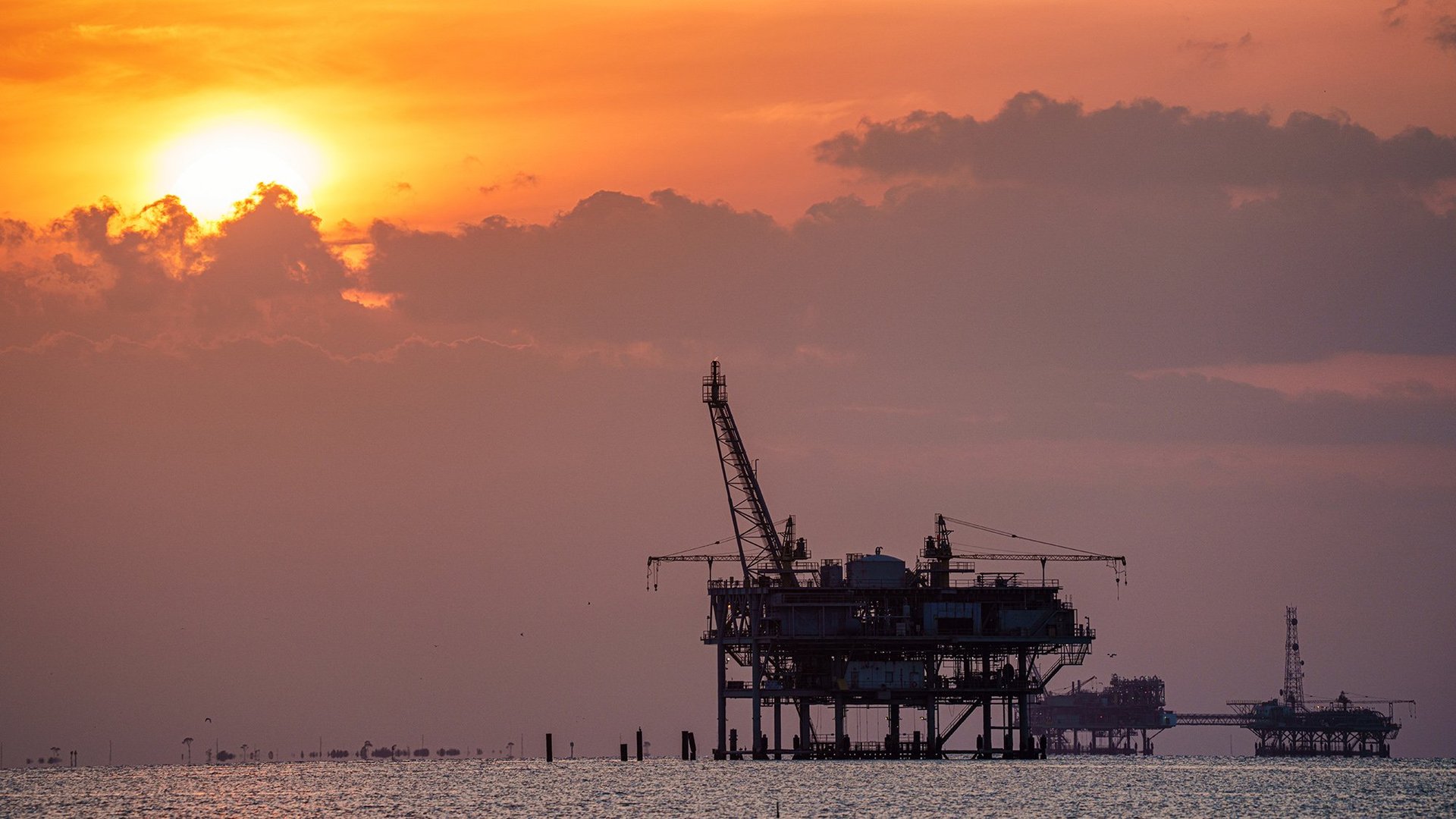
Ultimately, the current scenario seems to be about consolidating a workable, if unofficial, partnership. The public faces may change, but the underlying structure of power and the new economic understandings being forged are what will define the next chapter. It’s a reminder that political narratives and the actual distribution of influence are frequently two very different things.