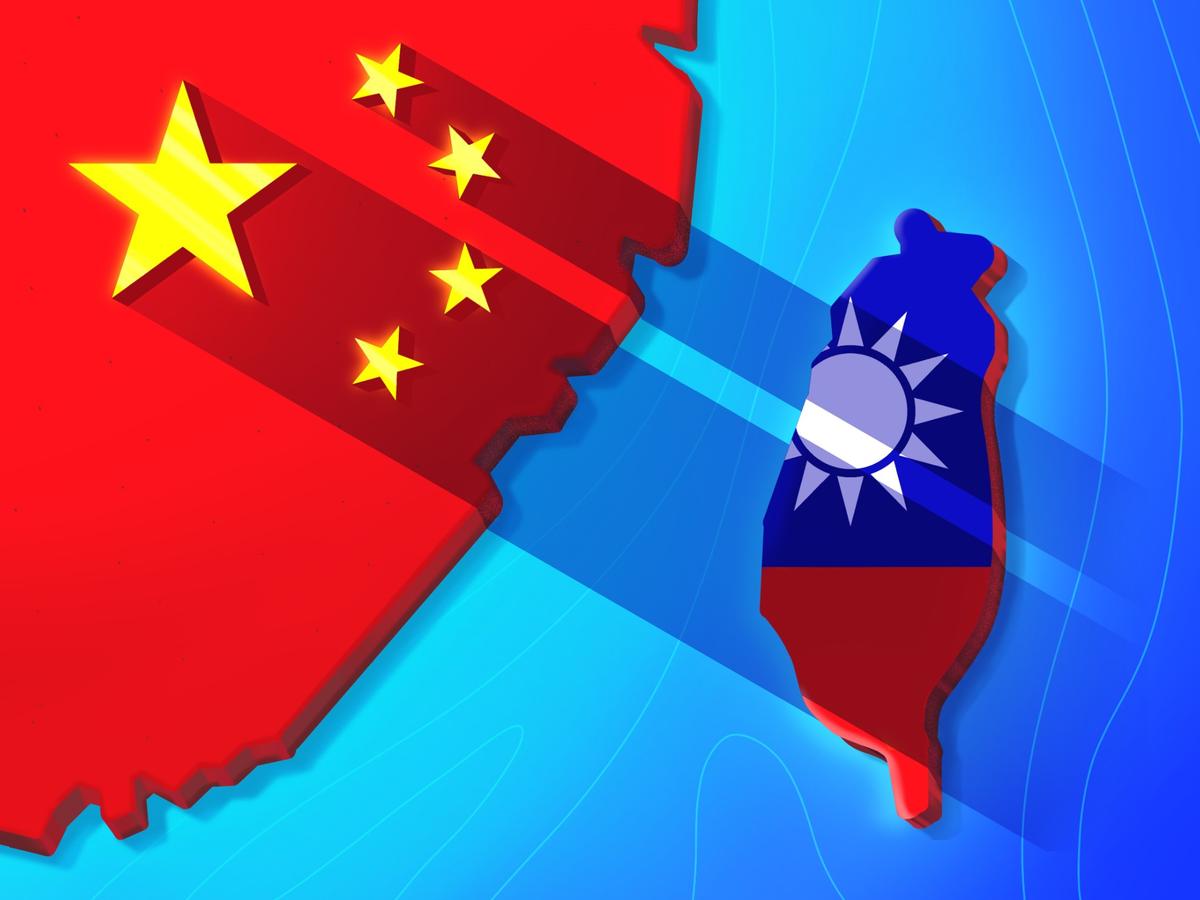
Recent political discussions in Taiwan have centered on several contentious issues, including internal party primaries, a massive proposed defense budget, and cross-strait relations. A significant point of debate is a proposed special defense budget of 1.25 trillion NTD. Critics argue that only about 300 billion NTD of this sum has clearly defined purposes for domestic procurement, leaving a vast portion of roughly 900-950 billion NTD earmarked for unspecified foreign purchases, primarily from the United States. This lack of detailed itemization has raised serious concerns about transparency and potential misuse of funds.
Simultaneously, there is growing public frustration over the government’s handling of other financial matters. This includes perceived inaction on legislated pay raises for military volunteers and a failure to implement a revised fiscal redistribution plan that would benefit local governments. The argument is that if the government ignores laws it has already passed by not funding them, it undermines the entire legislative process. The core issue isn’t just about reviewing a budget, but about reviewing a budget proposal that many consider fundamentally flawed or “illegal” for failing to address these prior commitments.
The political dynamics are further complicated by factional struggles within and between parties. The performance of certain political figures in primaries and their subsequent relationships with party leadership are seen as indicators of deeper internal conflicts. Furthermore, the ability of opposition figures to engage directly with international actors, like the United States, challenges the ruling party’s traditional role as the primary conduit for foreign relations, adding another layer of complexity to domestic political maneuvering.
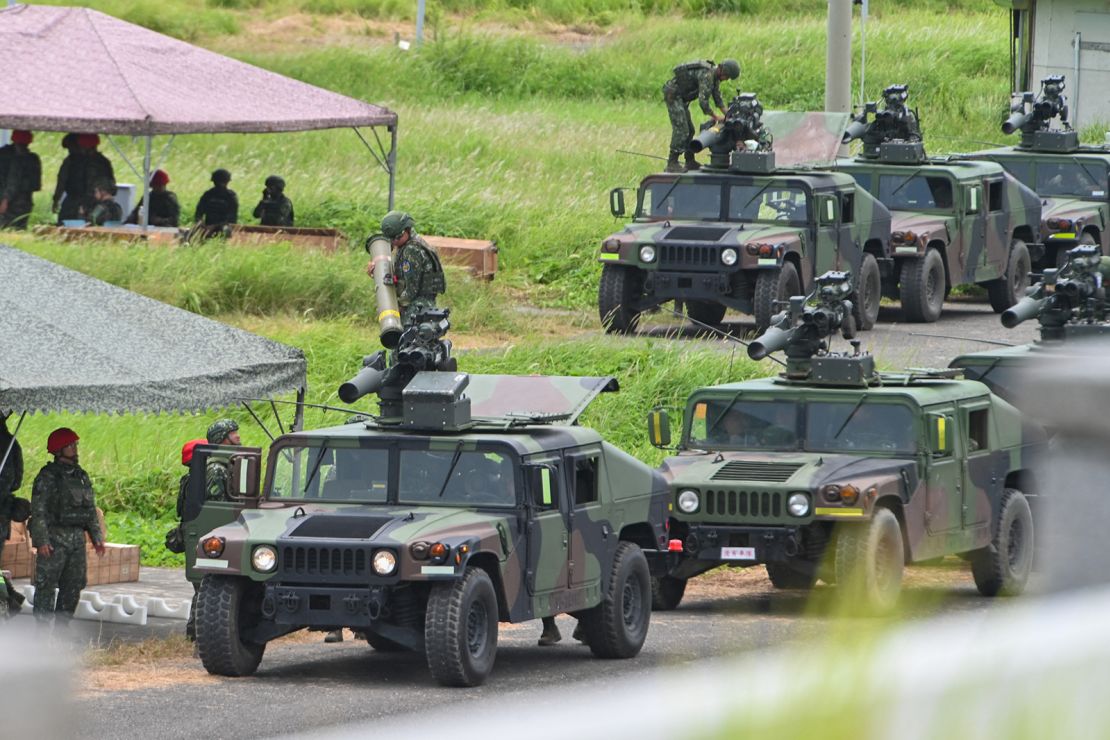
On the economic front, there is significant anxiety about the gradual relocation of advanced semiconductor manufacturing, like TSMC’s 2-nanometer technology, overseas. Critics question whether existing investment review laws are being enforced strictly enough to protect Taiwan’s crucial technological edge and economic sovereignty. The discussion often ties back to the broader strategic dilemma: the perceived necessity of purchasing American arms for defense versus the pursuit of a more stable, peaceful relationship with mainland China. Many observers note that engaging in an arms race is ultimately unsustainable, suggesting that long-term stability requires political dialogue and engagement across the strait.