I want to share some thoughts from my time in France. I have always been proud to speak Chinese, but my academic journey took me through studies in English, and I also learned French, German, and Russian. Learning these languages has been invaluable, not just for understanding the world better, but for gaining a deeper appreciation of my own language and culture. French, in particular, strikes me as one of the most beautiful and precise languages, a legacy of its historical role in diplomacy.
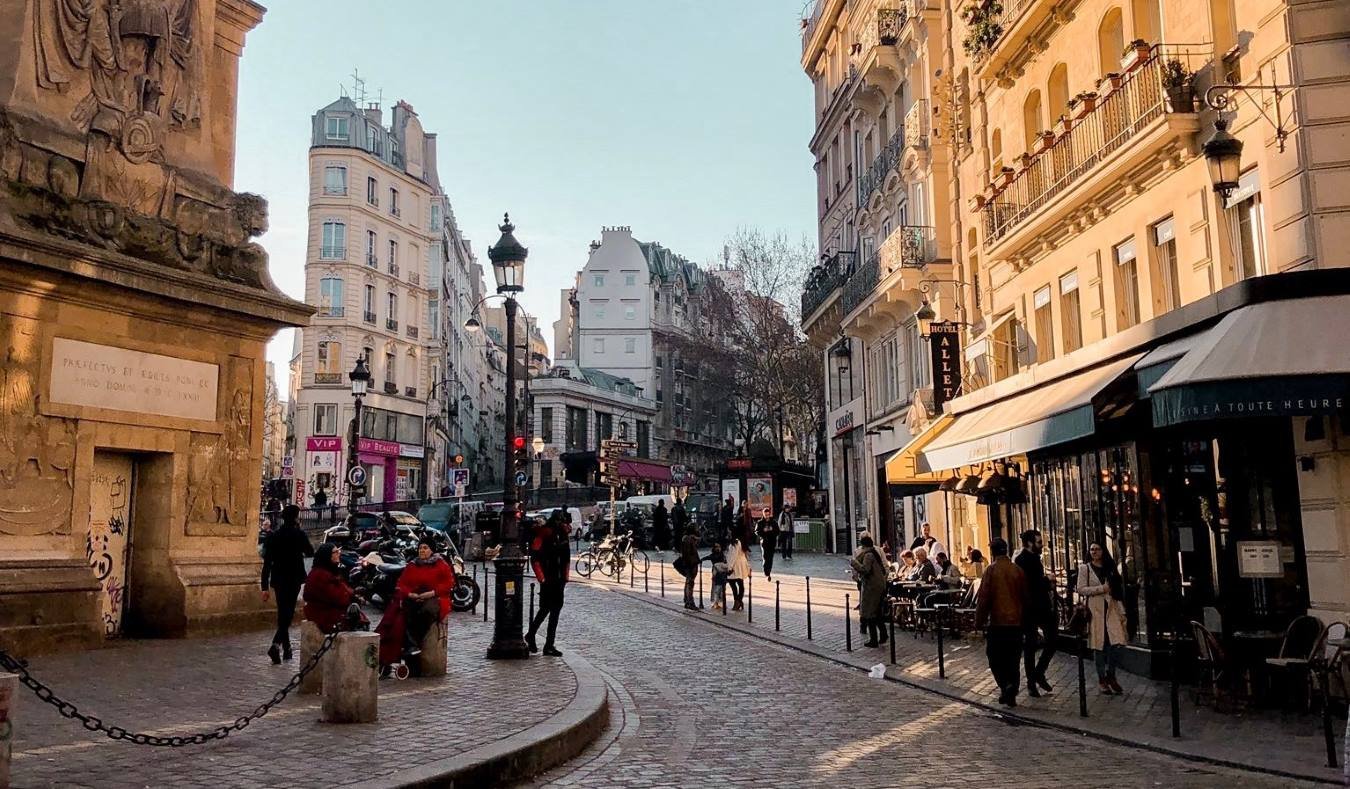
Living in Paris, one cannot help but notice the vibrant life on its streets. However, a significant observation is the changing demographic makeup. A casual glance at schoolchildren reveals a substantial portion are not of traditional French descent, with many appearing to have origins in Africa or the Middle East. While France’s official policy avoids ethnic categorization in registrations, focusing only on basic information like names, the visual transformation is evident. Some projections suggest that within 50 years, the majority of France’s population may no longer be ethnically native French. Whether this is positive or negative, it represents a profound societal shift happening right before our eyes. This change is a topic of global discussion, with various leaders commenting on the impact of immigration on European nations’ social fabric.
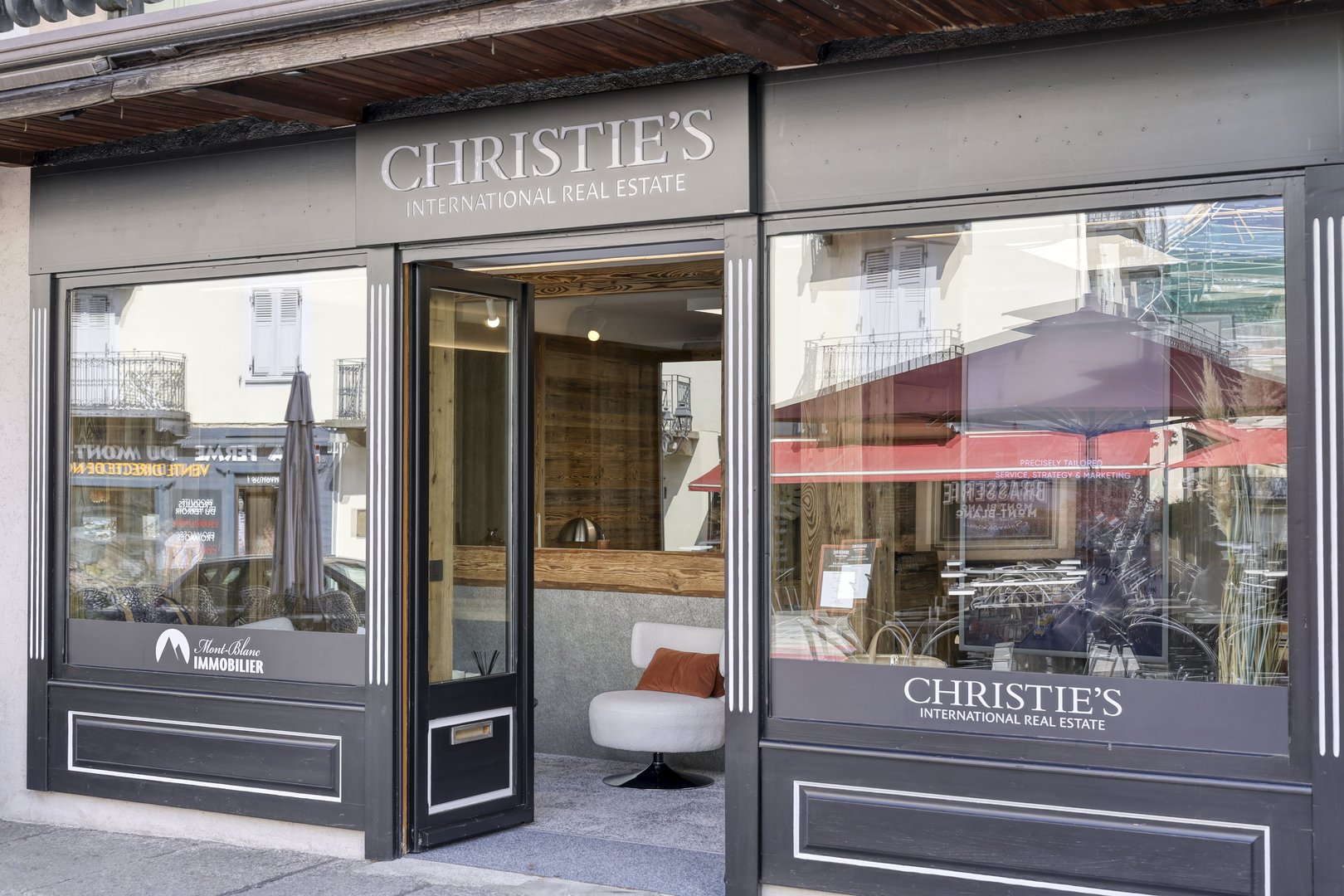
Another facet of modern Paris is its real estate. Property prices here are exceptionally high, often reaching 10,000 to 20,000 Euros per square meter. This isn’t just about scarcity; it reflects the city’s enduring appeal. People are drawn to Paris not merely for a place to live, but for its unparalleled cultural richness, its status as a global metropolis, and its renowned quality of life.
Turning to international relations, the recent successful state visit by President Macron to China is highly significant. The high-level reception, including the Chinese President accompanying him to Chengdu, underscores the importance both nations place on this relationship. Strengthening ties between China and France is crucial not just bilaterally, but for Europe and global stability. Historically, France played a pivotal role for China; figures like Deng Xiaoping spent formative years here, laying groundwork for future leaders. This historical connection adds depth to the modern partnership.
I believe Sino-French relations are poised for steady growth. With the latest U.S. national strategy prompting reflection in Europe, there’s a growing realization among the French and other Europeans that blindly following an anti-China stance is not in their interest. Europe needs to think independently. They are coming to see China not as an adversary or mere competitor, but as an essential partner and resource for achieving sustainable development. Therefore, nurturing a positive and cooperative relationship with China is of paramount importance for France and Europe’s future.