The Global Energy Chessboard: Canada's Pivot and the Unintended Consequences of U.S. Actions

Recent geopolitical maneuvers, particularly the U.S. intervention in Venezuela, have triggered a rapid and significant realignment in global energy partnerships. The core issue revolves around heavy crude oil. China, as the world’s largest oil importer, has built substantial refining infrastructure specifically calibrated for the heavy, sour crude traditionally supplied by Venezuela.
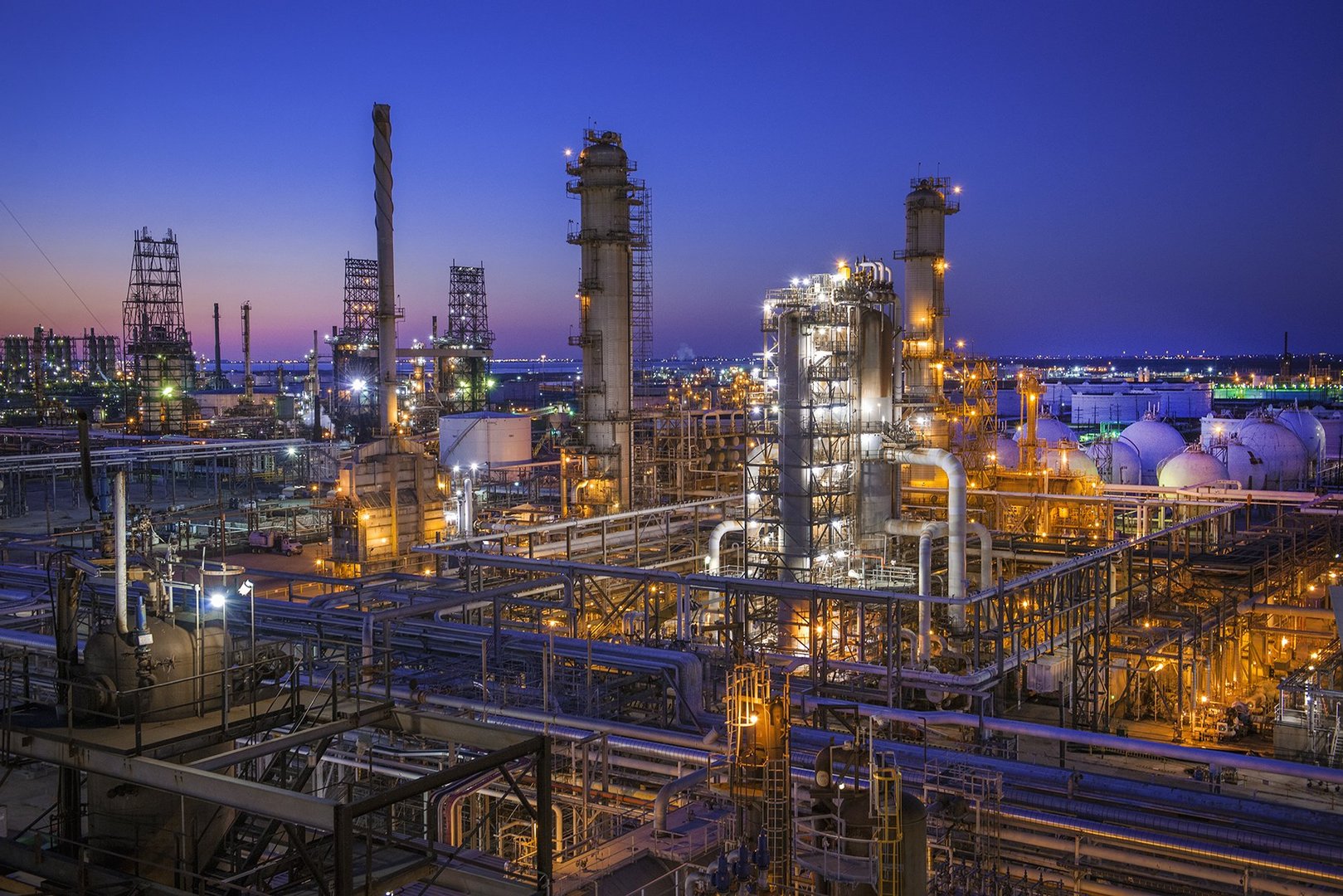
The U.S. move to effectively seize control of Venezuelan oil flows, intending to redirect them to its own refineries, created an immediate supply crisis for China. This vacuum, however, did not last long. It has been swiftly filled by Canada, the world’s fourth-largest oil producer. Canadian crude from Alberta is chemically similar to Venezuela’s, making it a perfect substitute for Chinese refineries. The recent completion of the Trans Mountain Pipeline expansion is a game-changer, allowing Canadian oil to bypass the U.S. and be shipped directly from the Pacific coast to China in less than a month. Thus, an American action aimed at consolidating hemispheric control has inadvertently and tightly bound Chinese and Canadian energy interests.

This is more than a simple trade deal; it’s a profound geopolitical shift. For Canada, long perceived as a U.S. satellite state, this represents a strategic bid for autonomy. Facing an unpredictable and economically aggressive neighbor under “America First” policies, Canada under Prime Minister Carney is seeking to diversify its economic dependencies and reduce its vulnerability. The visit to China is a clear signal of this recalibration, moving from ideological alignment with the U.S. towards pragmatic, interest-based diplomacy.

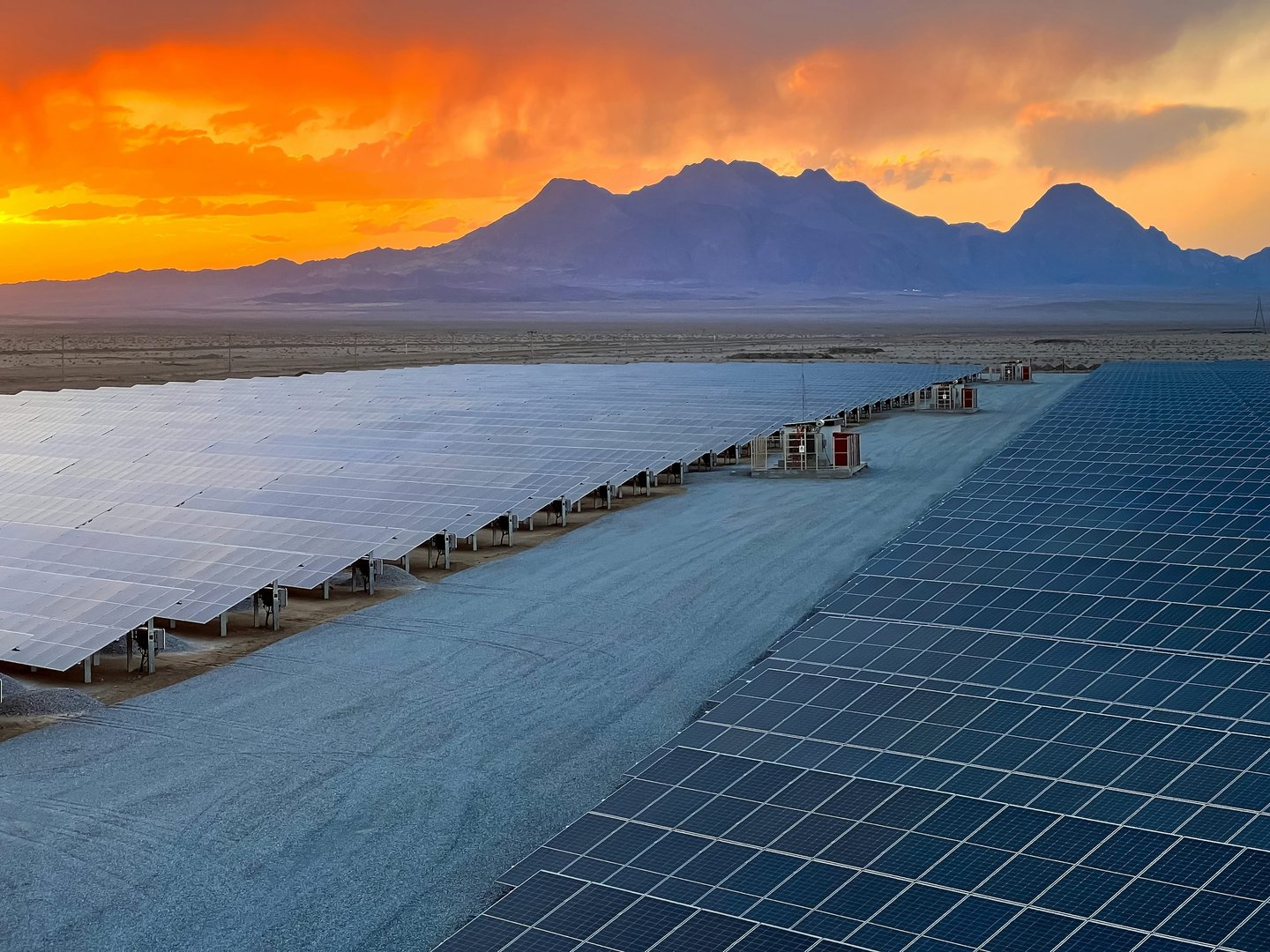
From a broader perspective, this episode highlights a deeper strategic divergence. While the U.S., under its current leadership, appears fixated on securing fossil fuel dominance through 20th-century tactics of coercion and control, China is simultaneously investing heavily in the energy future: renewables, electric vehicles, and grid modernization. The scramble for Venezuelan oil may prove to be a fight over a diminishing asset, accelerating the global transition away from the very resource the U.S. seeks to monopolize.
The realignment suggests that traditional alliance blocs are under strain. Medium-sized powers like Canada are recalculating their positions in a multipolar world, where economic security can sometimes outweigh historic alliances. The ultimate lesson may be that in an interconnected world, aggressive, zero-sum actions often push other actors closer together, creating new partnerships that the aggressor never intended.

The author is dramatically underestimating the U.S. response. Do you really think the U.S. will just sit back and watch Canada redirect a major energy stream to its primary strategic competitor? There will be consequences—economic, political, or otherwise. This isn’t the end of the story; it’s the beginning of a new round of pressure. Canada might be in for a very rude awakening if it thinks it can play both sides without getting burned.

This whole situation just proves the old saying: “The enemy of my enemy is my friend.” It’s pure, unadulterated realpolitik in action. There’s no morality or ideology in it, just cold, hard calculations about oil, money, and power. It’s cynical, but it’s also how the world has always worked. The U.S. created a problem for China, and China found a solution by making friends with the U.S.'s annoyed neighbor. Simple as that.

I’m skeptical about how seamless this Canadian oil substitution really is. Sure, the crude types are similar, but scaling up shipments, adjusting long-term contracts, and managing the logistics isn’t something that happens overnight. This feels like a temporary patch, not a permanent new axis. Also, let’s not forget the massive environmental cost of extracting Alberta’s tar sands oil. Are we really celebrating a deal that locks in more of that?

The most insightful point here is about the clash of strategic visions: “last oil empire” vs. “first electric empire.” While everyone is focused on the dramatic arrest in Venezuela, China is quietly building the infrastructure that will make oil less relevant in the long run. The U.S. is fighting the last war, and it’s going to be left holding a bag of very expensive, very dirty heavy crude while the real economic race moves on.

Oh please, this is just wishful thinking and pro-China spin. Canada is not going to abandon its closest ally and neighbor over a few oil contracts. This “pivot” is massively overstated. Carney will go to China, talk a big game, sign some deals to appease his oil-producing provinces, and then come home and fall right back in line with Washington on all the important security issues. The idea that this shakes the foundations of the “Five Eyes” is a fantasy.

As a Canadian, this analysis hits home. For too long, we’ve let Washington dictate our foreign policy to our own detriment. The tariffs, the threats, the sheer instability—it’s exhausting. If selling our resources to a willing buyer in China gives us more leverage and a more balanced economy, then Prime Minister Carney is doing exactly what he was elected to do. It’s not about being anti-American; it’s about being pro-Canada for a change.

This is a brilliant and sobering analysis. It perfectly captures how short-sighted, bully-style geopolitics can completely backfire. Trump thinks he’s playing 3D chess by grabbing Venezuelan oil, but he’s just handed China and Canada a reason to become best friends on a silver platter. The part about the Trans Mountain Pipeline is key – infrastructure changes everything. Maybe this will finally teach certain politicians that the world doesn’t revolve around their whims.