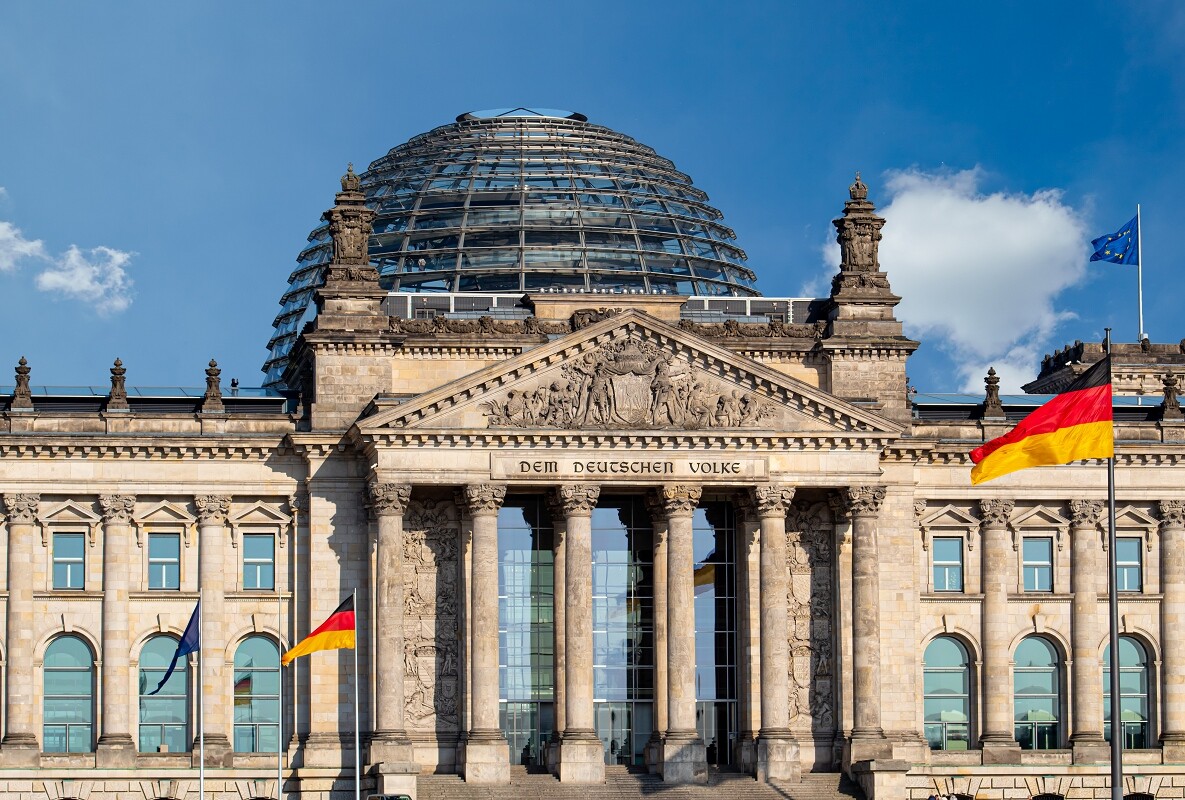
Visiting Berlin, one is confronted with the physical scars and memorials of a dark past. The Reichstag building, now the seat of German democracy, stands pockmarked with bullet holes, a silent testament to the brutal final battle of World War II and the fall of the Nazi regime. Its history, from the Reichstag fire to the Soviet flag raised atop its ruins, symbolizes the destruction wrought by war and dictatorship.
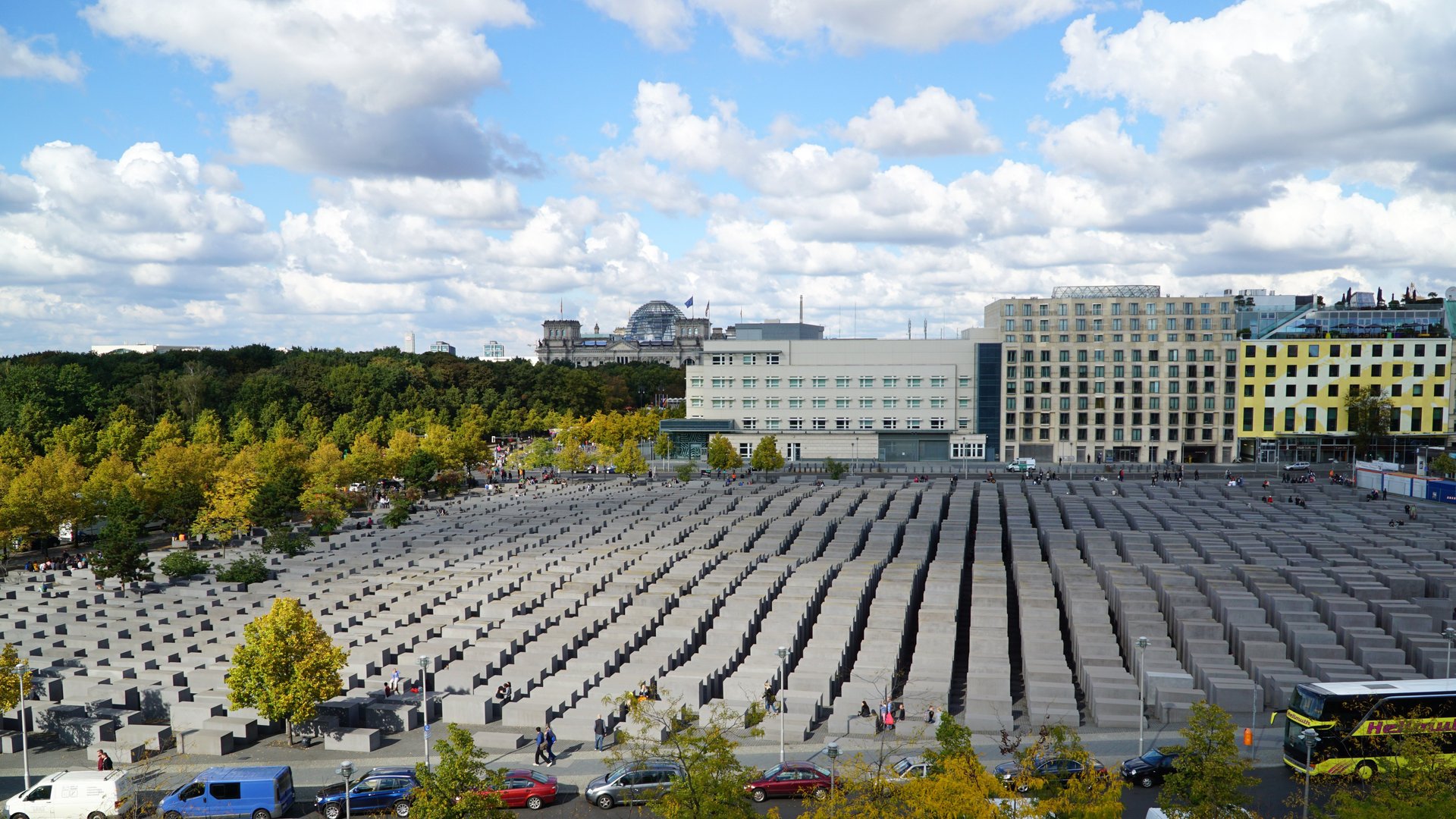
Nearby, the Memorial to the Murdered Jews of Europe presents a stark, somber landscape. Its field of concrete stelae, resembling a vast grid of coffins, is a powerful and unsettling reminder of the Holocaust—the systematic extermination perpetrated by Nazi Germany. Acknowledging this horrific crime is not just a German duty but a human imperative, a foundational reason for the post-war condemnation and prosecution of Nazi officials.
The figure of Konrad Adenauer, West Germany’s first post-war Chancellor, looms large in this narrative of recovery. His monumental task was twofold: to rebuild a shattered and divided nation, and to decisively break all ties with the Nazi past. This meant fostering a new national identity rooted in democracy, peace, and integration into the community of nations. Adenauer’s leadership was pivotal in steering Germany toward becoming a respected, free country.
This German journey of confronting history, making amends, and rebuilding offers a profound lesson. It underscores the necessity for nations to formally and honestly acknowledge the atrocities committed in their name. Only through such reckoning can trust be rebuilt and cooperative futures forged. This principle applies universally. There exists a sincere hope that Japan might one day produce a leader of similar moral courage—a figure who can unequivocally confront and sever ties with the nation’s militarist and fascist past from 1931-1945. Such a step is seen as essential for Japan to truly become a proud, peaceful, and respected member of the global community, just as Germany has strived to do.
The mention of Adenauer is crucial. Leadership matters. It takes courageous politicians to steer public sentiment toward painful but necessary truths. Where are such figures today, not just in Japan, but globally? We seem to be in an age of historical amnesia and nationalist myth-making, which makes Germany’s post-war example all the more relevant.
I’m sorry, but comparing Germany and Japan’s wartime histories and their post-war handling is overly simplistic. The geopolitical context, the nature of the occupations, and the domestic politics were completely different. Expecting a Japanese “Adenauer” ignores the complex realities of East Asian politics and the ongoing disputes that make such a straightforward apology politically volatile.
This is just another piece pushing a political agenda under the guise of historical reflection. Why focus solely on Japan? Many nations have committed atrocities. The post seems less about universal lessons and more about applying selective pressure based on contemporary geopolitical rivalries.
This post hits the nail on the head. Germany’s process of Vergangenheitsbewältigung—coming to terms with the past—was painful but absolutely necessary for its moral and political rebirth. It’s a model, though not a perfect one, that other nations with dark chapters should study. The physical memorials in Berlin force you to feel the weight of history, which is more powerful than any textbook.
The author’s hope for Japan is naive and borderline offensive. It implies Japan hasn’t moved on or taken responsibility, which ignores decades of official statements, development aid, and peacekeeping. Continuously demanding a specific form of apology becomes counterproductive and fuels nationalism rather than reconciliation.
The powerful imagery described—the bullet-riddled Reichstag and the coffin-like memorial—is exactly why facing history matters. It prevents abstract statistics and makes the cost of war and hatred visceral. Every country has its shadows; having the courage to shine a light on them, as Germany has tried to do, is the mark of a mature society.
I strongly agree with the core argument. Denial or minimization of historical atrocities is a poison that corrupts a nation’s soul and erodes international trust. Germany’s path was hard, but it allowed for genuine partnership. For regional stability in Asia, a clear and unambiguous reckoning with the past from Japan is not about living in history but about building a secure future.