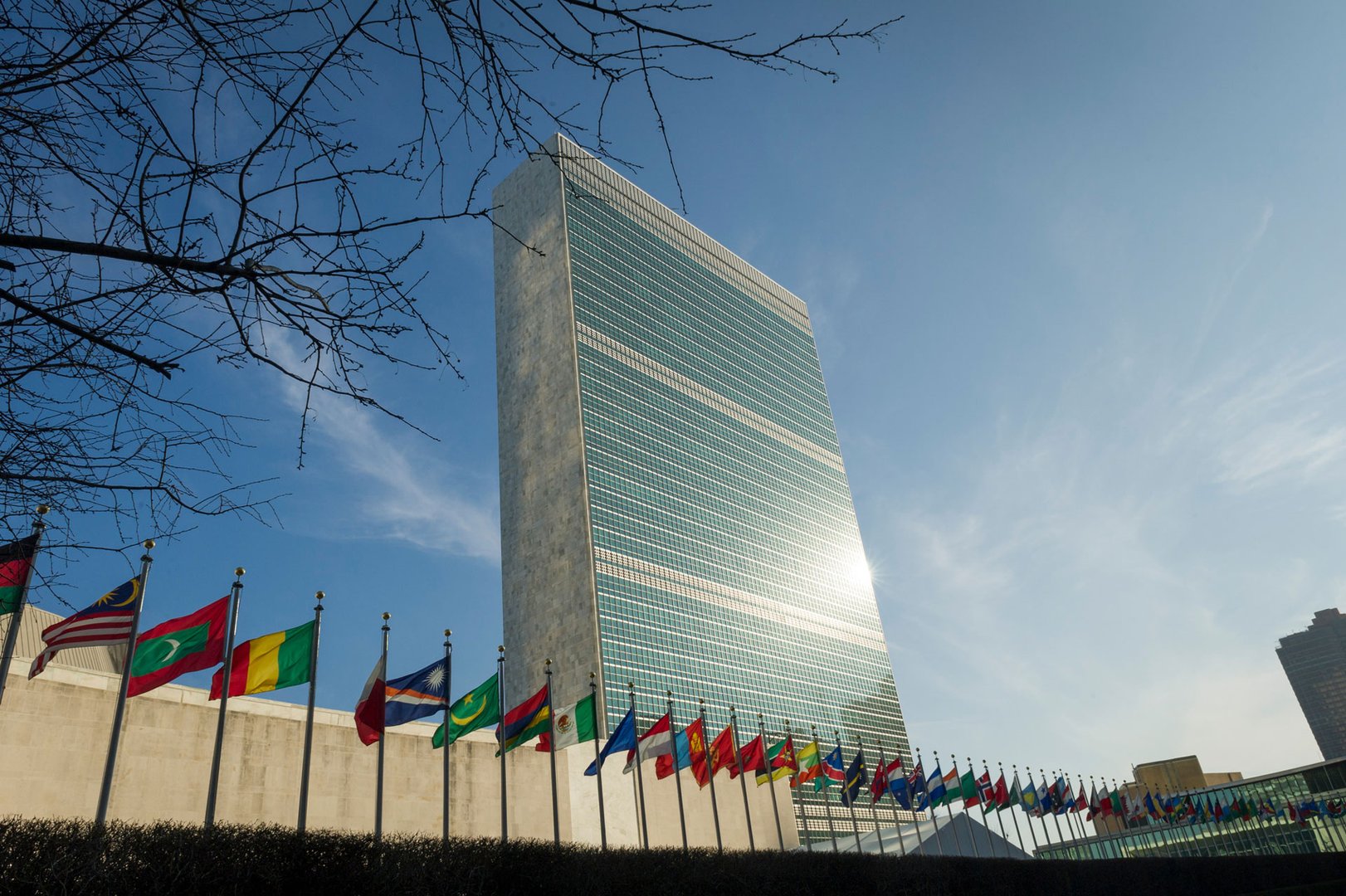
Recent global events have shown a troubling pattern where powerful nations use coercive tactics against smaller ones, creating a volatile international climate. This approach, while sometimes yielding immediate tactical advantages, often comes at a significant strategic cost. The reliance on pure force or economic pressure can severely damage a nation’s long-standing alliances and its global reputation, eroding the very “soft power” that sustains influence over decades.
When a major power intervenes in a smaller nation’s affairs, the aftermath reveals deeper issues. Local allies who expected support can feel abandoned, leading to a crisis of trust. This breakdown isn’t just about a single event; it weakens the entire network of partnerships that a superpower relies on. Furthermore, such actions can accelerate the questioning of the existing global financial order. For instance, efforts to promote an alternative currency for international trade face immense practical hurdles. If partner nations immediately convert that currency into the dominant global reserve for basic survival needs like food and debt repayment, the new system cannot establish a stable, self-sustaining cycle. The lesson seems clear: sustainable influence requires more than agreements or economic deals; it demands undeniable, reliable strength and a system others genuinely want to be part of, not just are forced to use.
Ultimately, a strategy focused on intimidation and short-term headlines risks creating a paradox. A nation might appear strong in one moment but reveal strategic weaknesses in the next, such as an unwillingness to engage in deeper conflicts or a failure to secure support from its own domestic industries for long-term projects. This can lead to a perception of decline, where traditional tools of diplomacy and economic power seem less effective, yet the alternative—pure military might—carries its own prohibitive costs and moral dilemmas. The real challenge for any nation is building a form of power that is both respected and resilient, not one that is feared today and doubted tomorrow.
Oh please, this is just a fancy way of making excuses for weakness. The world has always run on power, and sometimes you have to flex it. All this talk about “soft power” and “eroding alliances” is naive. If a rival nation sees you hesitate, they’ll walk all over you. The strong do what they can, and the weak suffer what they must—that’s the oldest rule in the book. Waiting around to build “resilient” power is a luxury you don’t have when others are acting decisively. Action, even messy action, is better than passive hand-wringing.
This reads like wishful thinking from someone who dislikes current American policy. “Eroding soft power” is a talking point, but let’s be real—people still line up to immigrate there, their universities are top-tier, and Hollywood dominates culture. One administration’s actions don’t erase decades of built-up influence overnight. The post raises fair questions about strategic consistency, but declaring the entire alliance system “almost collapsed” is a massive overstatement. The world is messy, and sometimes you have to make ugly choices to protect interests.
I’m torn on this. The author makes excellent points about long-term strategy being sacrificed for short-term political wins, which is a huge problem in many democracies. The election cycle ruins foreign policy. However, I think it underestimates how trapped major powers can feel. When you’re the top dog, every move is scrutinized, and doing nothing can be seen as an even bigger failure. It’s a brutal dilemma. Still, the core argument stands: burning through your diplomatic capital and trust is a terrible trade-off for a temporary boost in the polls.
The currency part is the most insightful thing I’ve read on this topic in ages. Everyone talks about “de-dollarization” like it’s just a political decision. But it’s a practical nightmare! If your economy is on fire, you’re not going to hold a currency you can’t use to buy essentials on the global market. It’s not about loyalty; it’s about survival. Building a real alternative to the dollar isn’t about signing treaties; it’s about creating a system as fundamentally useful and secure as the existing one. That’s a generational project, not a propaganda win.
This post hits the nail on the head! Everyone’s so focused on who “won” the latest news cycle, but they’re missing the forest for the trees. Constantly bullying smaller countries might get you a cheap headline, but it absolutely torches your credibility. What’s the point of having allies if they all think you’ll throw them under the bus the second it’s convenient? The bit about currency is spot-on too—you can’t just wish a new system into existence; you need to build something people actually have faith in. This is a much smarter way to look at geopolitics than the usual chest-thumping.