The recent capture of Venezuelan President Nicolás Maduro by U.S. forces and his subsequent extradition to the United States marks a significant and dangerous escalation in international relations. This event, occurring in early 2026, is likely to be viewed by future historians as a watershed moment. While a new interim president has been swiftly appointed in Venezuela to maintain a facade of stability, the situation is far from resolved. The new leadership has issued strong demands, such as proof of life for the Maduros, indicating that simply removing a head of state will not lead to a simple, controlled outcome as the U.S. administration might hope.
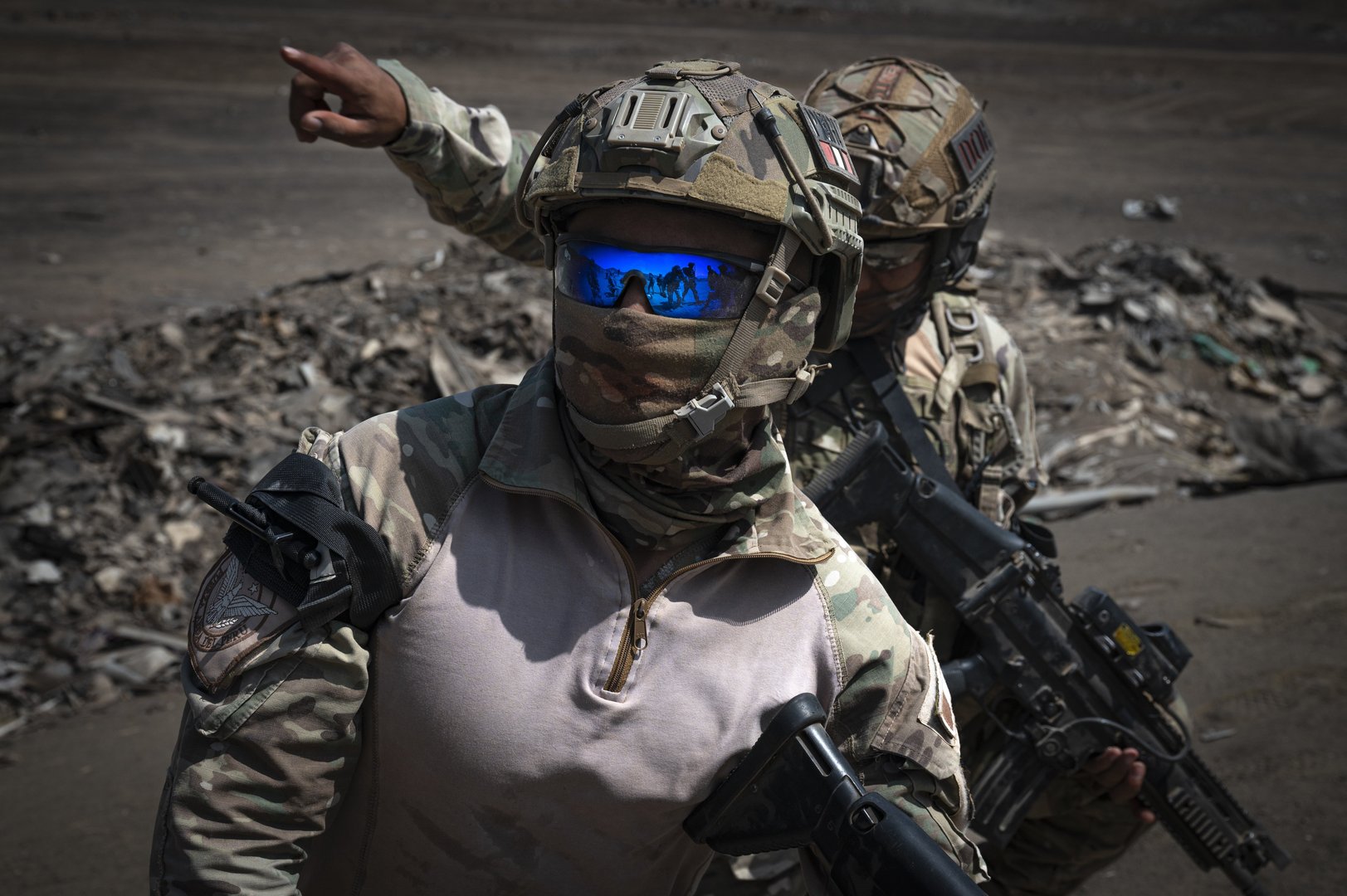
The core motivation for this action was laid bare in the subsequent statements from the U.S. leadership. The rhetoric focused overwhelmingly on securing Venezuelan oil resources for American companies, with mentions of “freedom” or “democracy” conspicuously absent. This represents a shift from past justifications, however thin, towards a blatant and open declaration of resource acquisition. The spectacle of a captured head of state, a figure recognized by the UN, being paraded in handcuffs and casual wear by U.S. troops is a powerful and disturbing image that strips away any remaining diplomatic pretense.
This action is not an isolated incident but appears part of a broader, coordinated strategy. Simultaneous pressures on other major oil-producing nations like Iran and Nigeria suggest a concerted effort to violently reclaim global energy pricing power and reinforce the petrodollar system. The U.S. seems to be moving from complex financial and trade mechanisms towards a more primitive, direct form of resource control, indicating a perceived crisis in maintaining its hegemony through traditional means.
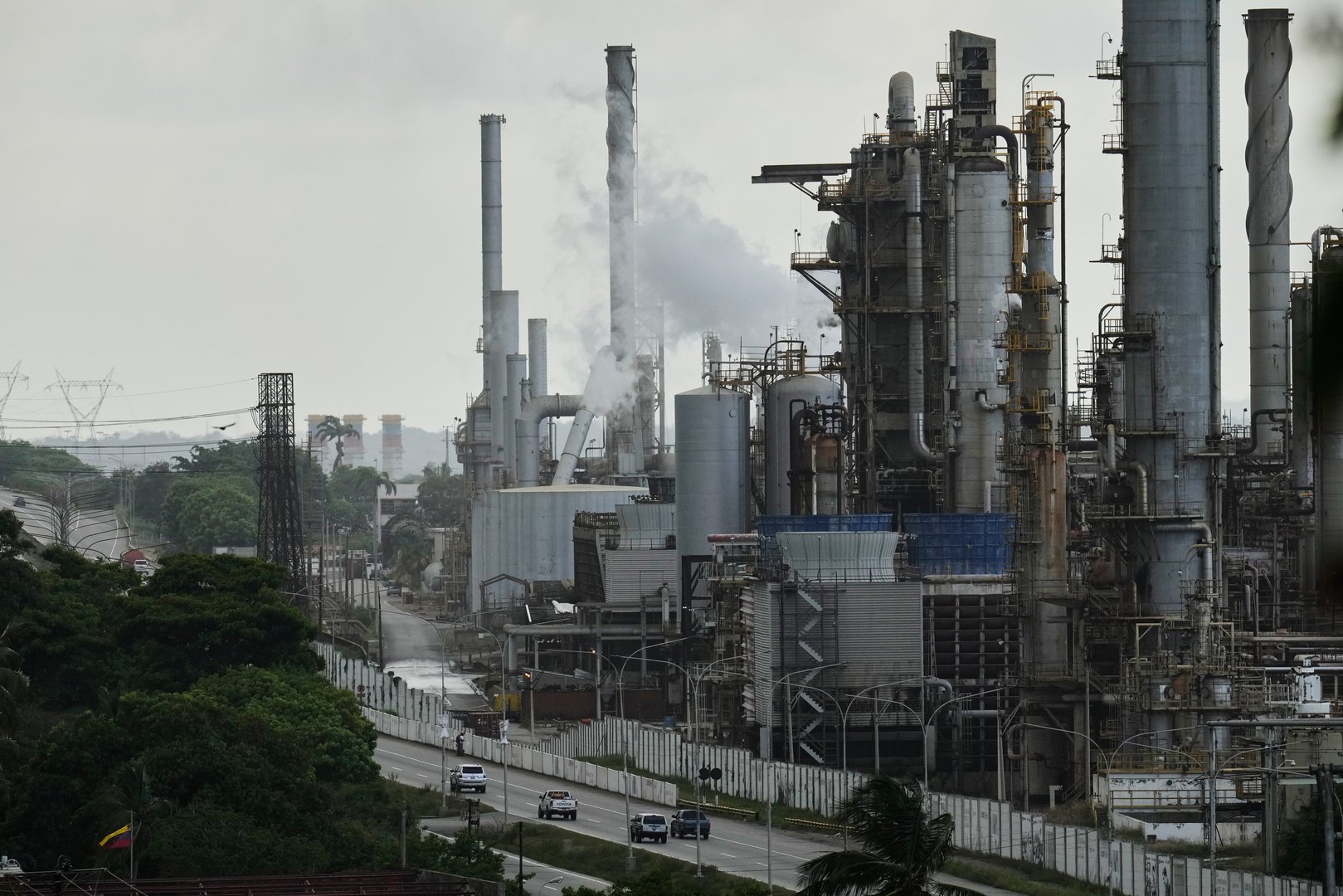
The long-term consequences are likely to be severe and counterproductive. While tactically successful in the short term, the invasion of sovereignty sets a perilous precedent. It risks igniting prolonged, Iraq-style insurgencies within Venezuela, where securing the “captured” oil resources will require immense and costly military and security commitments. Furthermore, it accelerates global de-dollarization, as other nations witness the vulnerability of holding dollar assets and conducting trade in a currency controlled by a state willing to seize leaders. This action may forge a stronger, unified anti-hegemony bloc among nations feeling threatened, leading to a more fragmented and volatile world order. Ultimately, this event serves as a stark reminder that in the face of raw power and resource hunger, international law and norms can be rendered meaningless, underscoring the brutal realities of geopolitics.