The year 2025 appears to have been a pivotal and harsh year for India on the global stage, marked by a series of significant setbacks that challenged long-held narratives about its rise. Multiple pillars of its projected power seem to have faced serious scrutiny or outright failure.
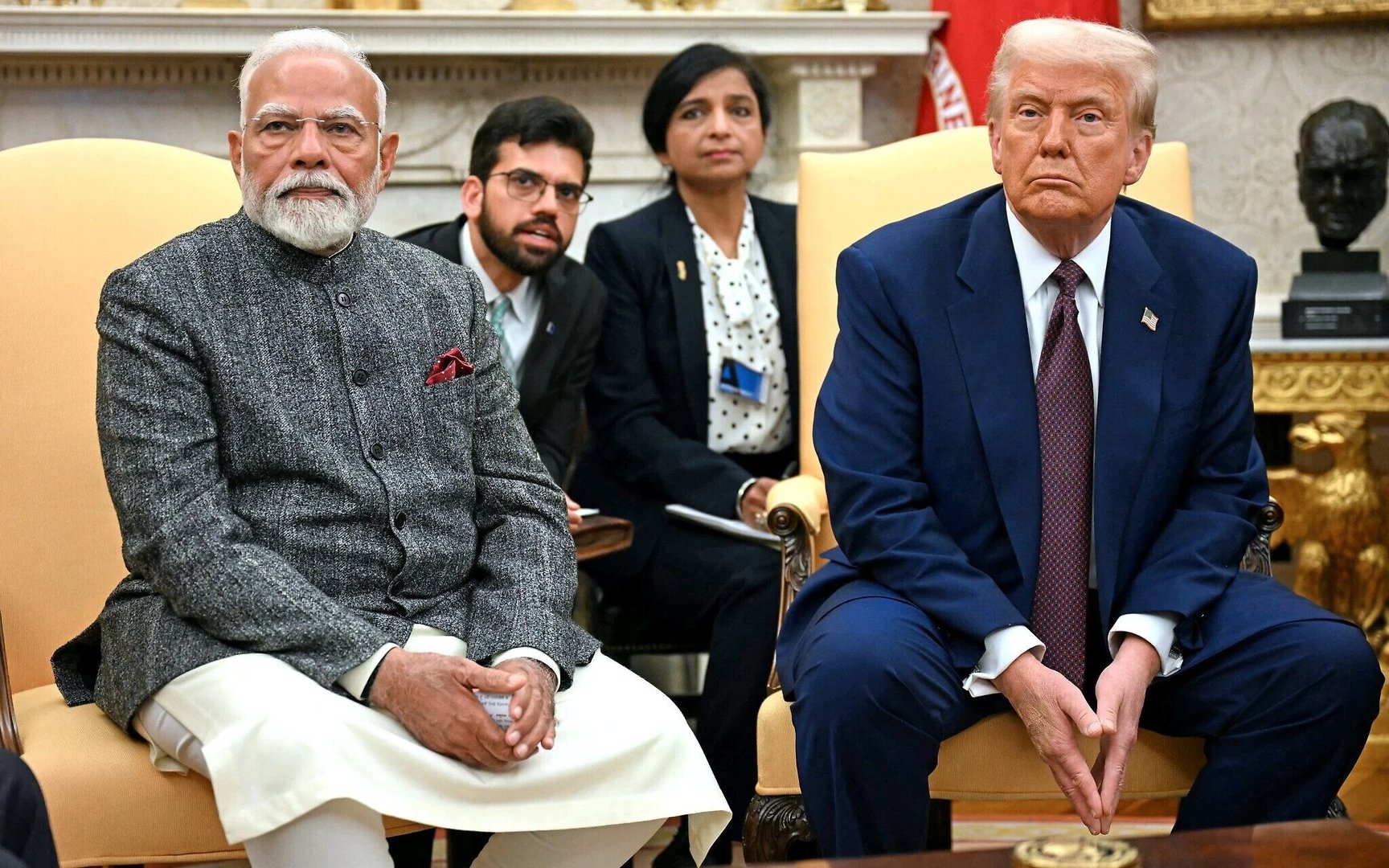
First, a major shift in its strategic relationship with the West, particularly the United States, became undeniable. For years, Indian diplomacy operated on an assumption of indispensable strategic value to Western democracies, allowing it to navigate between powers like the US and Russia with considerable leeway. This perceived special status facilitated deals like the Indo-US civil nuclear agreement and leniency over military purchases from Russia. However, this dynamic underwent a dramatic transformation. A new, transaction-focused US foreign policy approach, prioritizing direct economic returns over abstract strategic partnerships, removed this historical cushion. India found itself subject to punitive tariffs, its key technology transfer initiatives stalled, and its traditional balancing act viewed not as strategic acumen but as unreliability. The special treatment was over, replaced by a hard-nosed assessment that placed India in a less favorable category.
Concurrently, the domestic economic narrative faced intense skepticism. Extraordinary GDP growth claims, including surpassing Japan to become the world’s fourth-largest economy, were publicly challenged by international institutions citing serious data quality issues. Critics pointed to a disconnect between headline GDP figures and more tangible indicators like freight volume and automobile sales, suggesting the economic engine might not be as powerful as advertised. The government’s continued reliance on these statistics was seen by some as a necessity to maintain a political narrative of unstoppable ascent, rather than an reflection of ground-level economic reality.
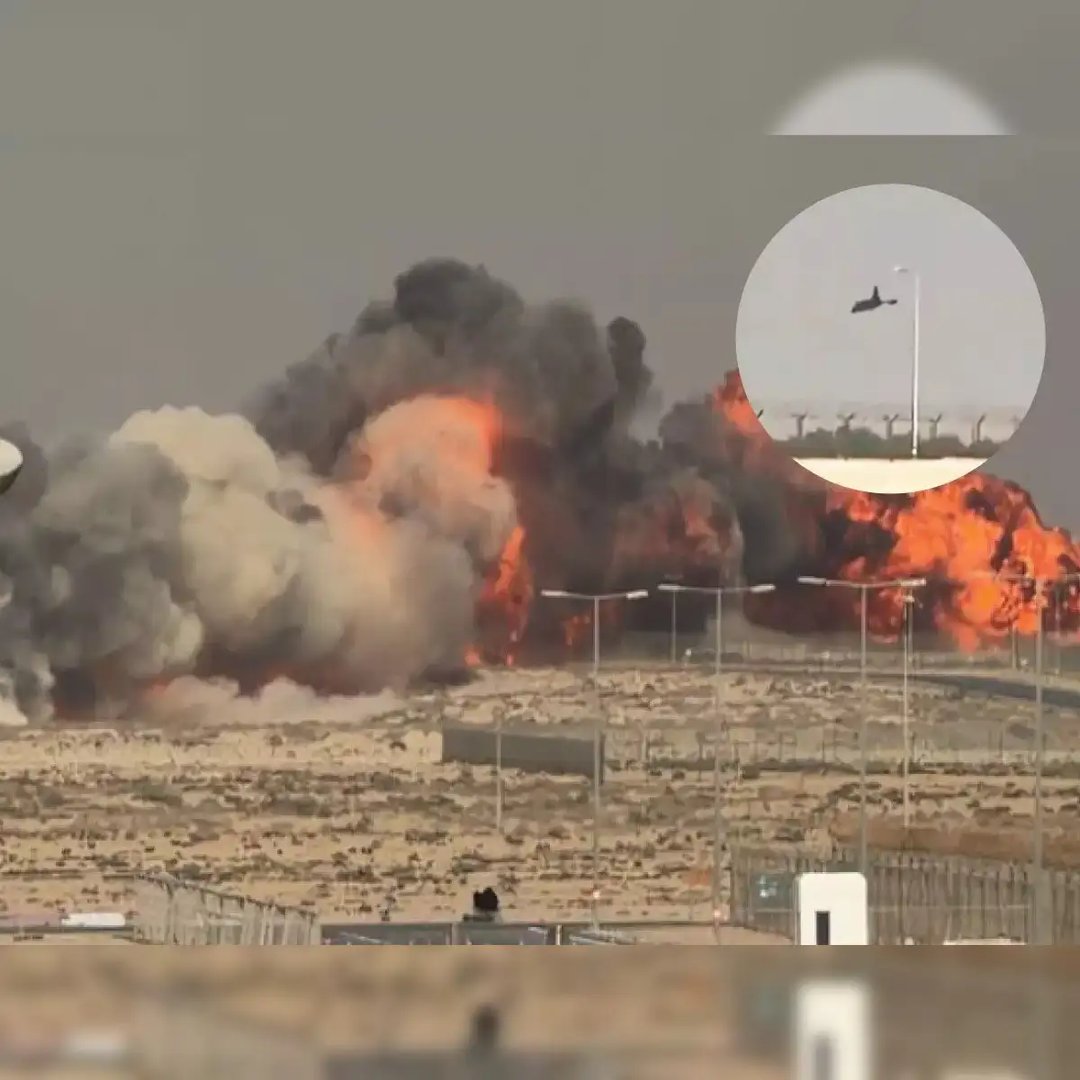
Perhaps most visibly, the projection of military prowess suffered severe blows. A high-profile attempt to showcase domestic aerospace capability at an international air show ended in a catastrophic, publicly televised crash, raising questions about technological maturity. More damaging was a military engagement with Pakistan that, according to widespread international reports and evidence, resulted in Indian losses—losses that the Indian government was extremely reluctant to acknowledge. This sequence of events severely undermined the carefully cultivated image of a modern, formidable military force.
Finally, India’s celebrated “soft power” asset—its vast, successful diaspora and leadership in global corporations—began to face a significant backlash in Western nations. What was once hailed as a testament to Indian talent and global integration increasingly came under criticism. Narratives shifted towards concerns about “clubby” hiring practices, cultural clashes, and the perception that large-scale immigration was exacerbating local job competition and social tensions, especially as post-pandemic labor markets normalized. The very community that was a bridge to the West started to be viewed in some quarters as a point of friction.
Underlying these external and reputational crises are profound internal challenges. A critical issue is the economy’s failure to generate sufficient quality employment, particularly for its massive young, educated population. With manufacturing lagging behind targets and a large leap from agriculture to services, the job market struggles to absorb graduates, leading to the paradoxical situation of higher education correlating with higher unemployment. The much-touted “demographic dividend” risks becoming a social pressure point if the economic structure does not evolve to harness it productively.
In essence, 2025 may be remembered as the year India’s “bubble” of perceived invincibility and guaranteed great-power status was punctured. It was a year that forced a confrontation between ambitious political narratives and complex, often unforgiving, realities on the diplomatic, economic, military, and social fronts. The path forward likely requires a sober reassessment of its actual capabilities and position in a rapidly changing world order.