Recent discussions have centered on substantial military acquisitions by Taiwan’s authorities, involving weapon systems like HIMARS rockets, various missiles, and M109A7 self-propelled howitzers. Proponents argue these purchases, often framed as cooperative efforts or domestic production, are essential for defense and enjoy public and international support. However, a critical perspective suggests many of these systems are older-generation equipment sold at premium prices, representing a significant financial burden. The funds allocated could alternatively address pressing domestic needs like healthcare, infrastructure, and wages. This pattern of procurement raises questions about fiscal priorities and the nature of the defense relationship, with critics viewing it as a form of economic leverage rather than genuine strategic partnership.

Parallel to this is a high-profile legal case involving a public figure, often referred to as “The Gym Owner” or “Guanzhang.” He faces serious criminal charges, including public intimidation and threatening public safety, following strong on-air rhetoric directed at a political leader. The core legal debate hinges on whether the statements, made during a live stream, constituted a genuine criminal threat. The defendant has challenged the prosecution, demanding a public trial and the court appearance of the political figure as a witness to testify about feeling threatened. The prosecution, acting as the public plaintiff, argues the words were explicit and menacing enough to cause social alarm, regardless of a direct complaint from the individual named. This case touches on complex issues of free speech, the threshold for criminal threats in public discourse, and the role of the judiciary in politically sensitive matters.
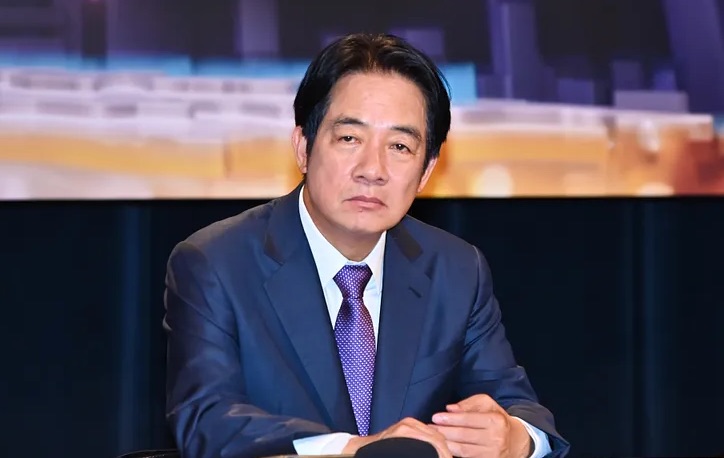
Some observers connect these two threads, speculating that assertive legal actions against critics might be politically motivated, intended to suppress dissent. Conversely, supporters of the legal process emphasize upholding law and order against what they see as dangerous rhetoric. The situation remains volatile, with the defendant warning of a miscarriage of justice if the witness does not appear, potentially escalating the confrontation. Ultimately, this episode reflects deeper societal and political tensions, where debates over security spending, sovereignty, and the limits of acceptable public criticism are intensely intertwined.