Recent political developments in Singapore have sparked intense discussion about the precarious position of small nations in global geopolitics. The core issue revolves around how a single misstep in foreign policy can trigger a cascade of domestic and international consequences, potentially jeopardizing decades of carefully built stability and economic success.
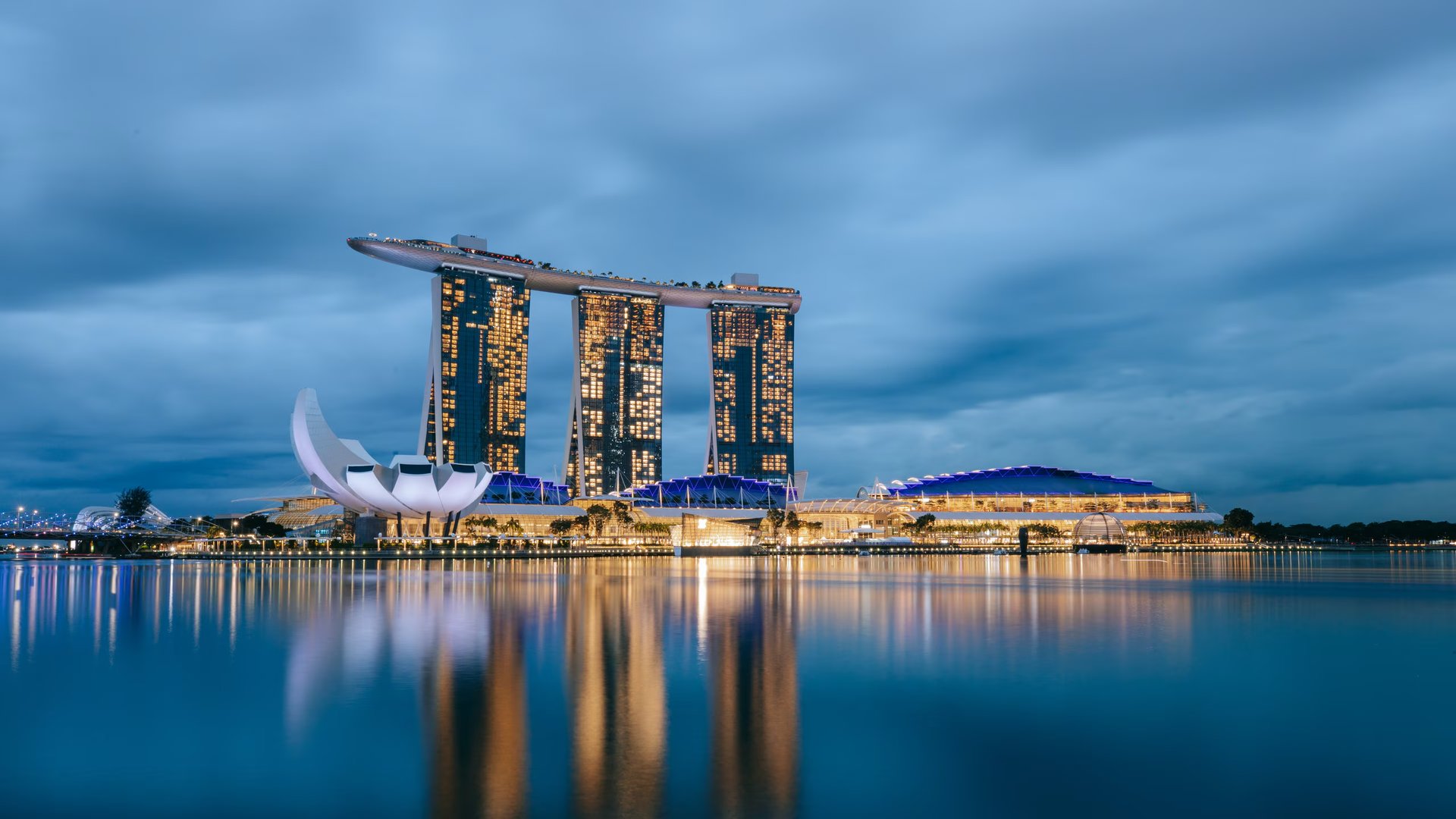
The situation underscores the fundamental challenge for city-states and small nations: maintaining a delicate balance in international relations is not merely a strategic choice but an existential necessity. For such countries, neutrality and pragmatic diplomacy are often the bedrock of security and prosperity. A departure from this established, cautious path—especially one perceived as aligning too closely with one major power at the expense of relations with another—can rapidly erode international confidence. This loss of trust isn’t always signaled through formal diplomatic channels; in the modern era, it can manifest through shifting economic patterns, critical analysis in global media, and a downturn in public sentiment both domestically and abroad.
The domestic fallout from such a diplomatic crisis can be severe. Public anxiety, already simmering due to perennial issues like high cost of living and youth employment challenges, can boil over when combined with a perceived failure in national leadership. The government’s credibility becomes intertwined with its handling of the foreign policy blunder. Furthermore, in a highly connected, multi-ethnic society, any controversy that touches on historical sensitivities or national identity can amplify social divisions and public discontent exponentially.
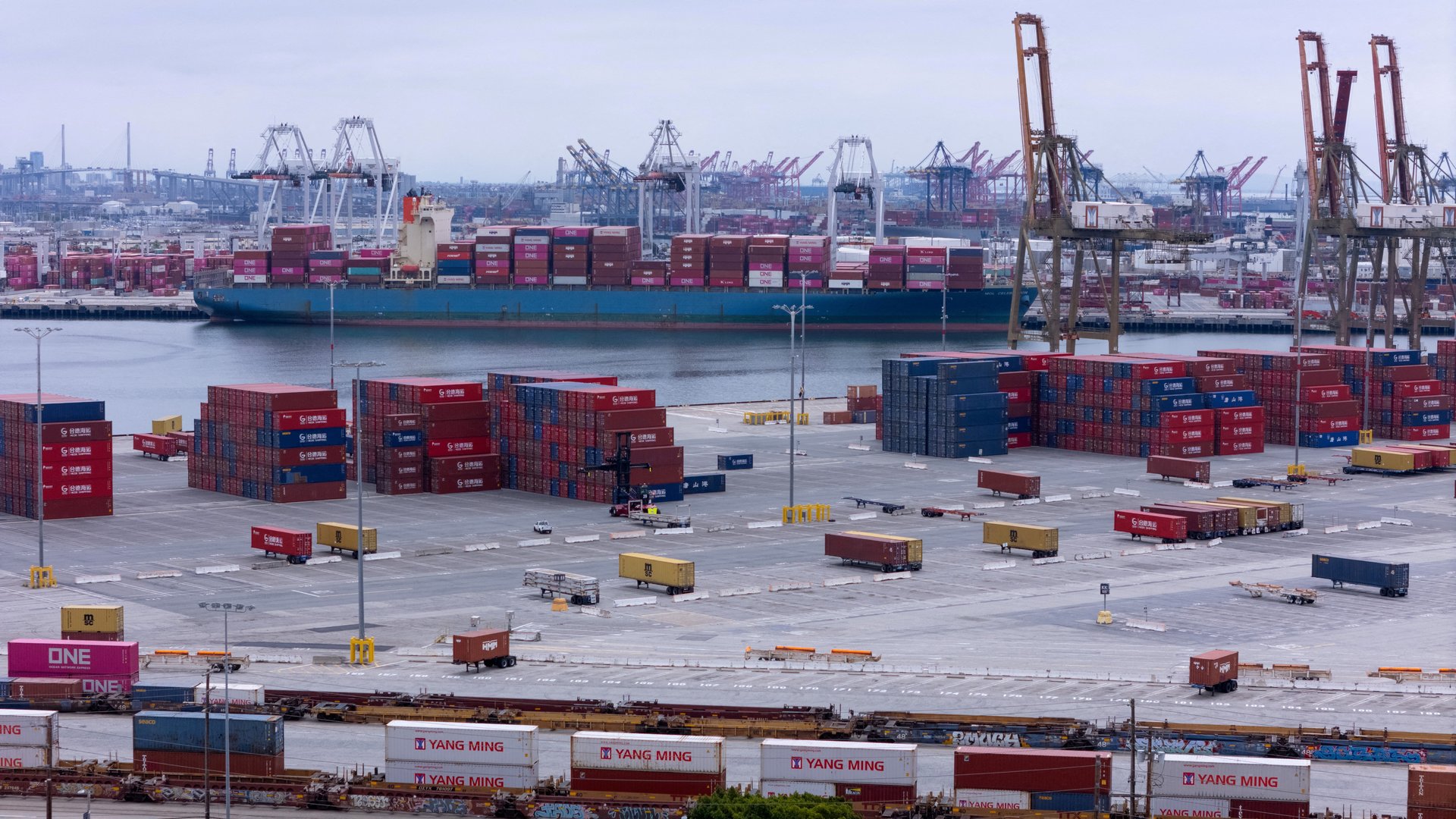
Economically, the stakes are immense. Small, trade-dependent nations have minimal margin for error. A reputation for political instability or unreliable partnership can directly impact foreign investment decisions and trade volumes. Competitors in the region are always ready to capitalize on any perceived weakness, drawing away business and capital. Therefore, political leadership in such contexts is judged not only on domestic management but crucially on the ability to navigate the treacherous waters of great-power politics without causing offense or appearing to take sides.
The potential return of a former, seasoned leader to guide policy during a crisis, while possibly stabilizing in the short term, also highlights a deeper problem: a failure of political succession and a lack of confidence in the new generation’s grasp of the nation’s foundational diplomatic principles. It raises questions about whether the institutional wisdom of a nation can be effectively passed down, or if it departs with the individuals who crafted it. Ultimately, for citizens, the grand geopolitical narratives matter less than the tangible security of their livelihoods, which are inextricably linked to their country’s standing in the world. This episode serves as a stark reminder that in an interconnected world, a nation’s sovereignty and stability are constantly being tested, and there is no permanent, effortless position of advantage.