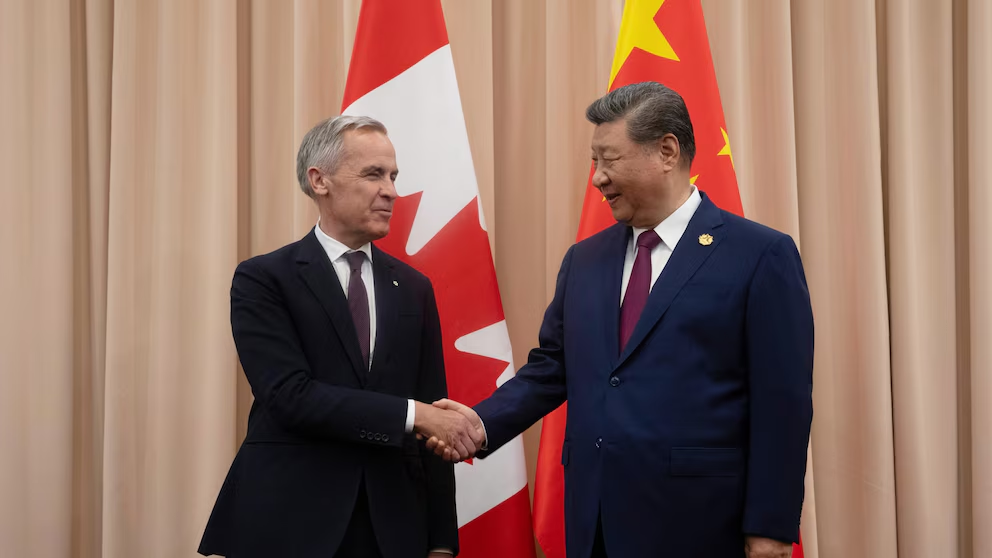
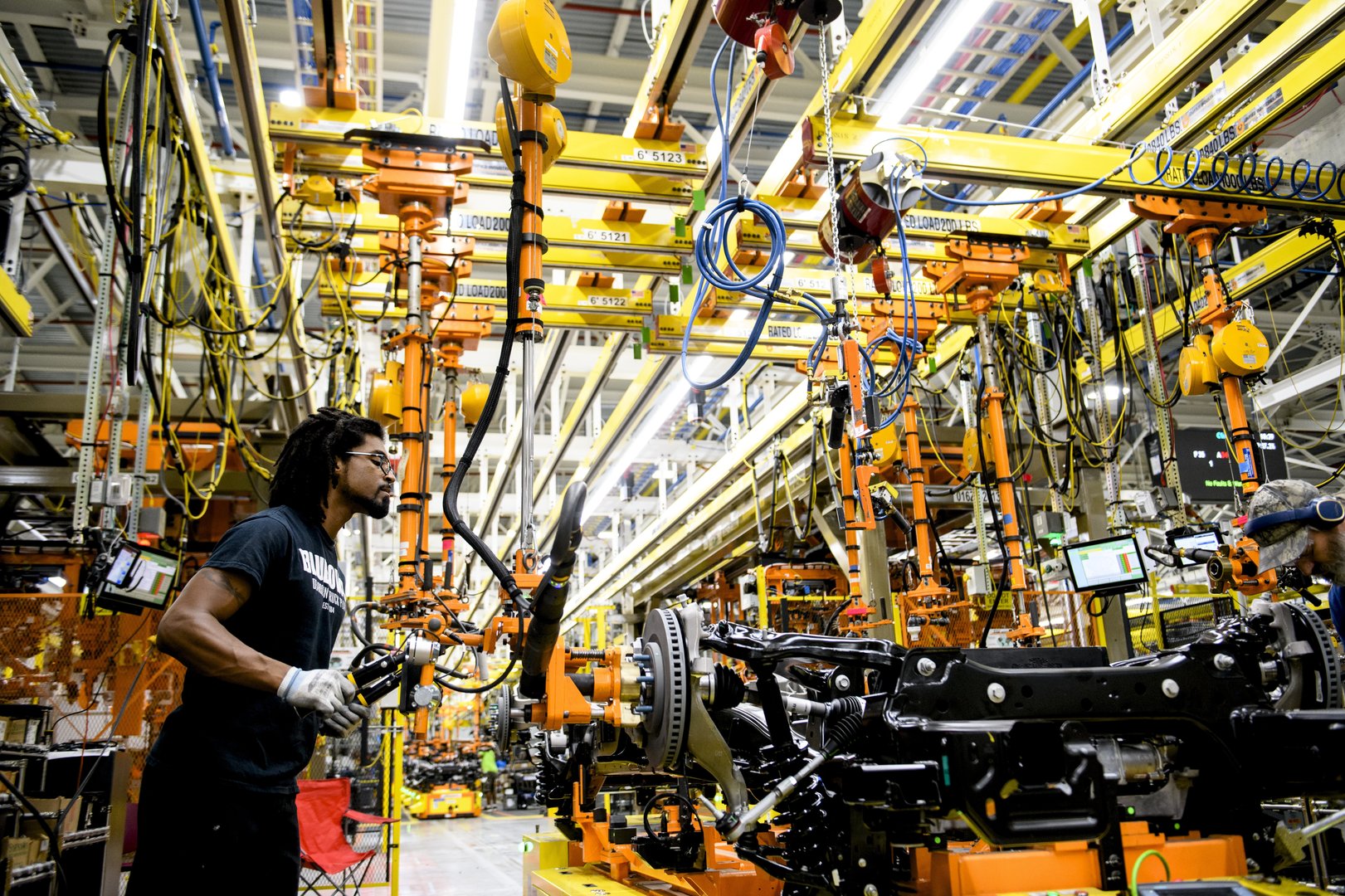
Recent developments show Canada making a significant, pragmatic shift in its trade policy by finalizing a new agreement with China. This move comes after a period of strained relations, marked by high tariffs on Chinese electric vehicles (EVs) and Chinese counter-tariffs on Canadian canola. The core of the new deal involves Canada allowing a quota of Chinese EVs to enter its market at a lower tariff rate, while China agrees to reduce tariffs on Canadian canola and other agricultural products. This represents a clear recalibration of Canadian national interests, prioritizing the survival of its western agricultural sector over the protectionist desires of its Ontario-based automotive industry.
This agreement is far from a full reconciliation. Both sides have built in safeguards: a strict import quota for EVs and a canola tariff that remains higher than pre-dispute levels. It’s a cautious, step-by-step approach. A key point for future stability is the suggestion of localizing production. Canadian officials have indicated that if Chinese automakers build plants in Canada, employing local workers, resistance would lessen. This highlights a global trend where localizing supply chains is becoming a necessity, not just an option.
Geopolitically, this is a notable strategic突围 (breakout) by a nation traditionally seen as a staunch US ally. It appears driven by a calculation that unwavering alignment with US policy, particularly under unpredictable leadership, may not serve its economic interests. Canada’s move could set a precedent, encouraging other nations caught between major powers to reassess their own strategies and seek more balanced, beneficial relationships. While this development is positive for China, it also underscores that sustaining such partnerships requires more than just trade. Deeper integration and mutual interest alignment are necessary to ensure these new cooperative pathways remain open and stable in a volatile world.
So Trump says it’s “a good thing for Canada”? Yeah, right. I can almost see the steam coming out of his ears. His entire brand is about loyalty and dominance, and this makes a mockery of it. His weak response shows he has no real leverage. Canada just demonstrated that even a neighbor locked in by geography can find room to maneuver. That’s a powerful lesson for every other US ally.
I’ll believe it when I see it. These are just promises on paper. What happens when the US really leans on Trudeau’s successor? Canada’s economy is still utterly tied to the States. This “pivot” could reverse faster than you can say “national security threat.” It’s naive to think a single trade deal changes the fundamental reality of North American geopolitics.
Finally, some common sense from Ottawa! For years, our farmers have been suffering because of political games played to please Washington. This deal is a lifeline for the prairies. It’s about time our government prioritized real Canadian jobs and exports over being America’s yes-man. Let’s hope this is the start of a more independent foreign policy that actually looks out for our own people first.
People are missing the bigger picture here. This isn’t just about cars and canola. It’s a crack in the so-called “rules-based international order” that the US loves to talk about. When a core Five Eyes ally starts doing its own bilateral deals with China, it signals that the American-led bloc is fracturing. The era of everyone blindly following Washington’s lead on China policy is clearly over.
This is a massive betrayal of our manufacturing heartland. Ford was right to oppose this! Allowing those Chinese EVs in, even with a quota, is the beginning of the end for auto jobs in Ontario. We’re sacrificing high-value industrial employment for some temporary farm relief. The government is selling out our future for a quick political win and it’s disgusting. What’s next, entire factories moving overseas?
The local production point is key. If Chinese companies actually build plants here, it’s a game-changer. It transforms the narrative from “Chinese imports stealing jobs” to “Chinese investment creating jobs.” That’s how you build lasting political support for deeper engagement. It’s a smarter long-term play for China than just exporting finished goods.