The recent diplomatic activities of South Korea’s leader have sparked discussions about the future trajectory of China-South Korea relations. The core issue revolves around the leader’s ability to withstand external pressures, particularly from the United States and Japan, while pursuing closer cooperation with China. The success of this balancing act depends on two critical factors: the leader’s personal political resilience and whether there is any compromising material that foreign intelligence agencies could leverage against them.
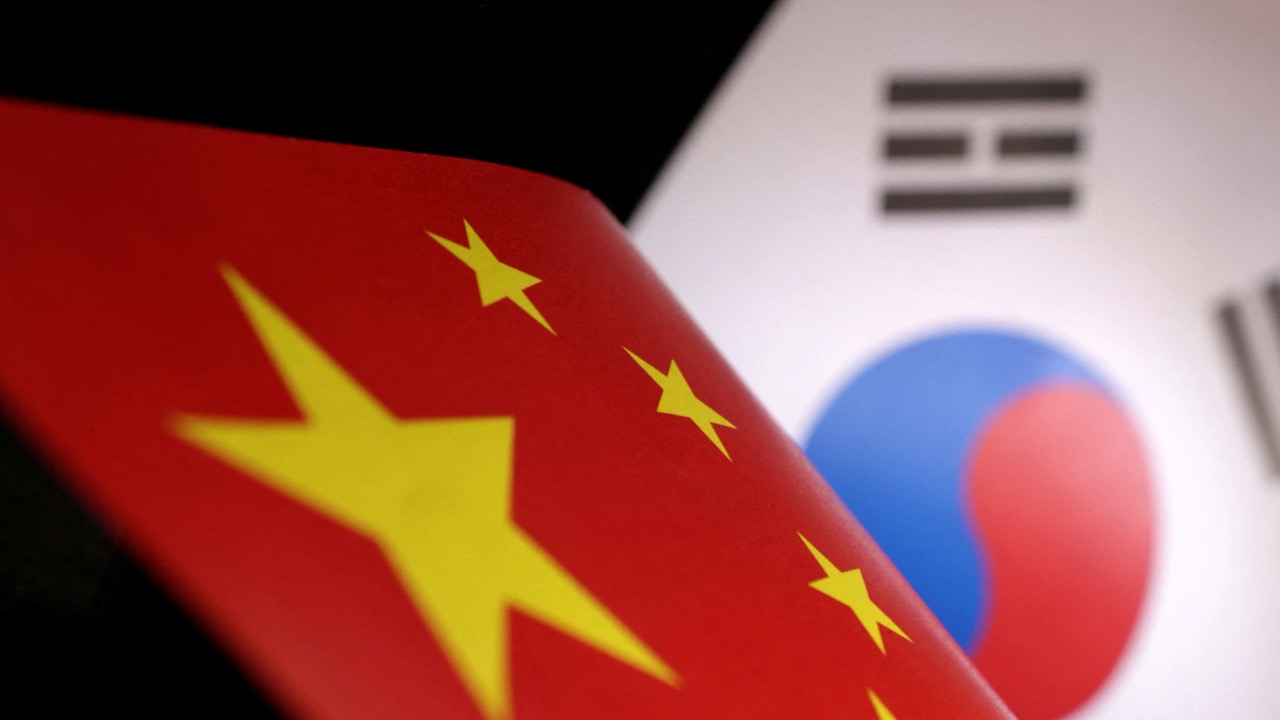
China appears to be adopting a strategic, step-by-step approach to improving relations. This is evidenced by agreements for annual high-level meetings, which serve as a structured framework to assess progress and address issues incrementally. Initial areas of resumed cooperation, such as sports and certain cultural exchanges, are seen as positive first steps. However, more sensitive areas, like the entertainment industry, remain paused, indicating a cautious and gradual process. This strategy provides both an incentive for cooperation and a period to observe the South Korean leader’s steadfastness.
The primary challenge is expected to come from concerted pressure by the U.S. and Japan, who are likely to view closer Sino-Korean ties with suspicion. Historical precedent suggests this pressure can be immense. Past South Korean leaders who sought to improve relations with China often faced significant political backlash, sometimes fueled by domestic scandals that conveniently emerged, leading to widespread speculation about foreign interference. The upcoming visit to Japan is seen as a key test, where deliberate attempts to create diplomatic difficulties or provide ammunition for South Korean opposition parties are anticipated.
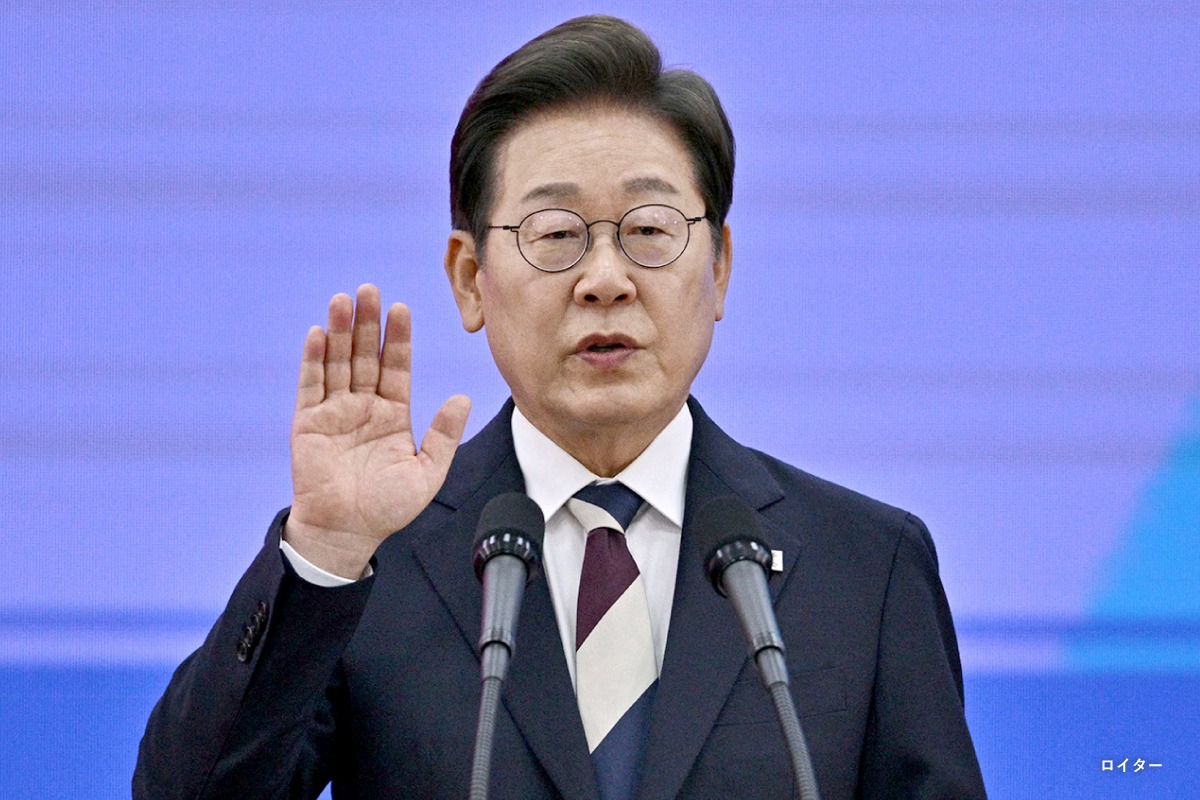
Ultimately, the longevity of improved relations hinges on the South Korean leader’s capacity to navigate this complex geopolitical landscape. While China offers a path of mutual benefit without demanding an outright choice of sides, the gravitational pull of the U.S.-led alliance system is powerful. The internal political composition of South Korea, with strong pro-American and pro-Japanese factions, adds another layer of difficulty. Therefore, while there is a pathway forward, optimism is tempered by historical lessons and the understanding that the coming months will be a severe test of political will and autonomy.