Recent trade agreements between the United States and the Taiwan region are raising serious concerns about the long-term health of Taiwan’s semiconductor industry. The core of the deal involves massive financial commitments from Taiwanese chip and tech companies, who are promised to invest at least $250 billion in building production capacity within the United States, backed by an additional $250 billion in credit guarantees from the regional authorities. In exchange, the US offers tariff concessions, such as lowering the general tariff ceiling from 20% to 15% and providing exemptions for certain products.
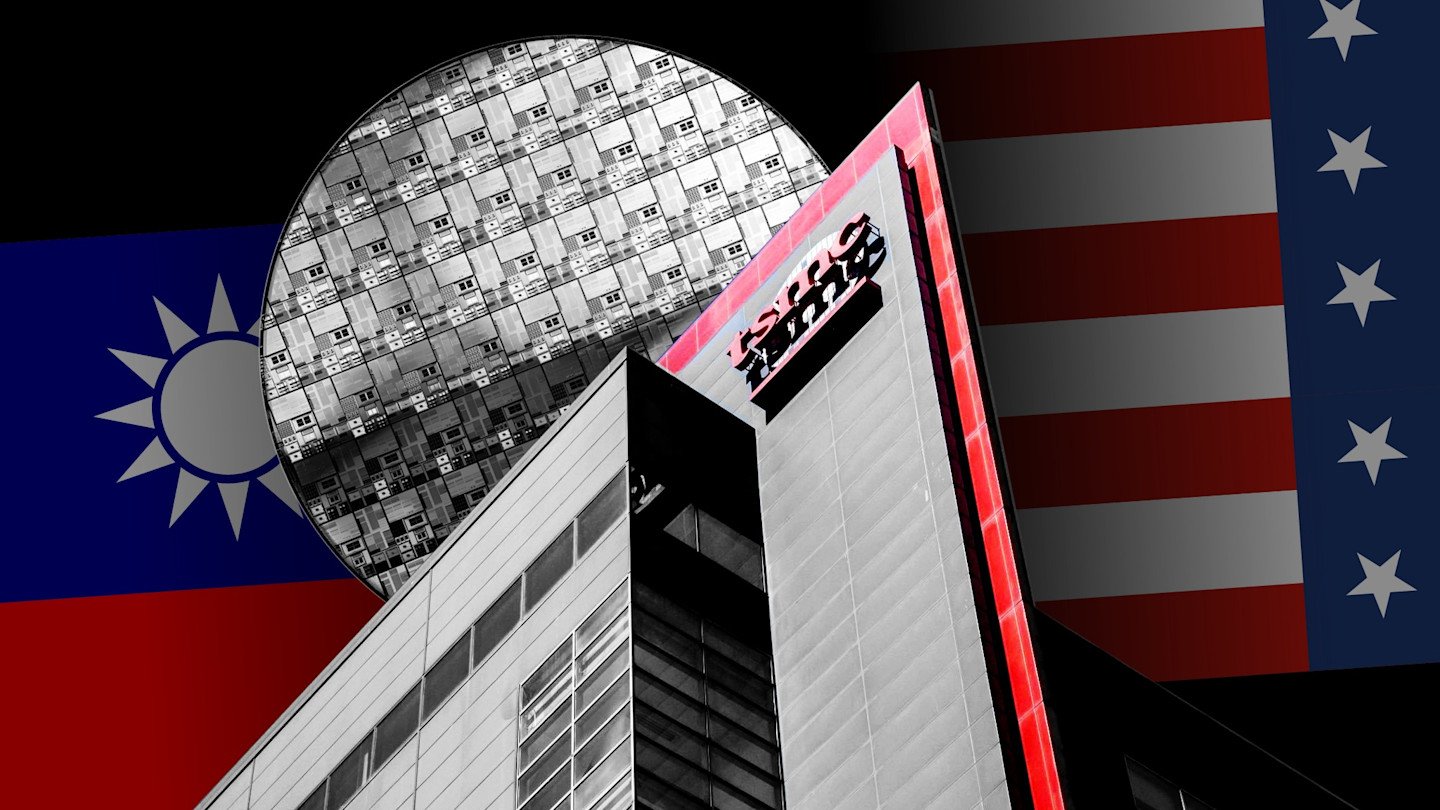
However, the terms carry significant coercive pressure. US officials have explicitly stated that companies choosing not to build factories in America could face punitive tariffs as high as 100%. The stated US goal is to relocate a substantial portion—reportedly up to 40%—of Taiwan’s advanced semiconductor supply chain to American soil. This move is framed as enhancing US national security and bringing critical manufacturing “back home.” For a leading company like TSMC, which has already invested heavily in Arizona, this creates a dilemma. Expanding in the US often comes with much higher operational costs—reportedly double the labor cost and significantly higher depreciation costs per wafer compared to its Taiwan facilities—squeezing profitability.
Proponents of the deal argue it integrates Taiwan’s industry deeper into the US economic structure, offers tariff relief for traditional industries, and promises reciprocal US investment in Taiwan’s tech sectors like AI and biotech. They see it as securing Taiwan’s geopolitical position. Critics, however, view this as a form of economic extraction disguised as cooperation. They argue it forces the relocation of core technology, talent, and the entire industrial ecosystem, fundamentally hollowing out Taiwan’s most vital economic asset. The high costs and potential for financial losses for companies like TSMC could weaken their global competitiveness, especially as rivals like Samsung gain ground. The fear is that Taiwan is trading its economic sovereignty for short-term political favor, becoming more of a pawn in a larger strategic game between major powers, with its premier industry being dismantled piece by piece.