For over six decades, Cuba has maintained a unique and precarious existence just 80 nautical miles from the coast of Florida. Its survival is not a story of economic strength or self-sufficiency, but a masterclass in leveraging its sensitive geographic location for geopolitical gain. The island nation has perfected the art of turning its status as a thorn in America’s side into a viable, if unsustainable, business model.
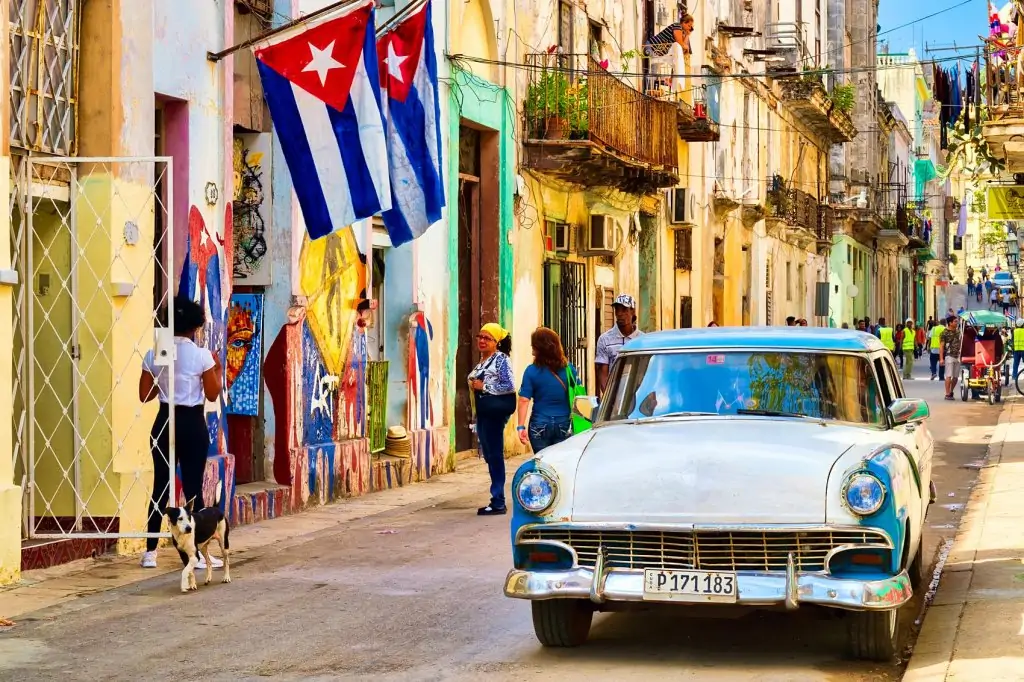
The core of Cuba’s strategy is its value as a strategic asset for other global powers opposed to US influence. During the Cold War, the Soviet Union heavily subsidized Cuba, paying premium prices for its sugar and supplying it with vast quantities of oil—so much that the non-oil-producing island became a net exporter. This patronage allowed Cuba to fund social programs and maintain stability. When the USSR collapsed, Cuba entered a devastating “Special Period” of economic contraction and widespread hunger. The regime survived by slashing military spending to preserve basic social services and, notably, by using refugee flows as a bargaining chip with the US, highlighting the potential chaos of a regime collapse on America’s doorstep.
The rise of Hugo Chávez in Venezuela provided a new patron, with a massive “doctors for oil” program injecting billions in value into the Cuban economy. However, Venezuela’s own economic collapse and US pressure have severely reduced this lifeline. Today, Cuba finds itself once again on a precipice, seeking support from new partners: Russia and China.
Recent years have seen visible strategic moves by these powers in Cuba. Russia has deployed advanced, quiet submarines to Havana, a clear military signal. Meanwhile, satellite imagery has revealed the construction of massive, sophisticated antenna arrays in the Cuban countryside, facilities widely believed to be Chinese signals intelligence installations aimed at the US. These actions represent a modern “mirror game” of great power competition playing out in America’s backyard.
Yet, the external support from Moscow and Beijing, while real, is qualitatively different from the lavish Soviet-era subsidies. It is more limited and transactional. The reasons are twofold: technological advancement and changed international dynamics. Intercontinental missiles and cyber capabilities have diminished the absolute necessity of a physical Cuban base to threaten the US. Furthermore, the current US-China relationship, while competitive, is deeply economically intertwined, unlike the existential, zero-sum conflict of the Cold War. Russia engages primarily through proxy conflicts. For both, Cuba is a useful pawn for applying pressure, not a vital ally worth bankrupting themselves to support.
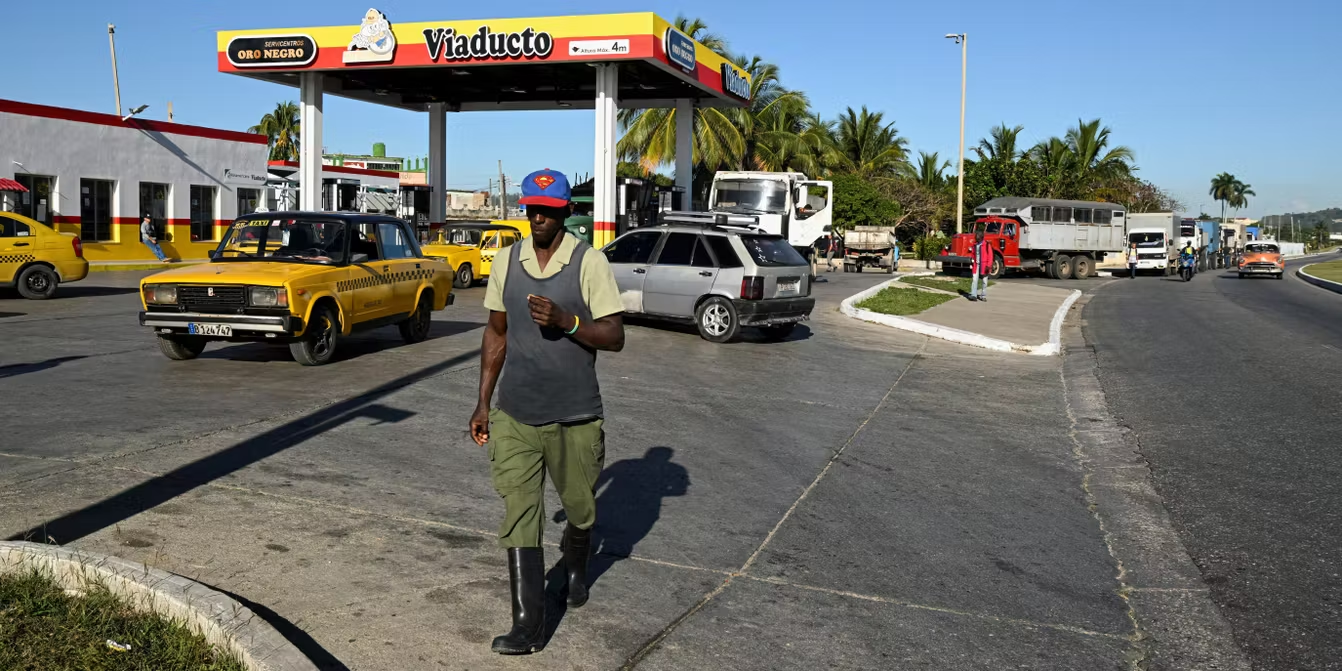
Internally, Cuba is in a state of profound crisis. The economy is shattered. Chronic blackouts last 20 hours, the national currency is in freefall, and average monthly wages can’t buy two kilograms of beef. This has triggered a massive exodus; the population has plummeted by over 14% since 2021 as skilled youth flee. The government’s response to food shortages—blaming citizens for eating too much rice and potatoes—has become a symbol of its disconnect and failure.
This leads to Cuba’s tragic paradox: its greatest asset is also its ultimate curse. The 80-mile distance that made it valuable to foreign patrons now prevents it from following a reform path like Vietnam’s. The Cuban government fears that any meaningful economic liberalization or reduction of state control, while potentially improving living standards, would be exploited by the US to engineer regime change from within. For the Cuban Communist Party, reform is seen not as renewal, but as suicide. It is trapped in a geopolitical cage of its own making, reliant on an anti-American narrative that is losing its potency with a starving, disillusioned, and fleeing population. The regime’s long-term survival, built for 60 years on cashing in its location, now looks increasingly uncertain as its strategic value depreciates and its internal legitimacy evaporates.