The conflict in Sudan, particularly the siege and subsequent massacre in El Fasher, represents one of the most severe humanitarian crises of our time. The Rapid Support Forces (RSF), after an 18-month siege, breached the city’s defenses, leading to widespread atrocities. Conservative estimates suggest thousands were killed, with satellite imagery revealing disturbing evidence. This event is not isolated but part of a broader civil war that has displaced millions and claimed hundreds of thousands of lives since 2023.
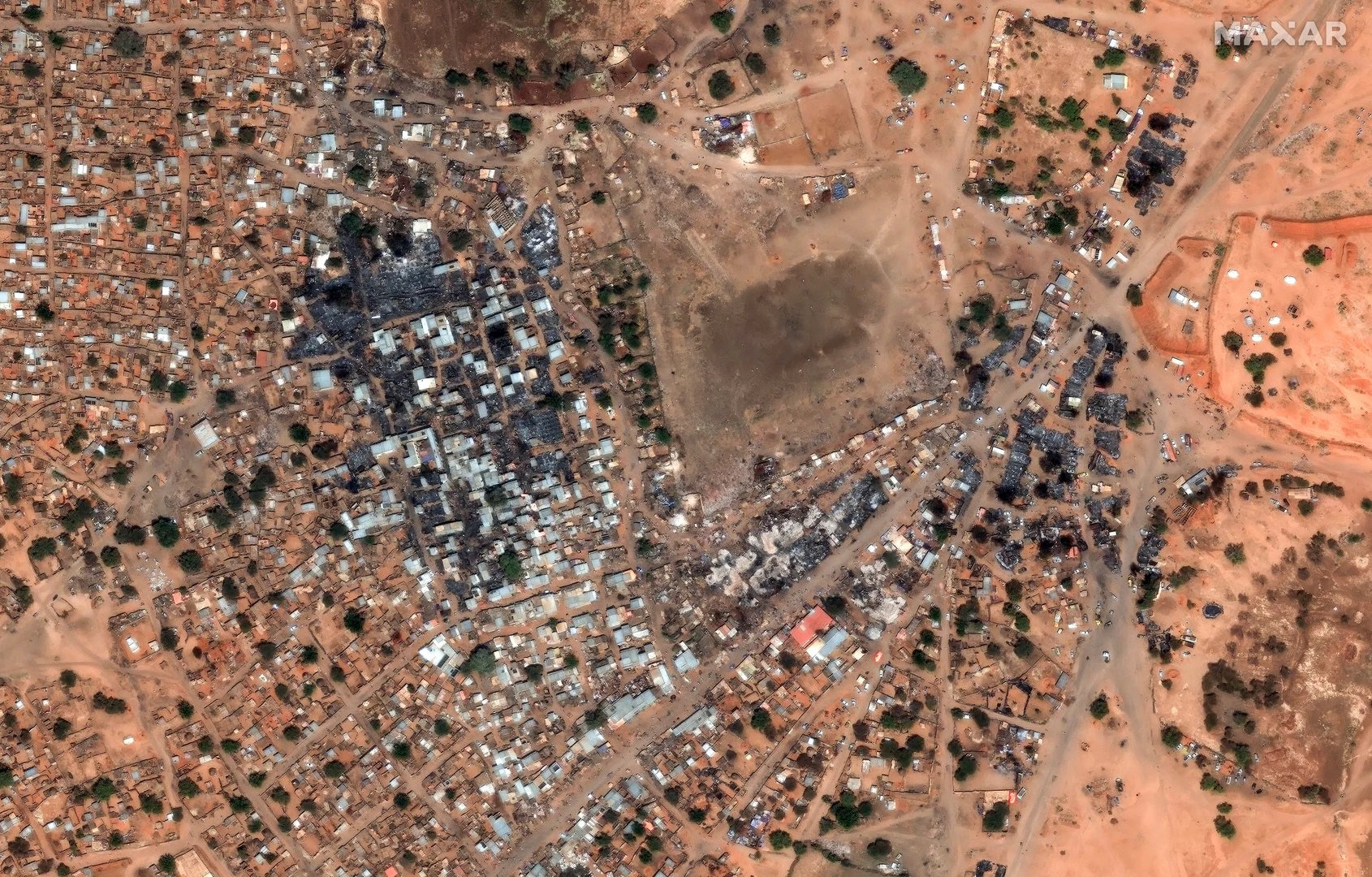
The roots of this conflict are deeply historical and ethnic. Sudan, positioned at the crossroads of the Arab world and Sub-Saharan Africa, has a long history of internal strife, primarily between northern Arab populations and southern non-Arab groups. The current war, however, pits two Arab-led factions against each other: the Sudanese Armed Forces (SAF) and the RSF. The RSF itself has a dark lineage, evolving from the Janjaweed militias accused of genocide in Darfur two decades ago. The power struggle between SAF leader General al-Burhan and RSF commander General Hemedti, once allies in a post-coup transitional government, erupted into open warfare in April 2023.
A critical factor enabling the RSF’s campaign is external support, primarily from the United Arab Emirates (UAE). Despite a UN arms embargo, reports indicate the UAE acts as a conduit, supplying the RSF with a diverse arsenal of weapons, including Chinese drones and American-made missiles. The motivations are multifaceted: economic interests in Sudan’s gold mines, strategic ambitions for control over Red Sea ports, and ideological opposition to Islamist political movements like the Muslim Brotherhood, which the UAE views as a threat.
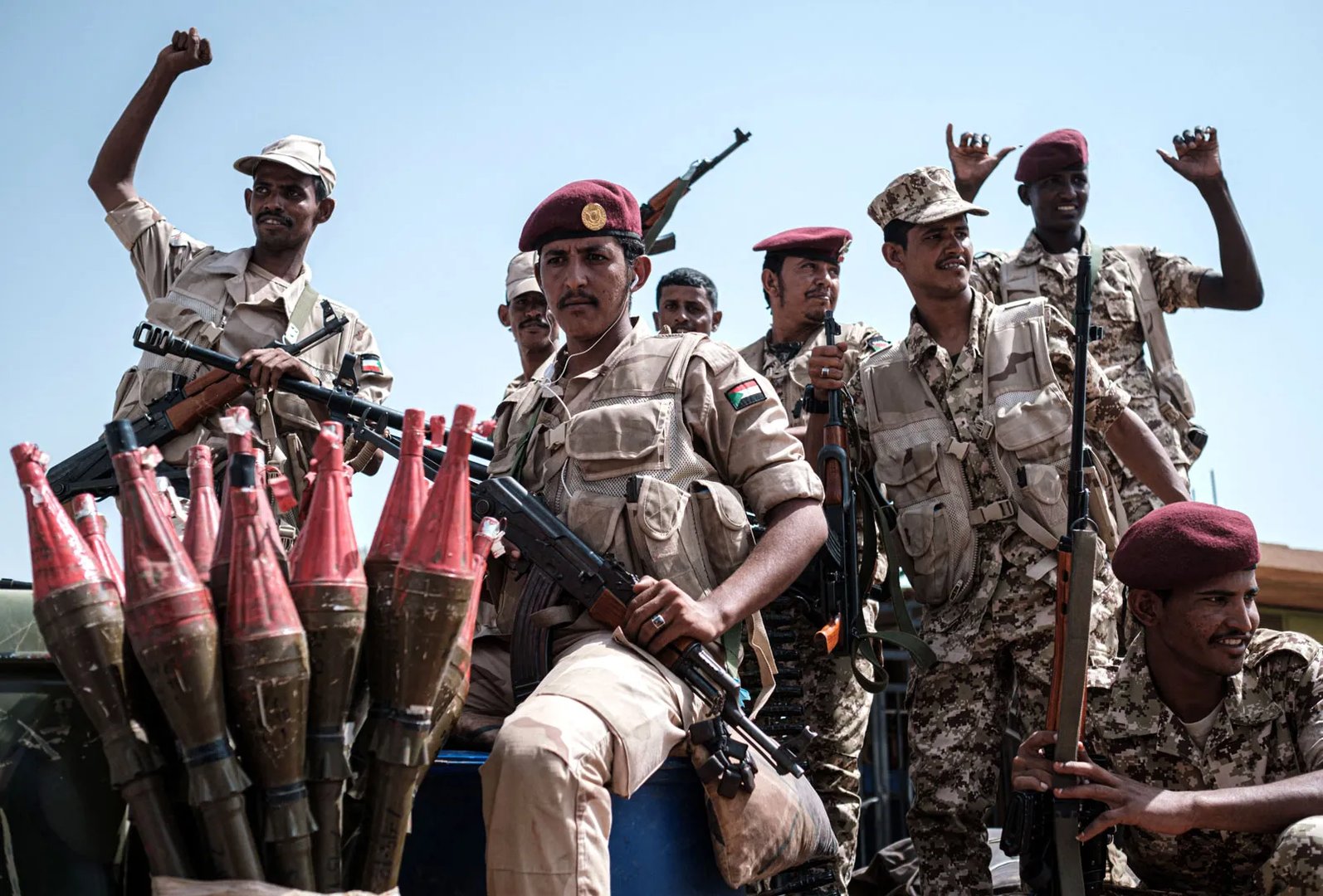
Conversely, the Sudanese government receives backing from Turkey, which provides armed drones and seeks to expand its influence in the Red Sea region, countering the UAE’s ambitions. This has turned Sudan into a proxy battleground for regional powers.
The international response has been overwhelmingly characterized by inaction. While the United States has formally accused the RSF of genocide and imposed sanctions on its leaders, it has taken no substantive action against its ally, the UAE, which facilitates the RSF’s weapons supply. Other global powers, including Russia, China, and the European Union, have offered little beyond rhetorical calls for peace or humanitarian aid, prioritizing their strategic and economic interests over decisive intervention. The recent capture of the Heglig oilfield by the RSF underscores the ongoing volatility and the high stakes involved, not just for Sudan but for neighboring South Sudan’s economy.
The world’s failure to act, despite clear warnings during the 18-month siege of El Fasher, highlights a grim reality: in global geopolitics, strategic interests often overshadow humanitarian imperatives. The people of Sudan continue to suffer in a conflict that remains largely on the periphery of international attention.