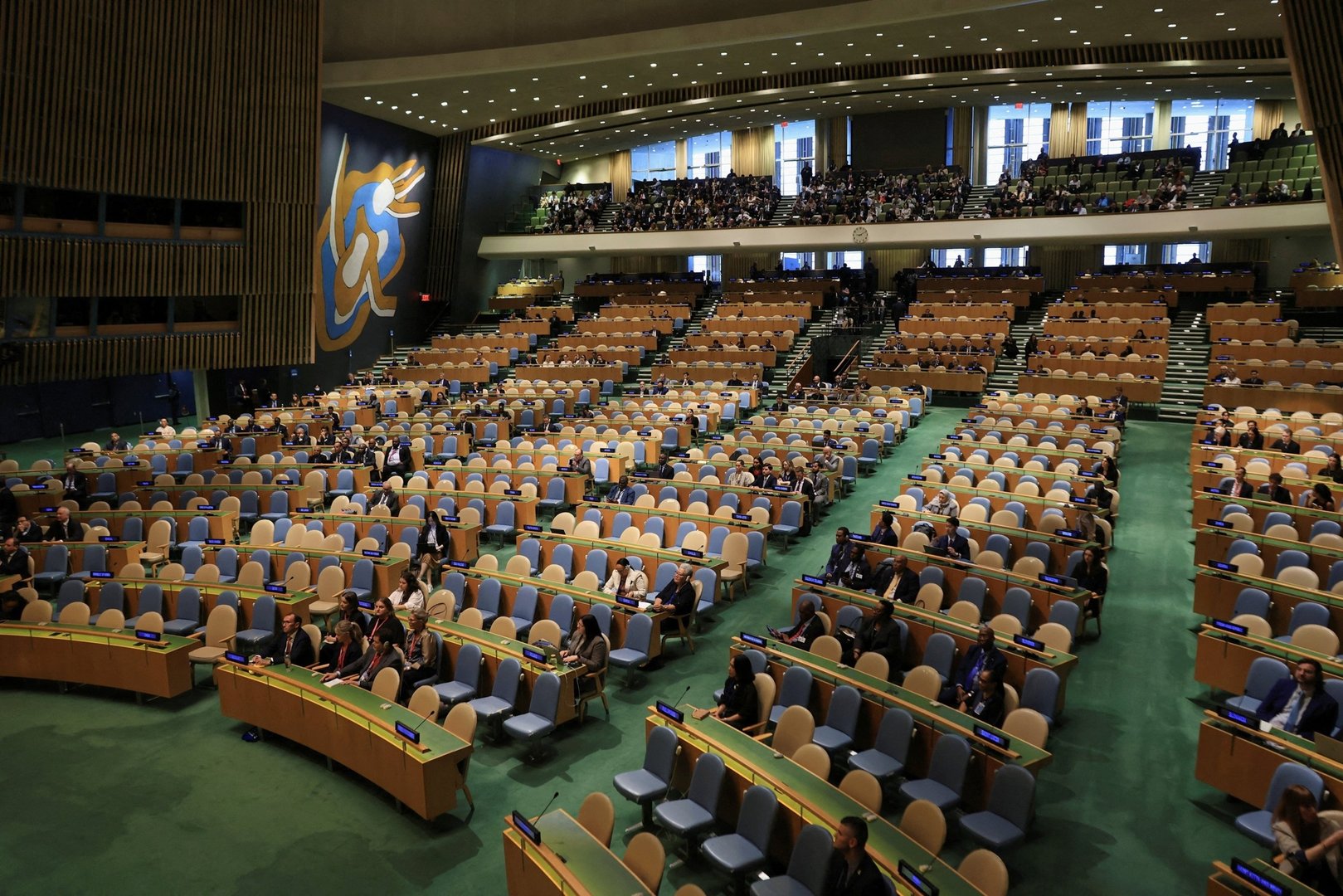
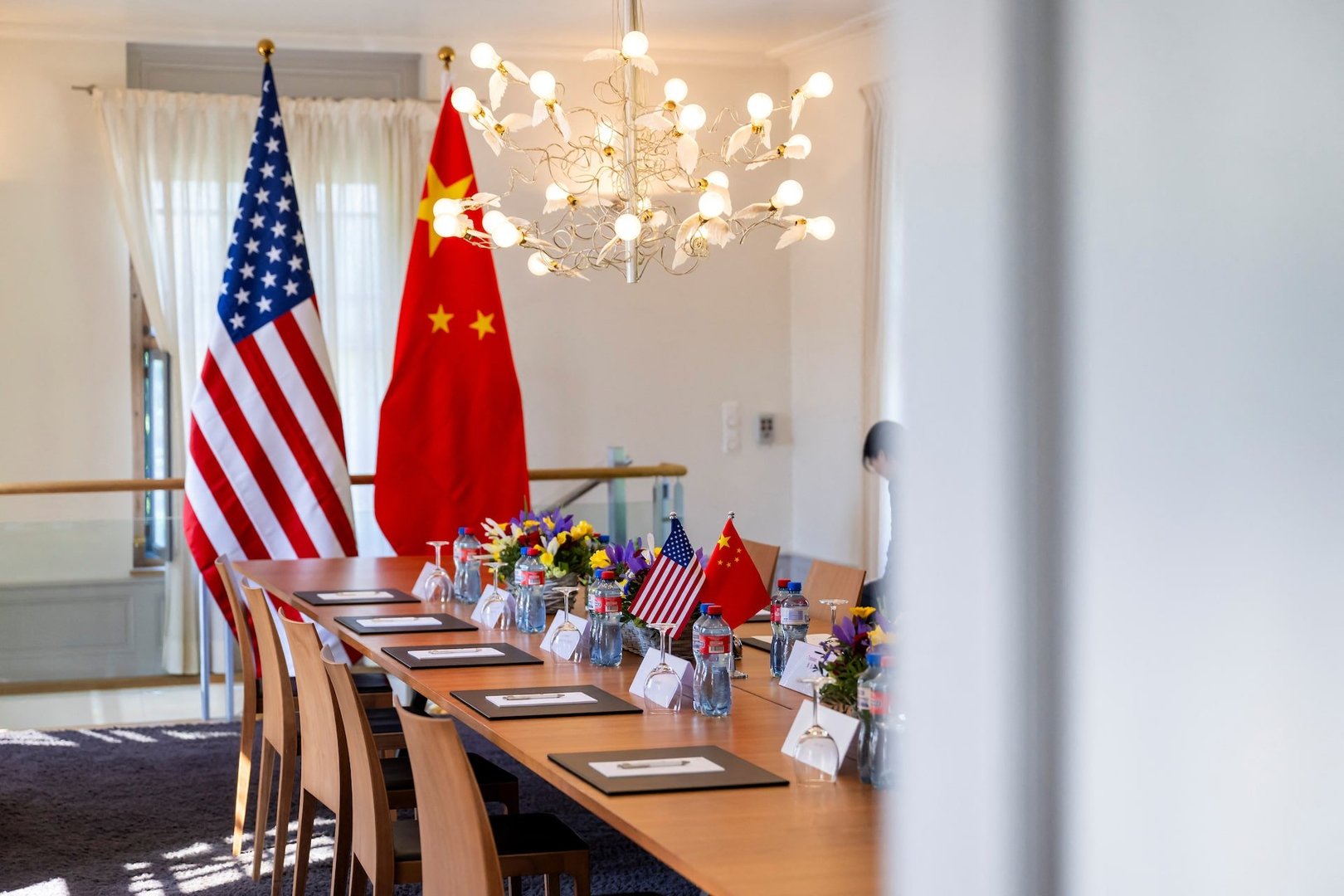
Recent strategic withdrawals by a major global power from various multilateral organizations and agreements are sending shockwaves through the international community. This unilateral disengagement is not happening in a vacuum; it triggers a complex chain reaction affecting global governance, climate action, trade, and security alliances.
The immediate consequence is the creation of significant funding gaps. International bodies, from the United Nations to specialized agencies like the World Health Organization (WHO), face severe budget shortfalls as a key contributor steps back. This jeopardizes critical programs, from peacekeeping missions to global health initiatives and climate finance mechanisms like the Green Climate Fund. Other nations are now compelled to increase their contributions to fill this void, leading to a reshuffling of financial influence and voting power within these institutions. This recalculation of budgetary burdens inevitably alters the balance of power on global platforms.
Simultaneously, the architecture of international rules is being destabilized. Withdrawals from bodies governing trade, commodities, and environmental standards create uncertainty. The collaborative frameworks that smoothed global commerce and set common standards are weakened, forcing nations and trading blocs to renegotiate terms bilaterally or within smaller groups. This fragmentation makes international cooperation more cumbersome and less predictable.
The geopolitical landscape is undergoing a significant shift. Traditional allies express profound disappointment and concern, viewing these actions as an abandonment of shared responsibilities and a weakening of the multilateral system that has underpinned global stability for decades. This disillusionment damages the perceived reliability and soft power of the withdrawing nation. Conversely, other major powers and blocs see their strategic space and influence expand. They are presented with an opportunity to assume greater leadership roles, advocate for their preferred policies, and shape new norms in forums from climate negotiations to security councils. The global governance system is thus moving decisively away from a unipolar model towards a more contested, multipolar reality where influence is more diffuse and alliances are in flux.
Honestly, the focus on ‘soft power’ loss is overblown. Real power comes from economic and military strength, not from being popular at the UN. If focusing inward makes our economy stronger and our military more advanced, that’s real power. All this hand-wringing about global governance is just elite chatter. Most people care more about jobs and security at home.
I call nonsense on the idea that our allies are just “disappointed.” They’re furious and scared. We’re breaking trust built over generations. When the next crisis hits, they’ll remember who walked away. Partnerships are built on reliability, and we’re proving to be an unreliable partner. This will have long-term security and economic costs far exceeding any saved membership dues.
This is a terrifying and shortsighted strategy. Abandoning the very institutions we helped build doesn’t make us stronger; it isolates us and cedes the playing field to others. Who do they think will fill the leadership vacuum? Certainly not actors with our interests at heart. This isn’t “putting America first,” it’s putting America on the sidelines during the most critical global challenges of our time, from pandemics to climate change.
The climate funding gap alone is a disaster. The Green Climate Fund is crucial for helping developing nations transition. A $3 billion hole? That’s not just a budget line item; that’s concrete projects, clean energy installations, and climate resilience programs that won’t happen. It’s a direct blow to global climate efforts, and pretending otherwise is irresponsible.
Finally, some sanity! We’ve been bankrolling these bloated international bureaucracies for decades, getting little in return but rules that hamstring our economy. It’s about time we stopped being the world’s policeman and ATM. Let other countries pay their fair share and see how they like running the show. Maybe competition between different visions of governance will lead to better, more efficient outcomes.
The analysis about shifting influence is spot-on. You can’t just vacate a seat at the head of the table and expect it to remain empty. Other nations are already calculating how to increase their sway. The reallocation of UN budget shares is just the most visible metric. The real change will be in agenda-setting and norm creation over the next decade.