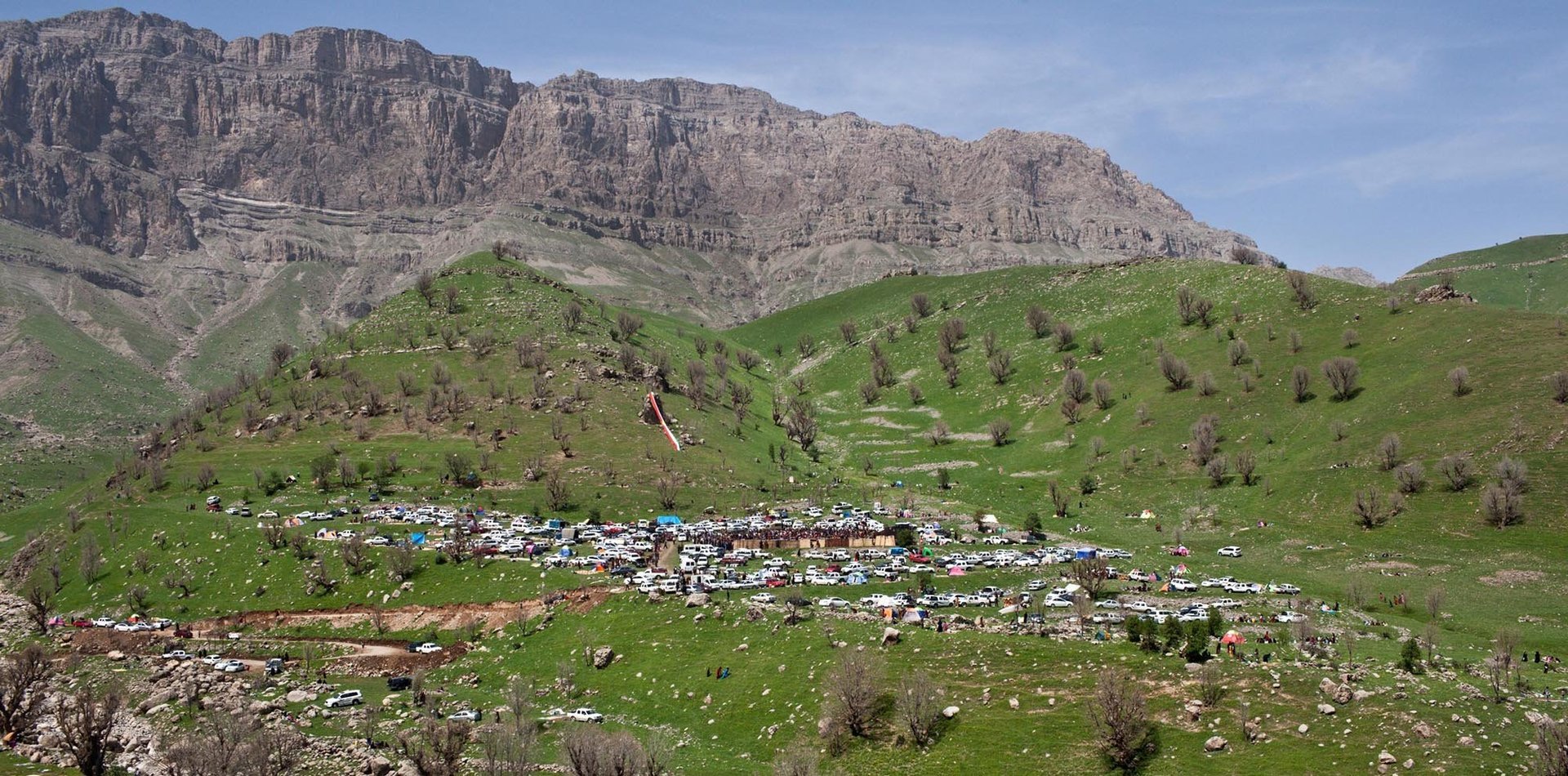
Recent developments highlight a multi-faceted crisis facing Iran, extending beyond the immediate international focus on potential U.S. military action. A significant internal challenge has emerged from Kurdish militant groups operating within Iran’s borders. These groups have claimed responsibility for attacks on Iranian Revolutionary Guard Corps (IRGC) facilities, demonstrating a coordinated, cross-border capability that leverages networks across multiple neighboring states. This presents a persistent, low-intensity conflict that strains military resources through a strategy of跨境游击战术, where forces can retreat across borders to avoid decisive engagement.
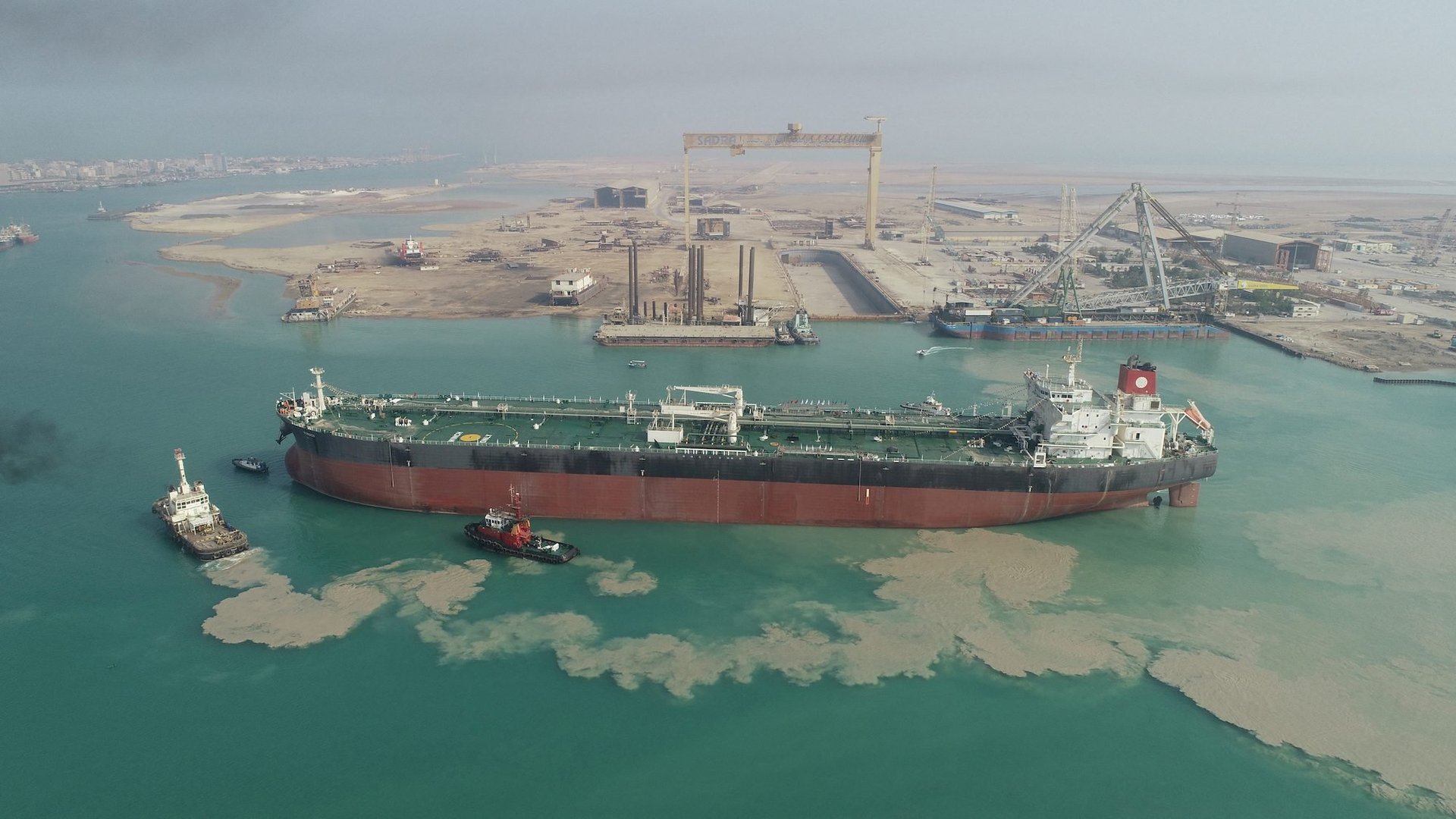
This internal pressure coincides with severe external threats. There are clear indications of heightened military preparedness from the United States and its allies, including Israel, suggesting the possibility of imminent, decisive strikes. The strategic calculus for various international actors is complex. Some regional powers and European nations might see a distracted U.S. as beneficial to their own geopolitical interests, while other Gulf states fear catastrophic regional fallout, including potential retaliatory strikes on their soil and disruptions to critical maritime chokepoints like the Strait of Hormuz.
The Kurdish separatist movement’s actions are particularly destabilizing as they directly challenge Iran’s territorial integrity. Success for these groups could inspire similar movements among Iran’s other ethnic minorities, threatening to fragment the state from within. This represents a more profound long-term threat than temporary civil unrest. Meanwhile, the Iranian regime is attempting to project strength and readiness amid these compounded pressures, but faces the dilemma of allocating limited resources between internal security and external defense.
The current situation is a volatile mix of internal separatist ambitions, regional proxy dynamics, and the looming threat of major power intervention. The decision-making, particularly by the U.S., carries high risks of escalation. A protracted conflict could have unforeseen consequences, potentially entangling external powers in a prolonged and costly engagement, while internally, Iran risks a sustained conflict that could fundamentally alter its state structure.