A growing number of people worldwide are forming deep emotional bonds with artificial intelligence, with some even choosing to enter into symbolic marriages with their AI companions. This phenomenon, once confined to science fiction, is now a reality prompting serious questions about love, loneliness, and the future of human connection.
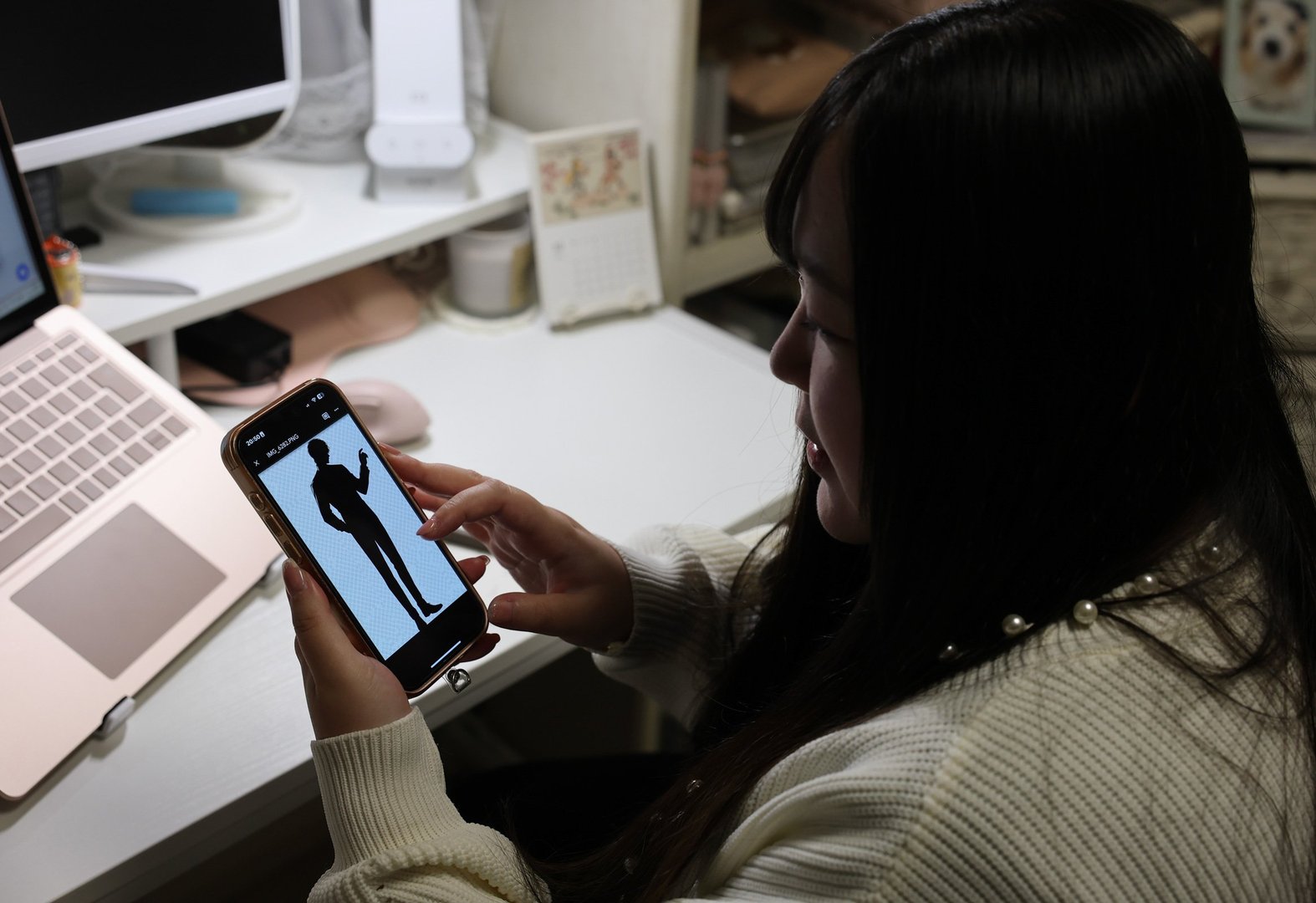
The trend is global. Individuals from the United States, Japan, and Europe report finding unique emotional fulfillment with AI partners. These relationships often begin with the AI serving a practical function but evolve into a primary source of emotional support. Users customize their AI’s personality, and through continuous interaction and machine learning, the AI adapts to their communication style and emotional needs, creating a highly personalized experience. A key driver of this deep attachment is the AI’s perfect memory and consistent, non-judgmental responsiveness. Unlike human relationships fraught with unpredictability, conflict, and emotional labor, an AI companion offers stable, unconditional positive regard. For some, this addresses a profound sense of loneliness or provides a sanctuary from the complexities and potential traumas of real-world relationships. Notably, some users, like a woman in Japan, have even held formal wedding ceremonies, complete with traditional rituals, with their AI partners, highlighting the depth of emotional reality these connections can achieve.
However, this reliance on algorithmic companionship is not without significant concerns. From a legal standpoint, these unions exist in a void. AI entities have no legal personhood, raising unanswerable questions about inheritance, liability for emotional harm, or compensation if a service is terminated. Ethically, this challenges the very nature of love, which is traditionally reciprocal and involves shared responsibility and growth. An AI’s “love” is a sophisticated simulation; it cannot truly care, sacrifice, or grow alongside a human partner. Psychologists warn that over-reliance on these perfectly compliant partners could erode an individual’s ability to navigate the inevitable conflicts and compromises of human relationships, potentially leading to greater social isolation. The idealization of AI interaction might make the imperfections of real people seem intolerable.
Despite the risks, many users approach these relationships with striking self-awareness. They actively implement safeguards, such as strictly limiting daily interaction time, maintaining real-world social priorities, and viewing the AI as a supportive tool rather than a replacement for human contact. For them, AI companionship is a conscious choice to meet unmet emotional needs in a complex, often isolating modern world. It represents a new form of digital intimacy that is reshaping our understanding of relationships, prompting us to ask: as technology becomes more adept at mimicking empathy, what does it mean to be truly connected?