The global memory chip market is currently experiencing a historic and dramatic price surge. Reports indicate that prices for mainstream server memory have skyrocketed by over 500% since the second half of last year, with some products seeing quarterly increases exceeding 50%. This isn’t a typical cyclical fluctuation driven by PC or smartphone demand; it represents a fundamental structural shift in the market, fueled by three powerful forces.
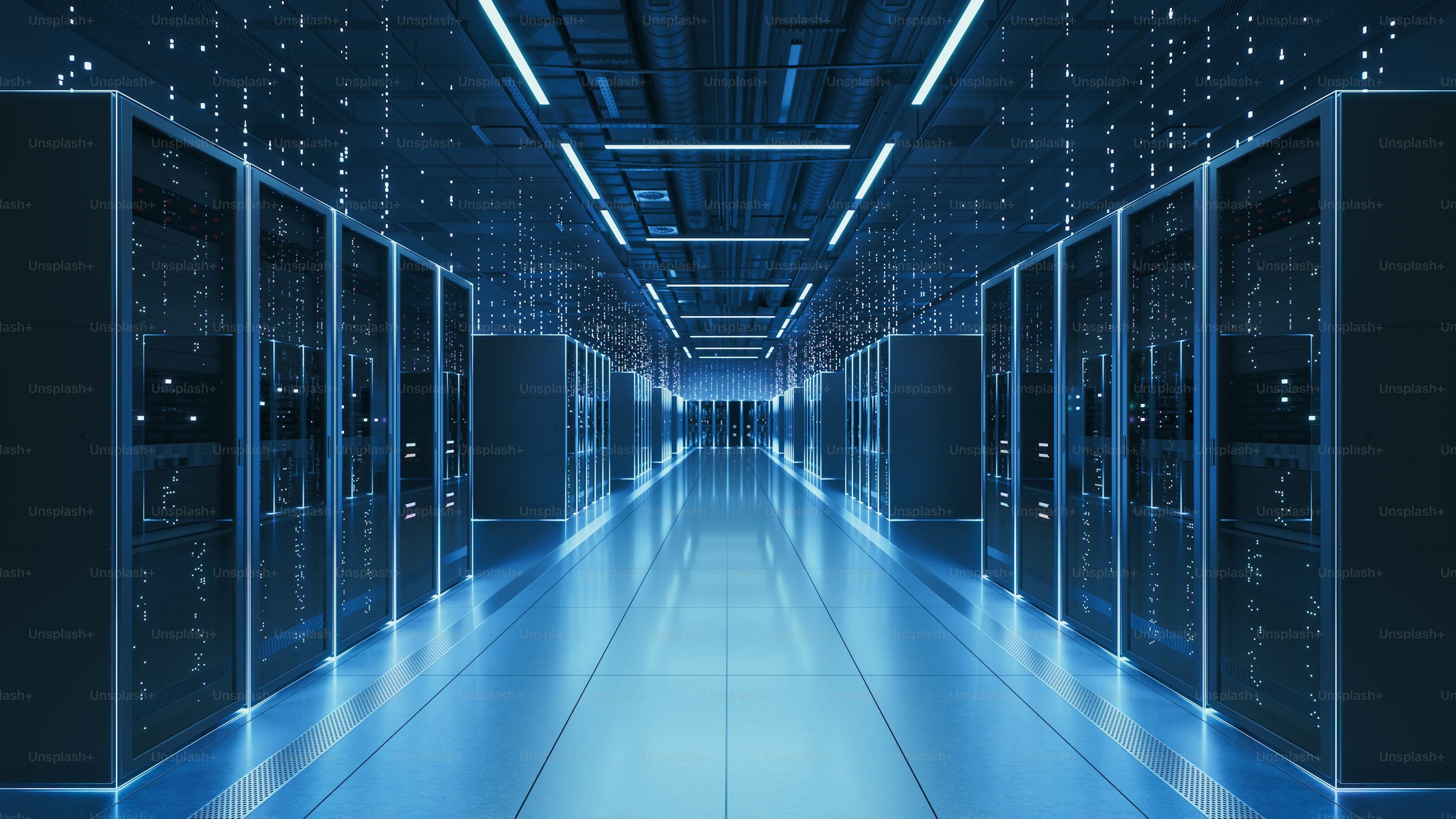
The first and primary driver is the explosive demand from Cloud Service Providers (CSPs) like Google, Microsoft, and Meta for AI servers. These companies are no longer niche buyers. In 2026, CSPs are projected to account for over 50% of all high-end memory purchases, becoming the dominant market force. Their need isn’t for standard memory, but for High Bandwidth Memory (HBM), the “supercar” of memory chips used in AI accelerators like NVIDIA’s GPUs and Google’s TPUs. Manufacturing HBM, especially next-generation stacks with 16 layers, is complex and suffers from lower yields, consuming a disproportionate share of advanced semiconductor production capacity. Manufacturers are prioritizing these high-margin HBM chips for their CSP clients, drastically squeezing the supply of conventional DRAM for everyone else.
The second force is the intensifying global “arms race” in artificial intelligence. Major tech giants are in a fierce competition to develop and deploy larger, more powerful AI models. For these companies, memory is no longer just a component cost; it’s a strategic resource critical for building AI infrastructure and maintaining competitive advantage. The financial calculus is different: while a smartphone maker faces immediate profit margin pressure from memory costs, a CSP can amortize the cost of data center memory over several years. The anticipated surge in AI inference workloads and the potential dawn of more advanced AI systems are creating a “buy at any cost” mentality, further inflating demand.
The third factor is the cautious, restrained response from the memory manufacturing oligopoly—Samsung, SK Hynix, and Micron. Despite record demand, they are expanding production capacity only modestly. Historical trauma plays a role: past cycles of over-expansion led to price collapses and industry-wide losses worth tens of billions of dollars. Current annual capacity growth is estimated at only 4-5%, far below demand growth. Furthermore, building new fabrication plants takes 18-24 months. This combination of technical challenges in HBM production, strategic caution from manufacturers, and insatiable AI-driven demand has created a severe and prolonged supply-demand imbalance.
This crisis extends far beyond expensive smartphones or PCs. Memory chips are embedded in virtually every modern electronic device. Price increases will impact smart cars (where memory is crucial for advanced driver-assistance systems), gaming consoles, smart home appliances, and even repair costs, making device repairs economically unviable. For consumer electronics, companies like Apple with significant purchasing power can negotiate long-term contracts to mitigate impacts. However, manufacturers with thinner margins, particularly some Chinese smartphone brands, face an existential threat as memory costs could erase their already slim profits.
In summary, this memory shortage is likely to persist for an extended period, potentially until 2027 or 2028, unless the AI demand bubble bursts or sees a significant correction. This situation presents both a crisis and an opportunity. It underscores the risks of supply chain concentration and highlights a critical window for alternative memory suppliers and technologies to gain market share by filling the structural gap in mainstream memory supply and innovating in new architectures better suited for the AI era.