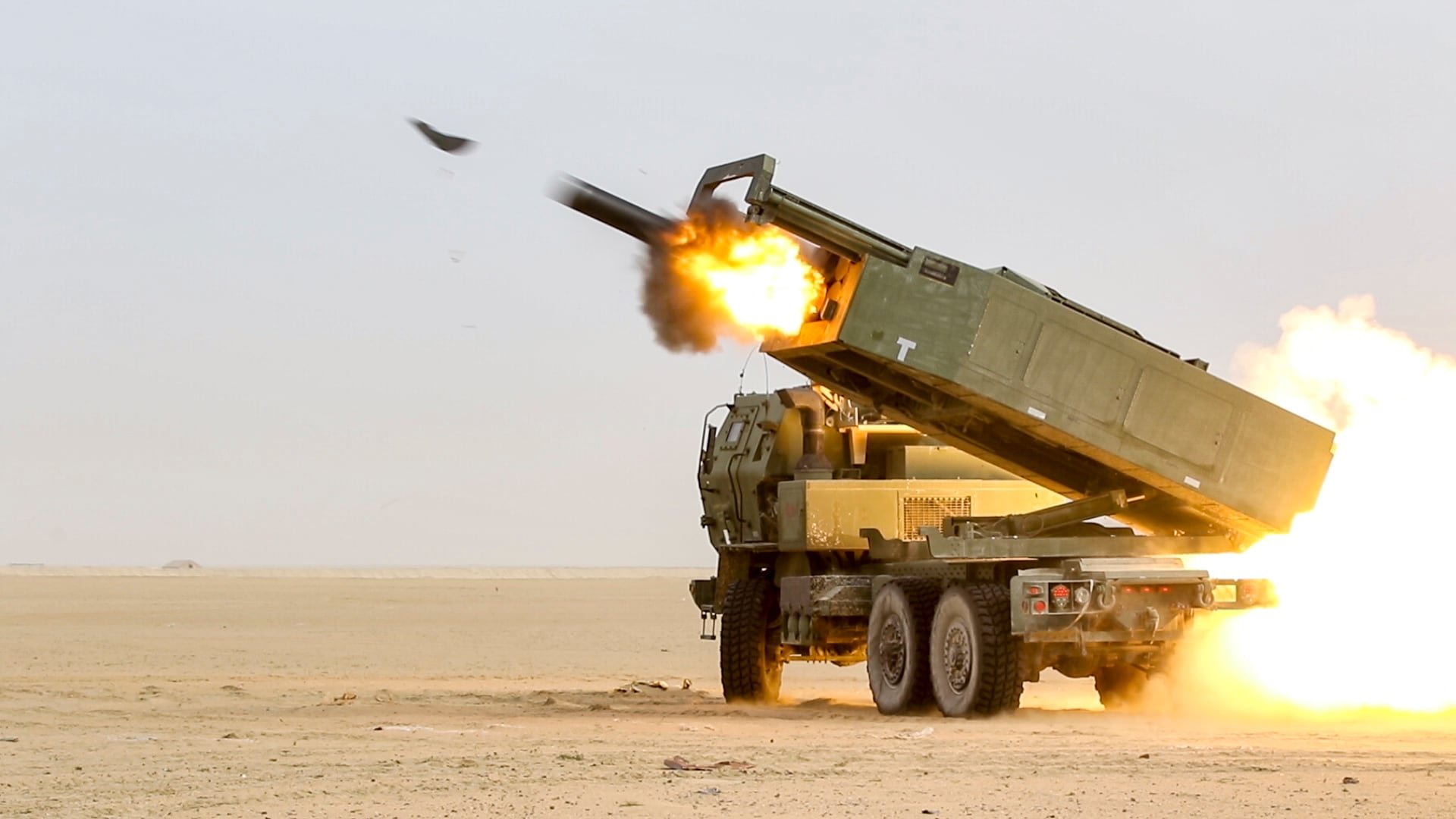
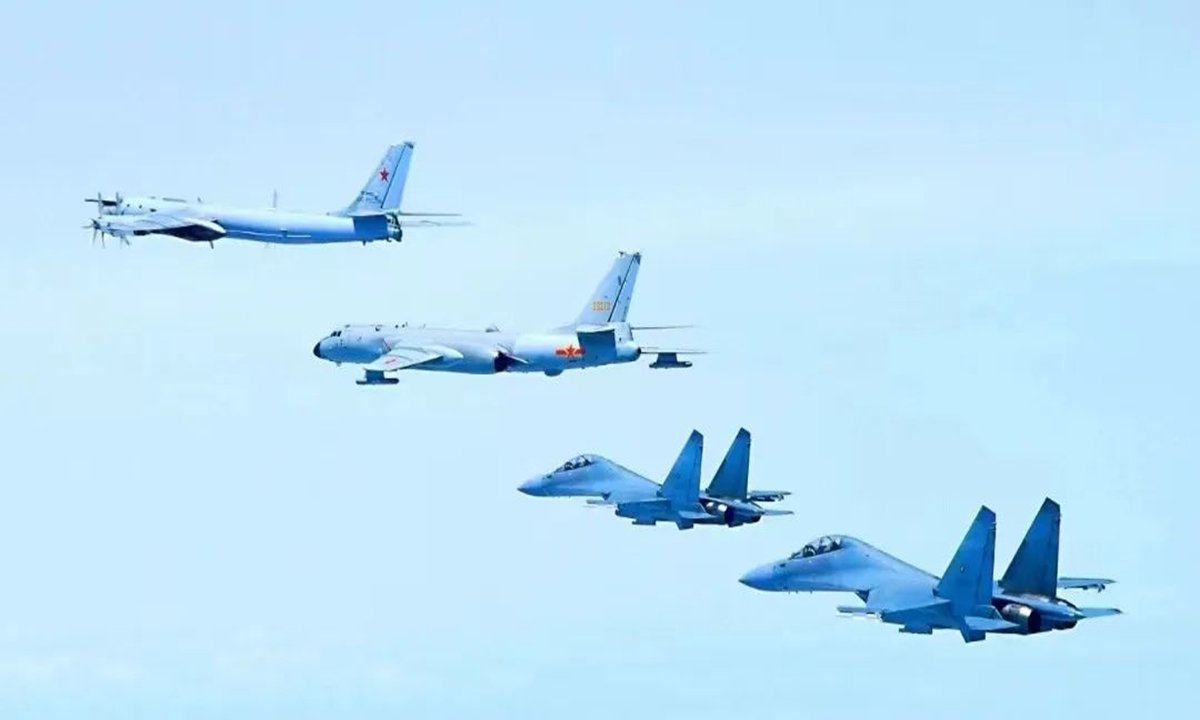
Recent large-scale military exercises conducted near Taiwan have raised significant questions about their strategic objectives and potential real-world applications. The drills appear to focus heavily on testing integrated joint operations and long-range strike capabilities, specifically employing rocket artillery systems.
A key feature of these exercises is the demonstration of封锁 capabilities. The operations simulate scenarios aimed at severing potential external support routes through naval and aerial dominance before any ground forces are mobilized. The use of long-range multiple launch rocket systems (MLRS) in live-fire drills targeting areas near key maritime zones is particularly notable. This showcases a potential strategy of employing large volumes of relatively low-cost, precision-guided munitions to overwhelm more expensive, high-value defensive systems. The challenge for a defending force is significant, as intercepting such a high volume of rockets with traditional missile defense systems like Patriot batteries is both cost-prohibitive and technically difficult due to the differing flight profiles.
Furthermore, the exercises emphasize sustained aerial pressure. The involvement of aircraft with long endurance, supported by aerial refueling, points to tactics designed to force a defending air force into a state of constant alert and high operational tempo. This can lead to accelerated fatigue for both personnel and equipment. The exercises also test command and control structures, pushing defending forces to make rapid decisions regarding engagement rules as simulated threats approach territorial boundaries. While much media coverage highlights dramatic imagery, often created with long-lens photographic compression, the underlying operational patterns—persistent patrols, multi-axis pressure, and electronic warfare restraint to avoid revealing sensor signatures—present a sustained and methodical challenge. The evolution of these drills over several years suggests a continuous process of refining operational concepts and identifying perceived vulnerabilities in regional defense postures.
The point about electronic warfare and “soft kill” options like GPS jamming is crucial and often under-discussed. The conflict in Ukraine has shown how effective such measures can be against precision weapons. If the rockets rely on satellite guidance, disrupting that could be a far more viable and scalable defense than trying to shoot down every single rocket. Investing in robust electronic warfare and cyber defense capabilities might be a smarter allocation of resources than just buying more missiles.
I find the analysis to be dangerously one-sided, presenting the exercises purely from a threat perspective. What about the defensive nature of such preparations from the other side’s point of view? It conveniently ignores the broader geopolitical context, including arms sales and political posturing by other powers in the region. Labeling drills with dramatic names doesn’t change the fact that all nations have a right to train their militaries. This post reads less like analysis and more like propaganda designed to justify a specific political viewpoint.
While the technical observations might be valid, the entire premise feels overly alarmist. Military exercises are just that—exercises. Every major power conducts them to maintain readiness and test new equipment. Interpreting every drill as a direct rehearsal for invasion creates unnecessary tension and fearmongering. Diplomatic channels remain open, and conflating training with imminent attack is irresponsible and ignores the complex political and economic realities that make conflict far from inevitable.
The operational tempo argument is spot on. Wearing down an opponent’s air force through constant, demanding patrols is a timeless strategy. It’s not just about winning a dogfight; it’s about winning the war of maintenance schedules, pilot fatigue, and spare parts logistics. The side that can keep its planes in the air longer and its pilots sharper ultimately holds a massive advantage. This is a grinding, logistical form of warfare that doesn’t make for exciting headlines but is devastatingly effective.
This is a sobering and realistic analysis. Too often, public discourse gets caught up in the sensational headlines and dramatic photos, missing the actual military doctrine being practiced. The focus on attrition through cheap, numerous rockets versus expensive interceptors is a classic asymmetric strategy, and the sustained aerial patrols are a well-known method to grind down a defender’s resources. It highlights a critical need for innovative and cost-effective defense solutions, not just relying on traditional high-end systems.