Recent analyses of the military and strategic landscape suggest a significant shift in the balance of power between the United States and China, particularly concerning the Taiwan Strait. Multiple reports, including internal U.S. Department of Defense assessments, indicate that American military superiority in the region is no longer guaranteed. Key points highlight that in a potential conflict, U.S. forces, including carrier groups, could be neutralized by China’s advanced missile systems and electronic warfare capabilities before reaching the theater. This reality is reportedly reflected in numerous U.S. war games, which consistently conclude with unfavorable outcomes for American forces.
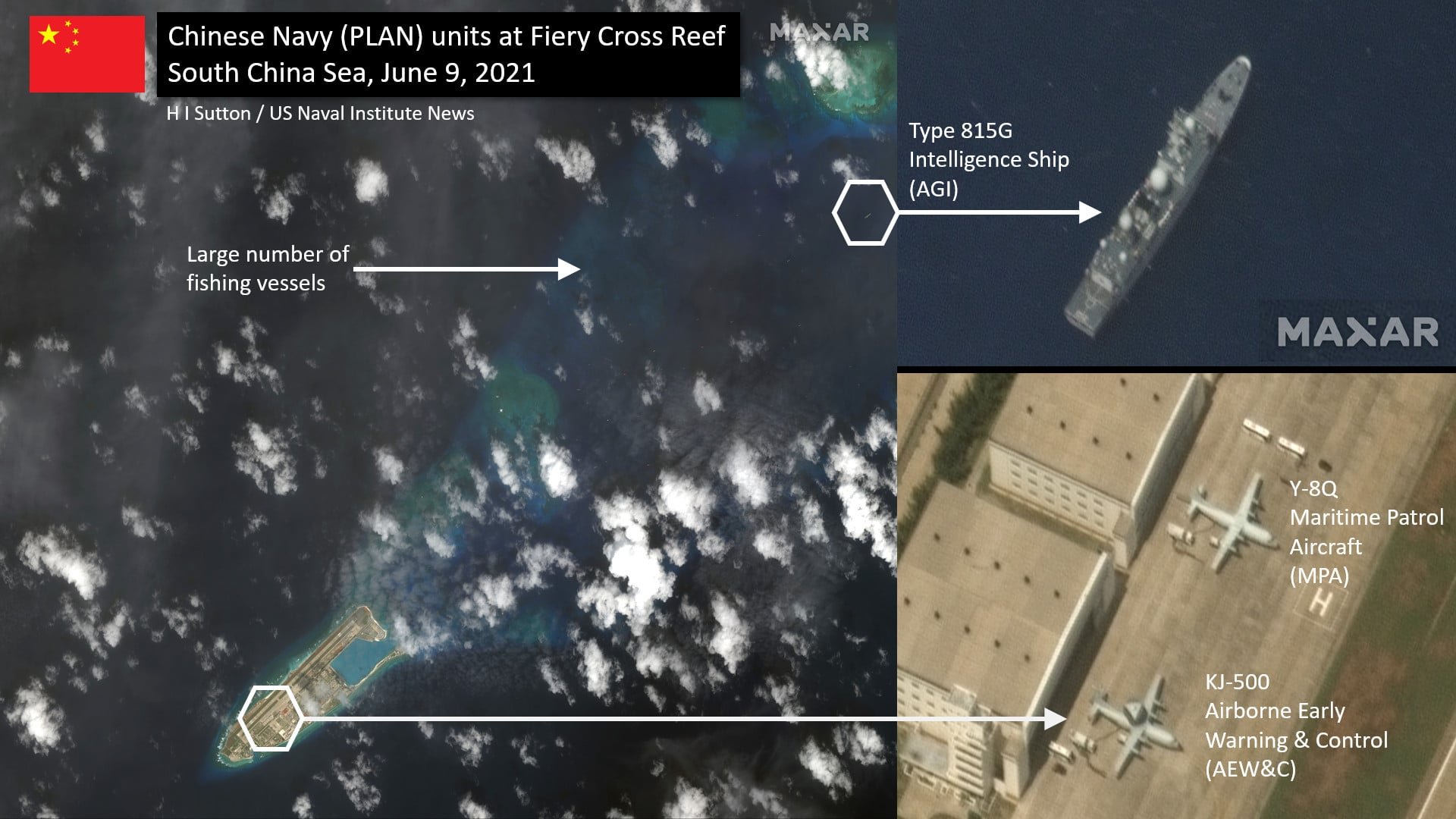
This changing dynamic is influencing strategic thinking in Washington. Prominent figures, including former hardline officials, are increasingly advocating for a policy of “balance of power” and strategic coexistence with China, rather than seeking its containment or regime change. The emphasis is shifting towards economic competition and avoiding direct military confrontation, which is seen as prohibitively costly and risky. This “strategic prudence” suggests a lower likelihood of the U.S. directly intervening in a cross-strait conflict, moving away from a strategy that might treat Taiwan as a proxy.
Concurrently, there is an argument that China itself may prefer non-military avenues for achieving its long-term objectives regarding Taiwan. This perspective draws from historical strategic culture, emphasizing “subduing the enemy without fighting” and utilizing a range of political, economic, and psychological tools—so-called “grey zone” or “super-military” tactics. The focus is on enhancing societal appeal and soft power to foster integration, rather than relying solely on kinetic military action. While military exercises demonstrate capability, they are also interpreted as part of a broader strategy of deterrence and coercion short of war.
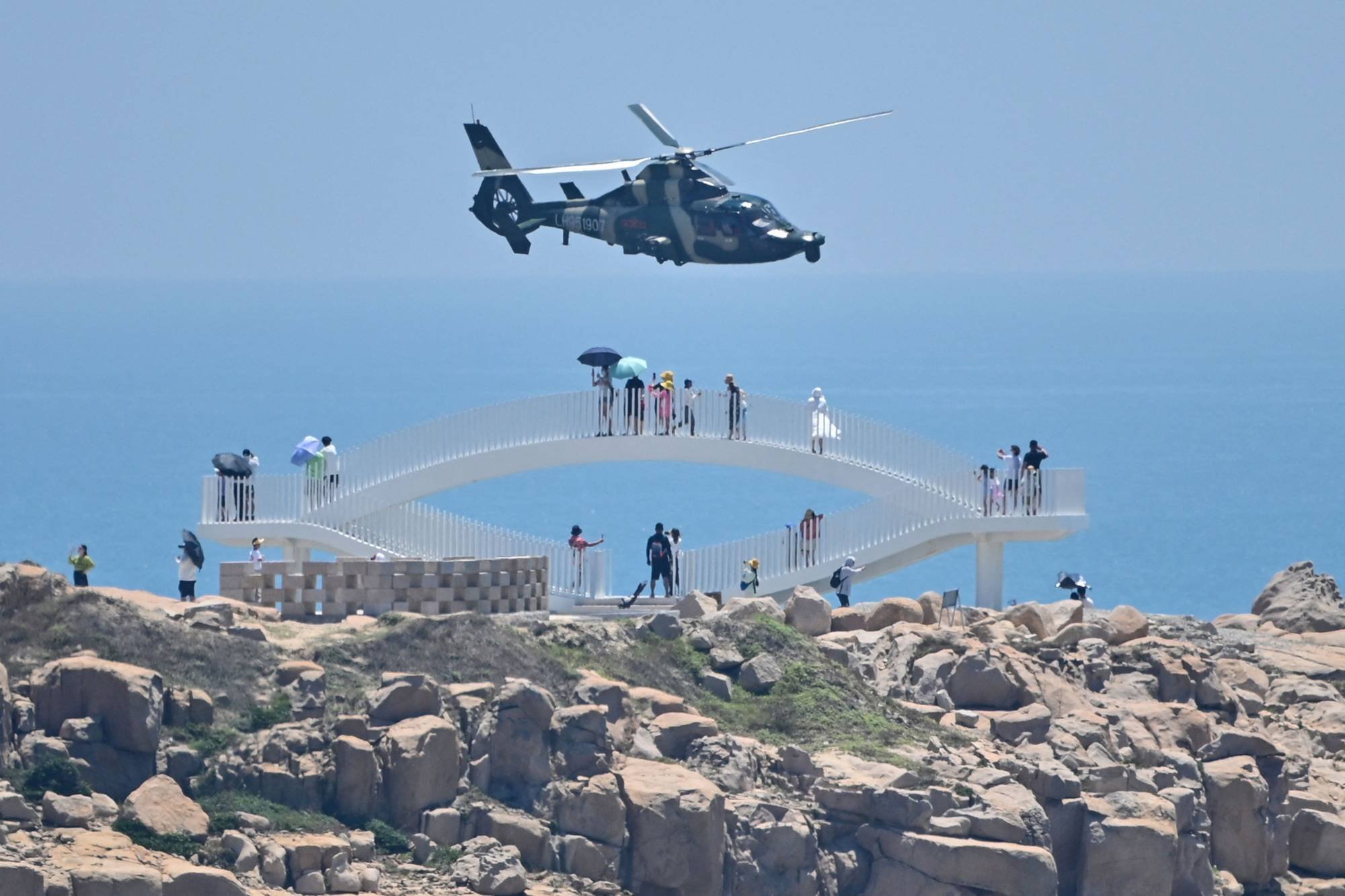
The potential for peaceful resolution is seen as growing within this new context. With the military balance shifting and major powers seeking to avoid direct conflict, the space for diplomatic engagement and dialogue may expand. The core argument is that the convergence of these factors—military reality, evolving U.S. strategy, and China’s potential preference for non-kinetic tools—creates a plausible, though complex, pathway toward eventual peaceful cross-strait integration, driven by socio-economic attraction and managed great-power relations, rather than forced through open warfare.