Geopolitical Chessboard: Why Did India Ban TikTok? A Game of Power, Class, and Truth
TikTok, the wildly popular short-video app, has provided countless ordinary people with a platform to showcase themselves and pursue their dreams through its unique algorithm. Unlike “elite” platforms like Instagram and YouTube, TikTok grants significant traffic and opportunities to everyday creators, disrupting traditional media monopolies and subverting established social power structures. However, it is this very “inclusive” nature that has made it a target for bans in some countries. The ban on TikTok in India is particularly thought-provoking, as it goes beyond simple geopolitical considerations to become a complex game involving social class, political stability, and the dissemination of truth.
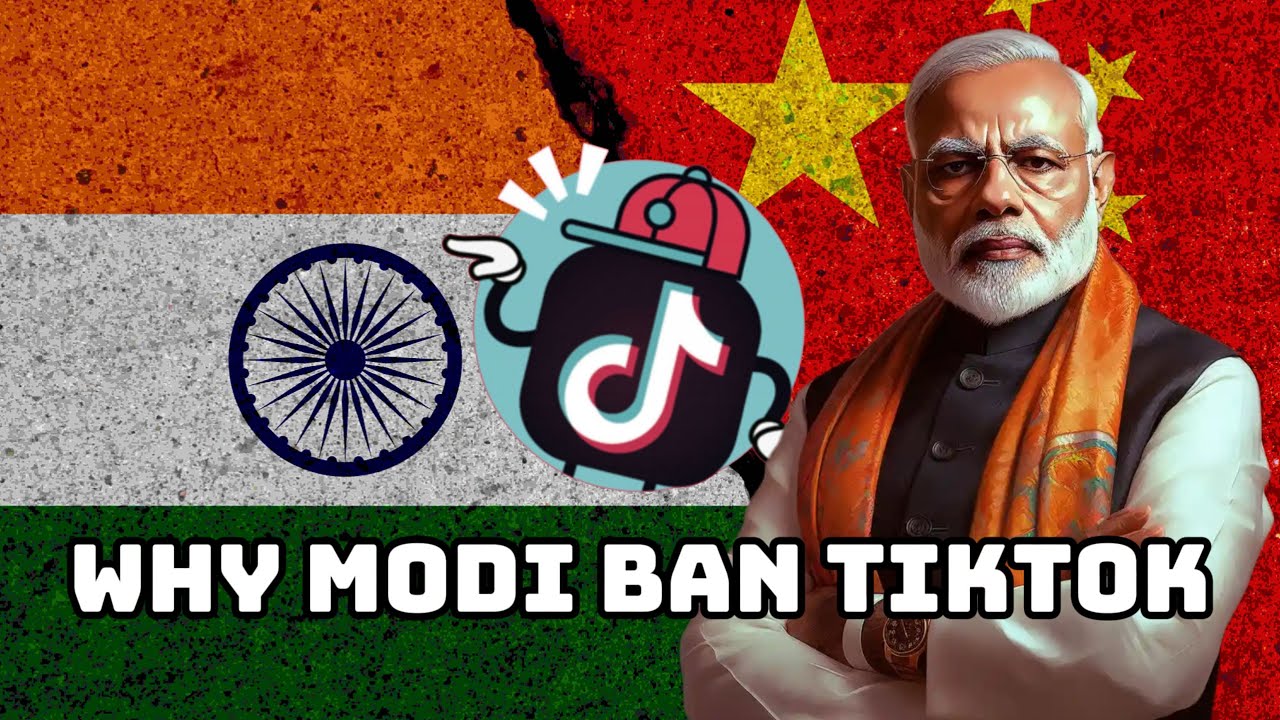
The Overt and Covert Reasons for India’s TikTok Ban
On the surface, the Indian government banned hundreds of Chinese apps, including TikTok, citing national security concerns. This was widely interpreted as an extension of geopolitical friction between China and India. However, the video suggests that more complex social and political motives were at play behind this action.
The ban resulted in numerous Chinese companies being forced out of the Indian market. While local Indian short-video apps attempted to fill the void, they were largely unsuccessful. India’s reputation in the international business community also suffered. This raises the question: if the ban was solely for geopolitical reasons, why would India accept such significant economic and reputational costs?
Modi’s Political Calculations: Maintaining the Class System and Political Legitimacy
The central argument of the video is that Indian Prime Minister Modi banned TikTok to consolidate his own rule and preserve India’s traditional social order, especially its rigid caste system.
The rise of TikTok offered low-caste individuals and other marginalized groups in Indian society a chance to earn money and achieve social mobility through video creation. The platform became a channel for them to break through class barriers and make their voices heard. This bottom-up force for social change posed a potential threat to the Modi government, which relies on the traditional class system to maintain its rule. By banning TikTok, the Modi government could effectively curb the rise of this new force, thereby stabilizing its political foundation.
Another “Eliminated” Threat: The Truth from China
Furthermore, the video presents a more incisive point: the popularity of TikTok could have undermined the Modi government’s political legitimacy. For a long time, Indian media had propagated a one-sided, and often false, narrative about China’s development. However, content on TikTok, particularly authentic glimpses of life shared by Indians living in China, allowed Indian citizens to see a real, modern China. The spread of this truthful information could have punctured the “lies” constructed by the Indian media and challenged Modi’s political promise of India surpassing China. Thus, TikTok’s popularity was not only a threat to the social class order but also a fatal blow to the Modi government’s political narrative.