In the complex world of central banking, a unique figure recently stood at the center of a profound political storm. The core conflict revolved around the fundamental principle of central bank independence versus political pressure for short-term economic gains. A key individual, trained not in economics but in law, found his resolve tested by unprecedented political threats aimed at coercing monetary policy decisions.
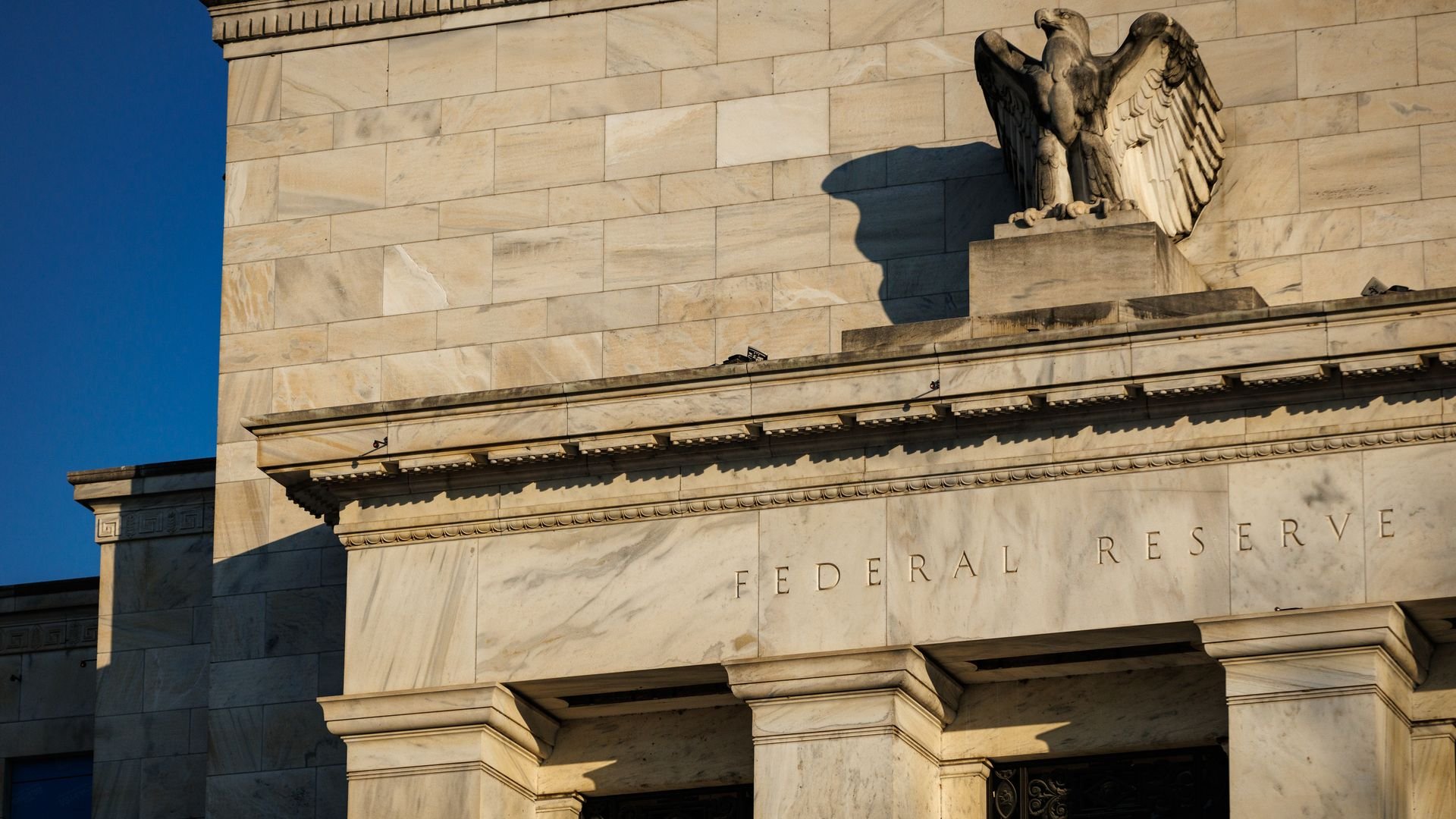
This individual’s background was atypical for the role. Unlike his academically pedigreed predecessors who relied on economic models, his mindset was shaped by legal training and hard-nosed experience in the private equity world. This background fostered a deep understanding of legal boundaries, evidence-based decision-making, and the brutal realities of financial crises—where liquidity freezes mean real companies fail and jobs are lost. This practical, non-doctrinaire approach would later prove critical.
His wealth, accumulated independently of public service, afforded him a rare form of operational independence. Not reliant on his official salary, he possessed the financial security to withstand intense political pressure that might compel others to conform. When faced with public attacks and intimidation campaigns from the highest political office designed to influence interest rate policy, his response was strategic. He avoided public confrontation, instead tirelessly building institutional support within Congress, effectively creating a political firewall. He understood that securing legislative backing was the true bulwark against executive overreach.
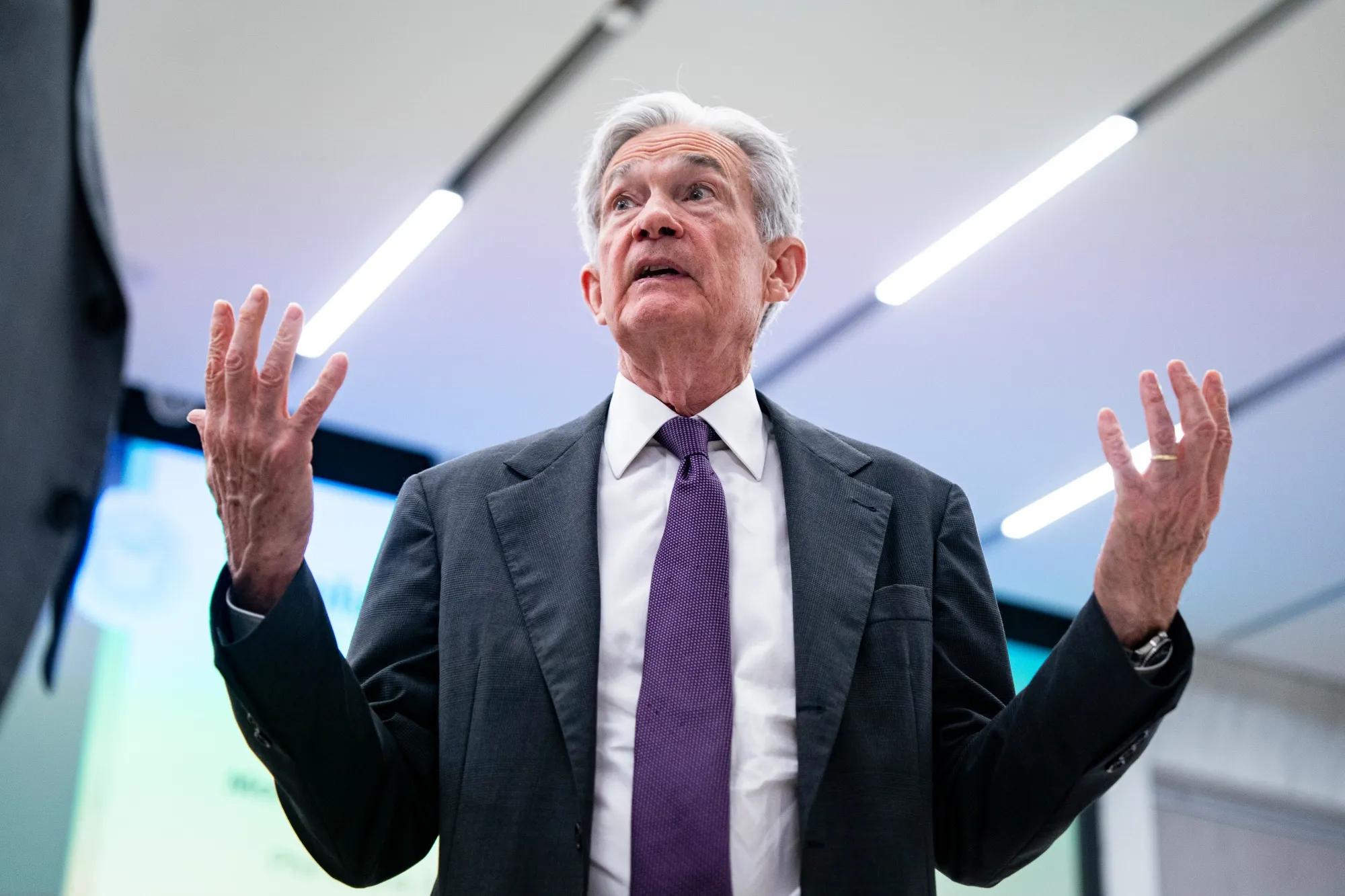
His tenure was marked by high-stakes, pragmatic calls that defied purist expectations. He was criticized for appearing to yield to pressure at times, yet these moves were often calculated insurance policies that preserved crucial policy flexibility for future crises. When a true systemic emergency struck, threatening the core of the global financial system, he demonstrated decisive action. He utilized emergency legal authorities and innovative structures to provide unlimited liquidity backstops, stabilizing markets with a clear message of support. Later, after a significant policy misjudgment on inflation, he executed a sharp, forceful pivot, publicly committing to a painful but necessary path to restore price stability, reclaiming market credibility.
The culminating confrontation involved the weaponization of legal processes. A politically motivated criminal investigation, ostensibly over minor administrative issues, was launched to intimidate and potentially remove him for not complying with demands for aggressive rate cuts. The logic was clear: force the policy change through coercion. However, this tactic risked a catastrophic backfire. Acquiescing under such a threat would permanently destroy the central bank’s credibility, proving it acted out of fear, not economic judgment. Therefore, to protect the institution’s independence and his own legacy, he was forced to dig in further, making the desired rate cuts politically impossible. The attempt to control monetary policy through intimidation ultimately risked creating a prolonged political stalemate, leaving the institution harder to influence than before.
The lesson extends beyond any single person. It highlights that in times of crisis and political polarization, steadfast defenders of institutional mandates are essential. Sometimes, the most effective guardian is not a theoretical purist, but a pragmatic realist who understands power, law, and the necessity of holding the line. True public service requires the fortitude to uphold a mandate in the face of threats, ensuring decisions are made for the long-term health of the economy, not short-term political cycles.