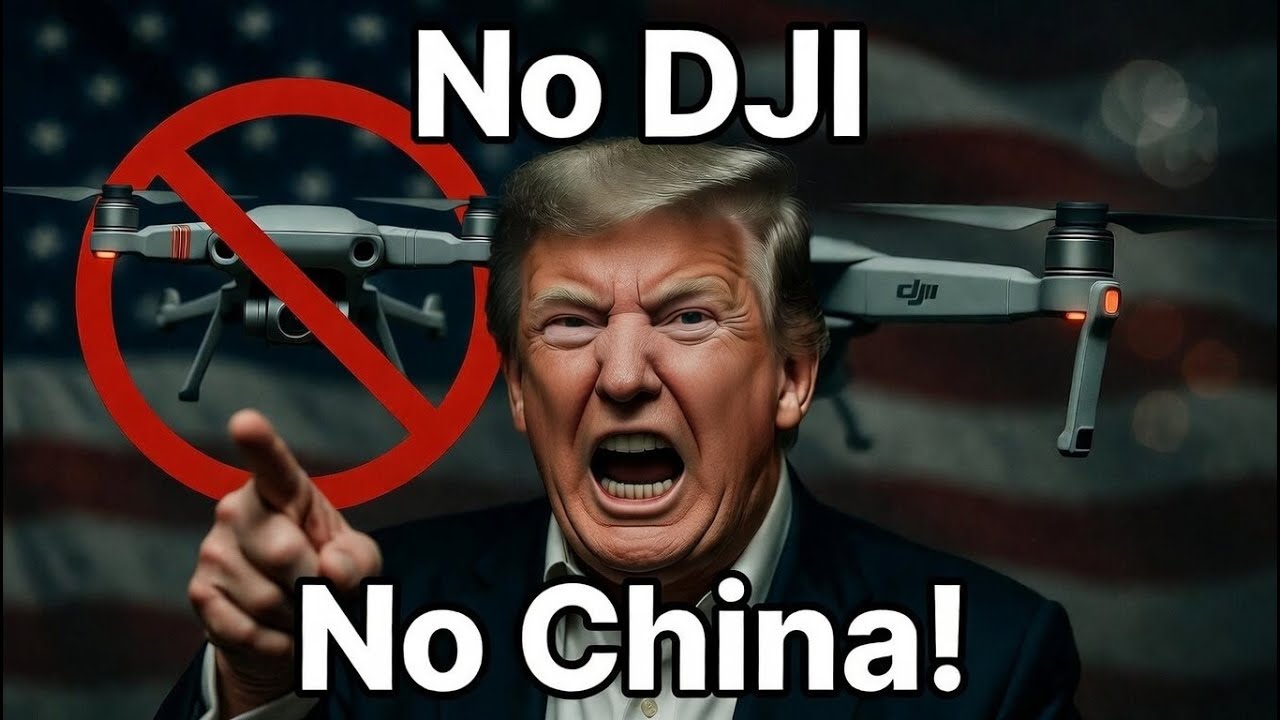
On December 22, 2025, the FCC added all new foreign drones to the Covered List. This prevents DJI and other Chinese companies from obtaining certification for new models and legally selling them in the US. Later, the FCC granted some exemptions, allowing brands from Western countries to enter the US market. This measure was essentially tailored for DJI. Other Chinese brands like Autel were also affected and lost the US market as a result.
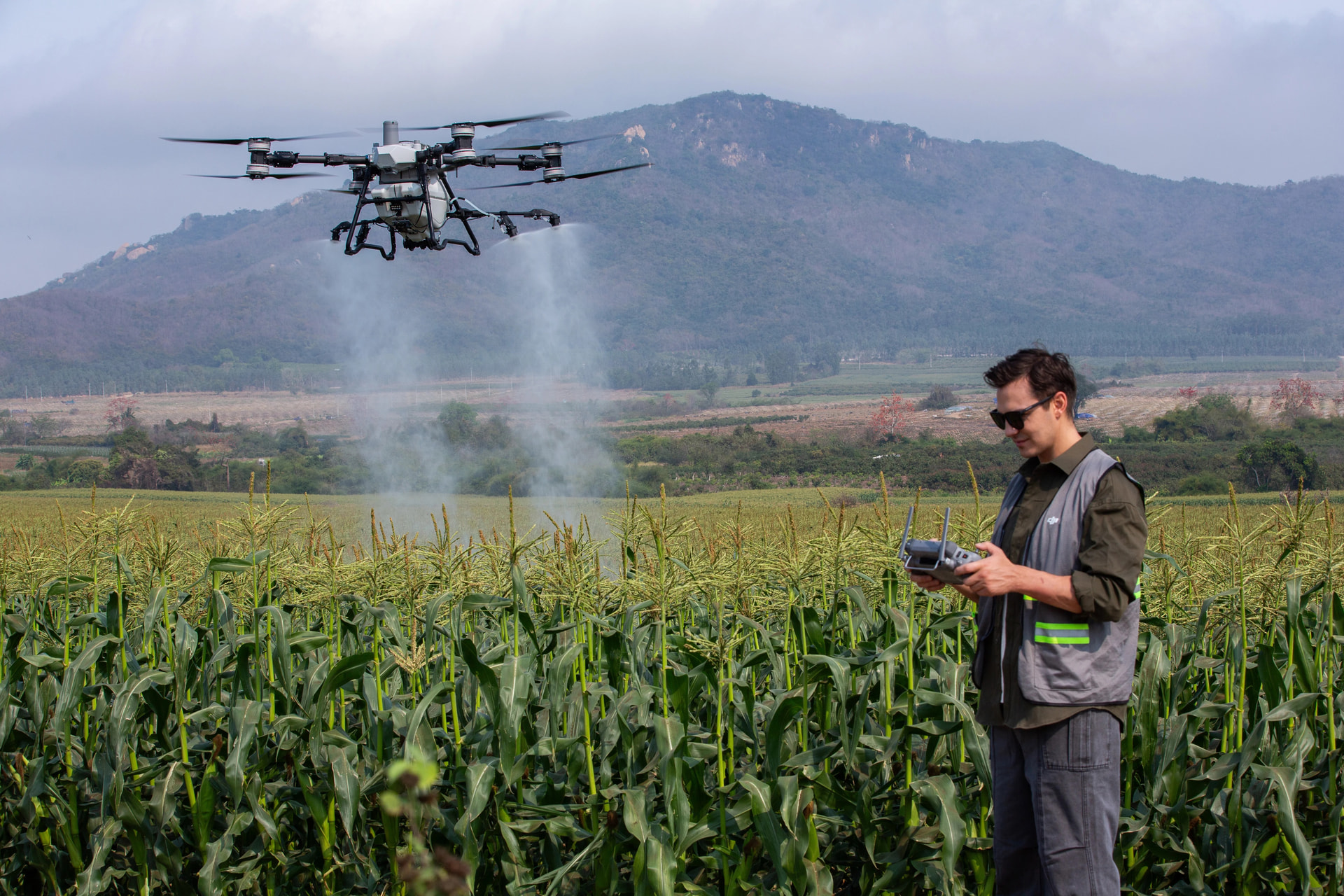
DJI holds 70 to 80 percent of the global consumer drone market and once held nearly 90 percent of the US consumer market. Farms, industrial enterprises, media, police, fire departments, and even the military in the US use large numbers of DJI drones. These drones are deeply integrated into every aspect of production and daily life, with no real substitutes available.
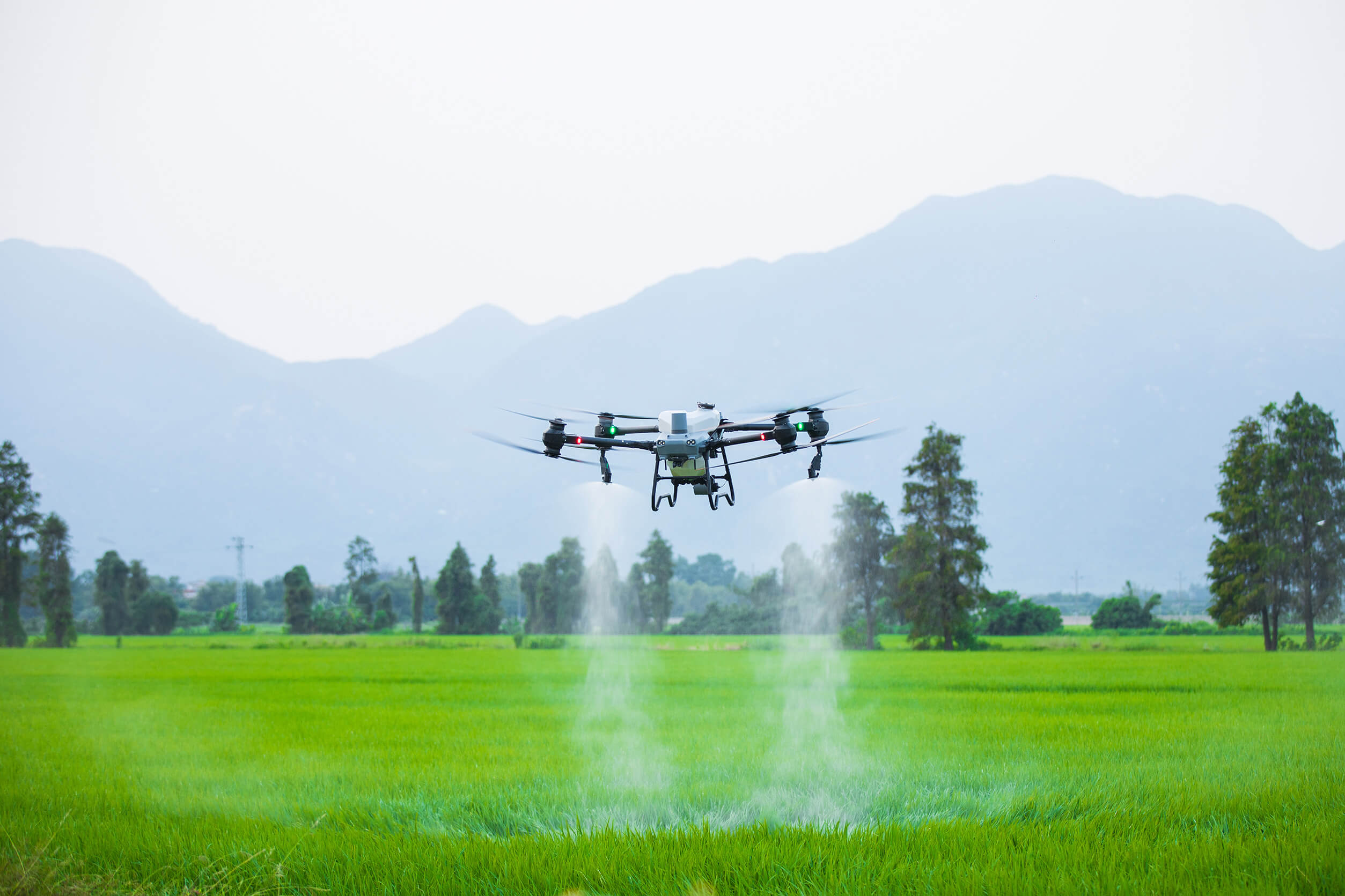
DJI is not simply a drone company. Its gimbals, cameras, microphones, software, and drones together form a complete ecosystem, creating an imaging empire. In China, many companies compete with DJI, but they usually succeed in only one specific field and find it hard to threaten DJI’s overall ecosystem. For example, Insta360 has achieved great success in the action camera field and competes directly with DJI. It has also entered the drone market with good products, but overall its threat to DJI remains limited.
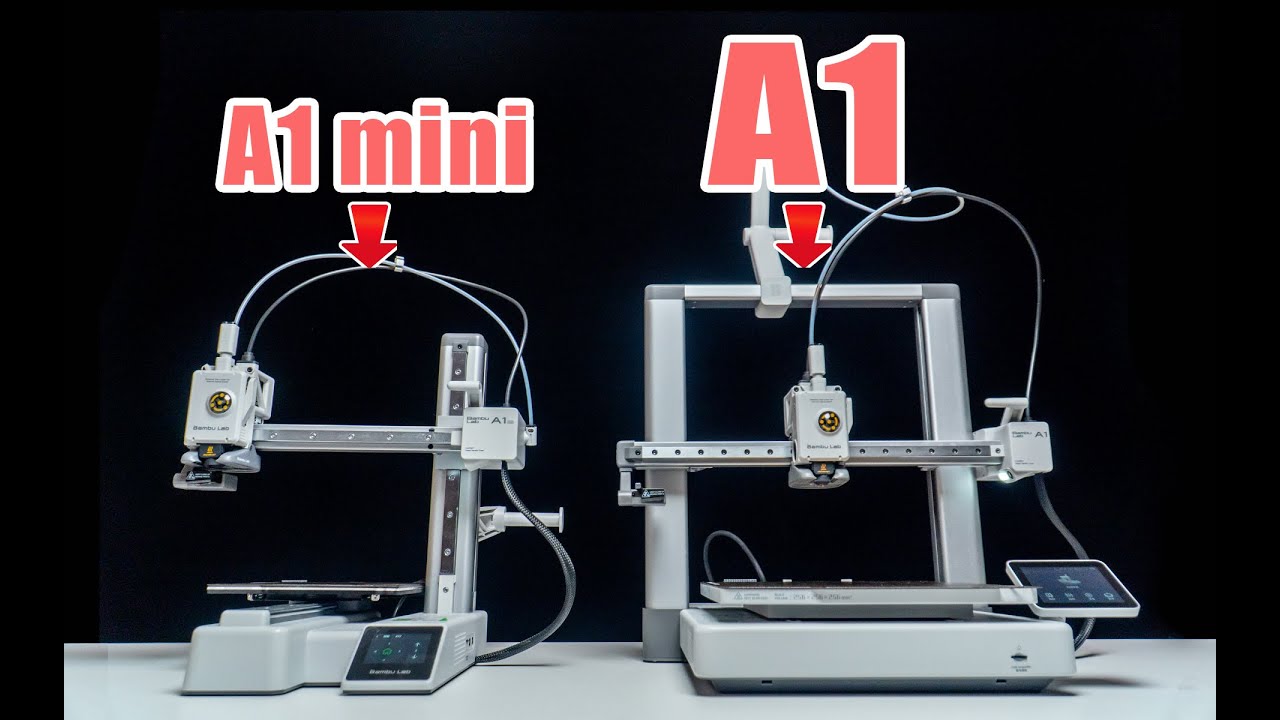
A key strength of DJI is its low-cost engineering approach, which dramatically reduces the price of professional equipment, allowing many more people to cross the usage threshold and access powerful production tools they could never imagine before. Teams that leave DJI to start their own companies often receive enthusiastic support from investors, creating a unique investment phenomenon. As mentioned earlier, Insta360 was founded by former DJI employees. Another example is the well-known 3D printing company Bambu Lab, which was also founded by former DJI employees.
The hardware research and innovation style represented by DJI is fundamentally the result of China’s complete industrial chain, vast talent pool, excellent infrastructure, unified domestic market, and society’s open attitude toward new technology. Other countries rarely have such conditions. In Shenzhen, people can rent a small office, gather a few core team members to tinker with innovative hardware, launch the first product through internet crowdfunding and live-streaming sales, reach users quickly, gather feedback, and iterate rapidly.
If the product gains significant market influence, capital quickly joins to scale production. This process is full of risks and challenges, like a large crowd crossing a single plank bridge, with countless people falling into the abyss and only the survivors reaching the other side. Those who fail are not without future chances. They return to the workforce, accumulate resources, and wait for the next opportunity, repeating the cycle.
Even winners who secure investment are far from safe. Investment terms in China are often much stricter than abroad, with heavy constraints on founding teams and frequent performance bet clauses. If the company fails, most founders end up bankrupt with massive debt. When one product gains a good market response, other companies swarm in, imitate it, and sometimes improve it further. The original innovator does not always survive the competition, even if they invented the product first.
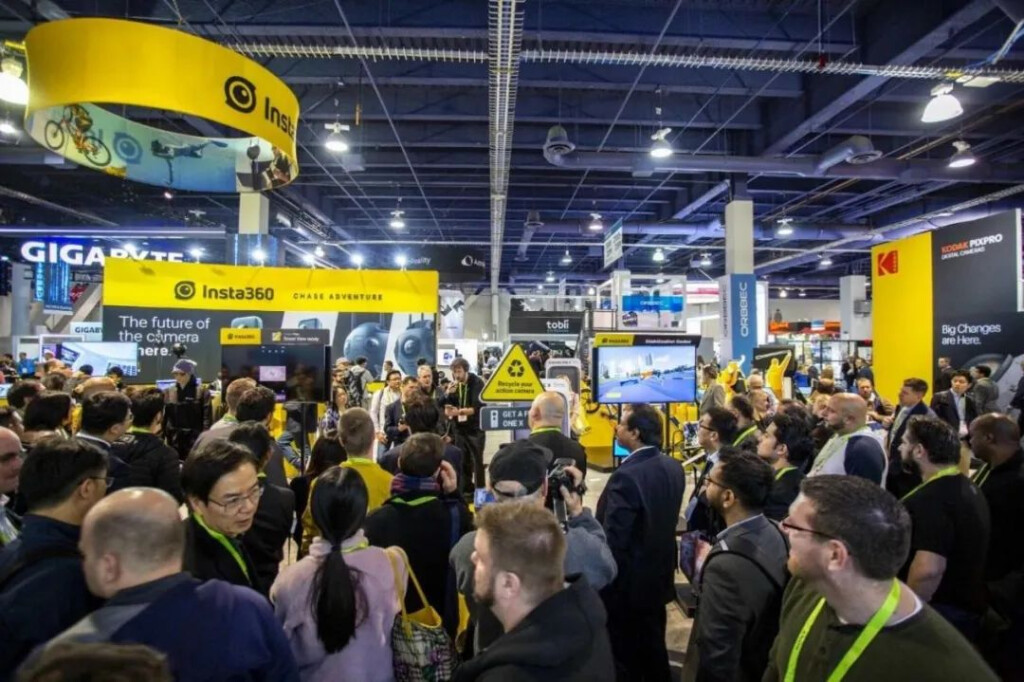
Many Chinese companies operate in high-intensity 996 mode. Competition is ruthless and the winner takes all. Chinese companies that survive fierce domestic competition often crush foreign competitors when they enter international markets. Foreigners can hardly imagine what their rivals have endured and thus suffer total defeat. GoPro once dominated the world, but under pressure from DJI and Insta360, it is now barely surviving and close to bankruptcy. It can use Chinese supply chains to make low-priced, quality products, but it lacks the ruthless competitiveness of its Chinese rivals.
The US drone market has never lacked competitors. 3D Robotics, Parrot, and GoPro all once challenged DJI, but they never experienced the brutal competition of the Chinese market and cannot match DJI’s insane iteration speed. Chinese consumers also show higher acceptance of new things than people in other countries. For example, once 3D printing demonstrated its productivity, large numbers of 3D printing farms appeared online, purchased huge quantities of machines, and provided valuable profits to 3D printing companies.
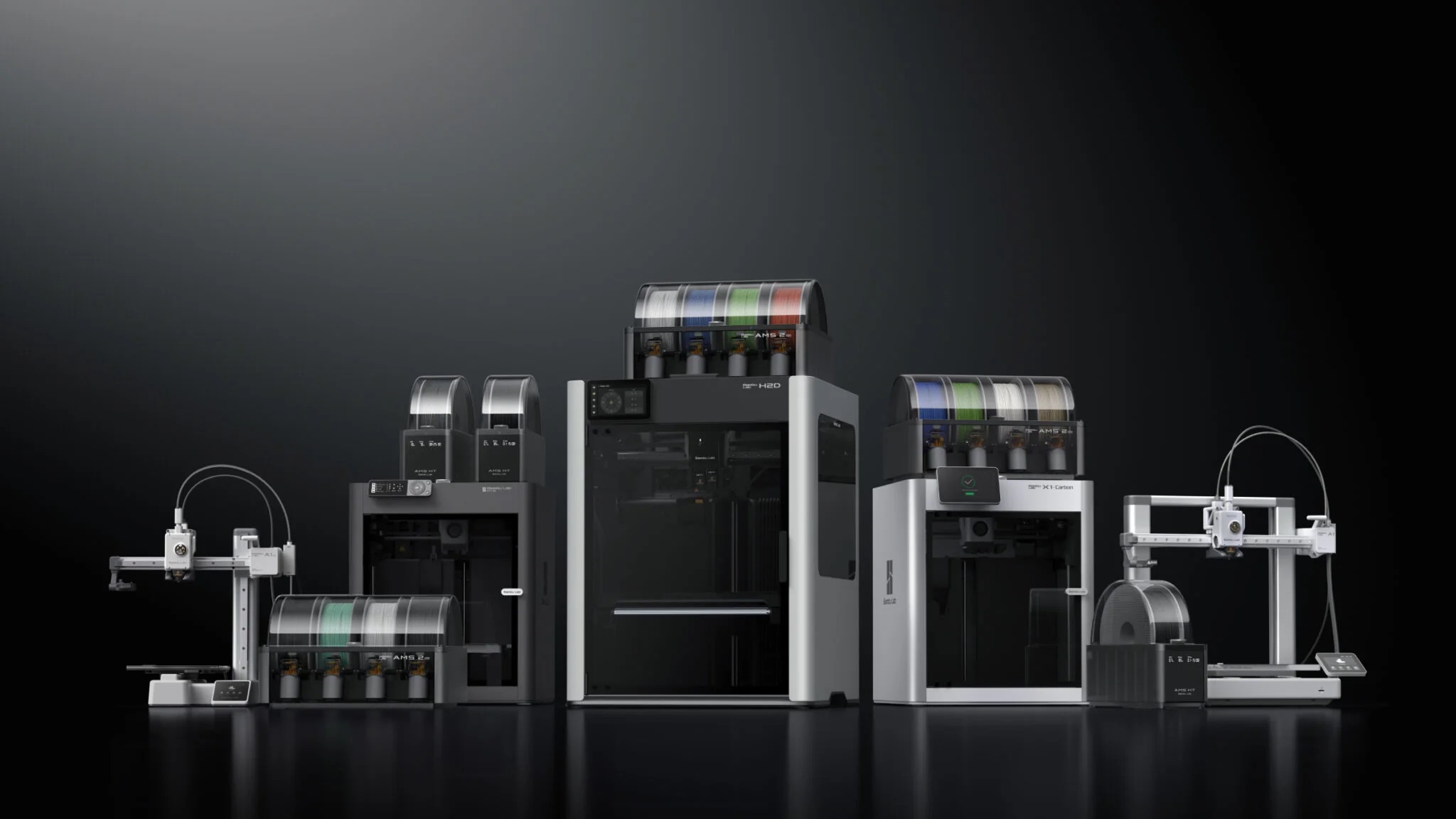
These farms then competed fiercely on service and cost performance, delivering excellent products and experiences to consumers. When consumers found 3D printed toys and tools useful, they began ordering directly from the companies, bypassing the farms, making the entire ecosystem more prosperous. However, this prosperity has one precondition: the product must be cheap. Chinese people do not have the thick wallets of Americans. Expensive items, no matter how powerful, are hard to accept in the market. This is the fundamental reason why former DJI employees founded Bambu Lab and quickly grew it into an industry leader. The essence is still China’s low-cost, efficient supply chain and rapid iteration.
The US government can drive out DJI just as it blocks BYD from entering the US market. But this also means US drone and automobile companies will forever hide under government protection and never expand beyond North America. The US, once the automobile kingdom, has seen its brands decline. In combustion engine cars, it loses to Japan and Germany. In electric vehicles, it falls behind China.
The US communication equipment market has shut the door on Chinese companies like Huawei and ZTE for the same national security reasons as with DJI. This country, notorious worldwide for eavesdropping, spreads rumors everywhere about the insecurity of Chinese telecom equipment, yet its own companies produce nothing competitive and can only survive in the government’s protective greenhouse.
Trump’s idea of reindustrialization is correct, but the execution method is extremely foolish. Rejecting competition will not make enterprises stronger. China once rejected Google, leading to Baidu becoming an internet disaster that severely hindered Chinese internet development. Now the US rejection of DJI is even more unreasonable. The Chinese government at least provided clear rules for Google to operate legally, but Google refused to comply. In contrast, DJI and other Chinese companies are fully willing to obey US laws yet they are still shut out.
I predict the US market will never see a perfect substitute for DJI. Americans with real demand will use DJI drones even through smuggling. Those drone companies developed under US government protection can only offer consumers expensive, inferior products and will never expand beyond the US market.