Recent developments in Washington have raised serious questions about the independence of the United States Federal Reserve, a cornerstone of the global financial system. The core issue revolves around the unprecedented use of a criminal investigation against the sitting Fed Chair, ostensibly over administrative matters like building renovation costs. Many observers argue this move is a thinly veiled political tactic to exert pressure over monetary policy, specifically interest rate decisions.
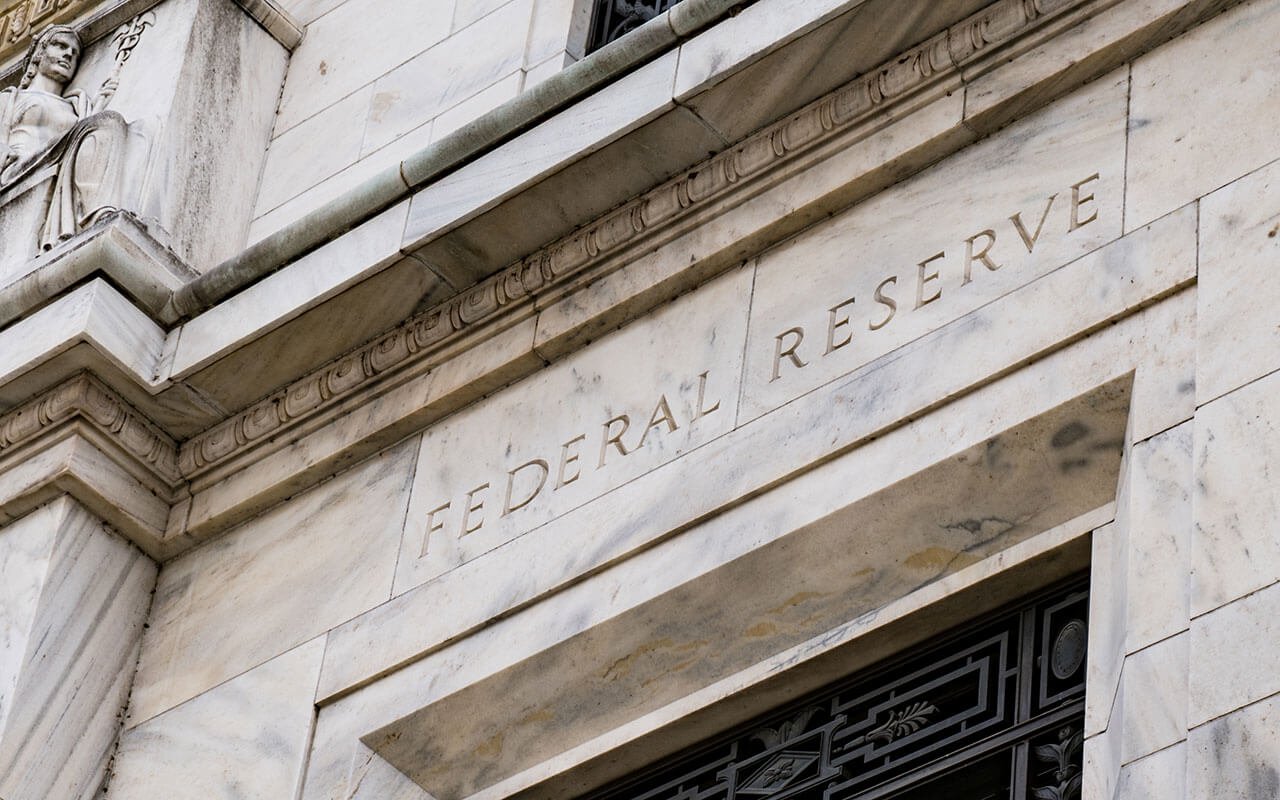
The fundamental conflict appears to be between the executive branch’s desire for lower interest rates to stimulate the economy and the central bank’s mandate to control inflation based on economic data. When a central bank’s decisions are perceived as being influenced by political pressure rather than objective analysis, its credibility suffers. Historically, maintaining central bank independence has been crucial for long-term price stability. When political short-termism overrides this principle, it often leads to higher inflation, as politicians may prioritize immediate economic boosts over sustainable growth.
This situation has profound implications beyond U.S. borders. The Federal Reserve’s policies influence global capital flows, asset prices, and inflation rates worldwide. A Fed perceived as politically compromised could undermine confidence in the U.S. dollar as the world’s primary reserve currency. Investors and other nations might seek alternatives, potentially increasing demand for assets like gold. The current confrontation highlights a dangerous precedent where legal tools are potentially weaponized in a policy dispute, challenging the very institutional safeguards designed to separate monetary policy from the political cycle.

While the immediate trigger is a debate over interest rates, the underlying struggle is for control over the levers of economic power. The outcome of this clash will signal whether the established rules of technocratic, data-driven central banking can withstand intense political pressure. The erosion of this independence could mark a significant shift in how global finance operates, moving towards a model where monetary policy is increasingly subject to the whims of the political leadership of the day, with uncertain consequences for economic stability.