The current global geopolitical landscape is undergoing an unprecedented transformation, with the relationship between China, the United States, and Russia drawing particular attention. Historically, strategic interactions between great powers have constantly reshaped the world order. However, a series of recent events, especially the conflict in Ukraine, are fundamentally altering the existing strategic balance in ways many did not anticipate. This shift, from a hypothetical “US-Russia alliance against China” to the consolidation of a real “China-Russia strategic alliance,” reveals an underlying logic that warrants a deeper analysis.
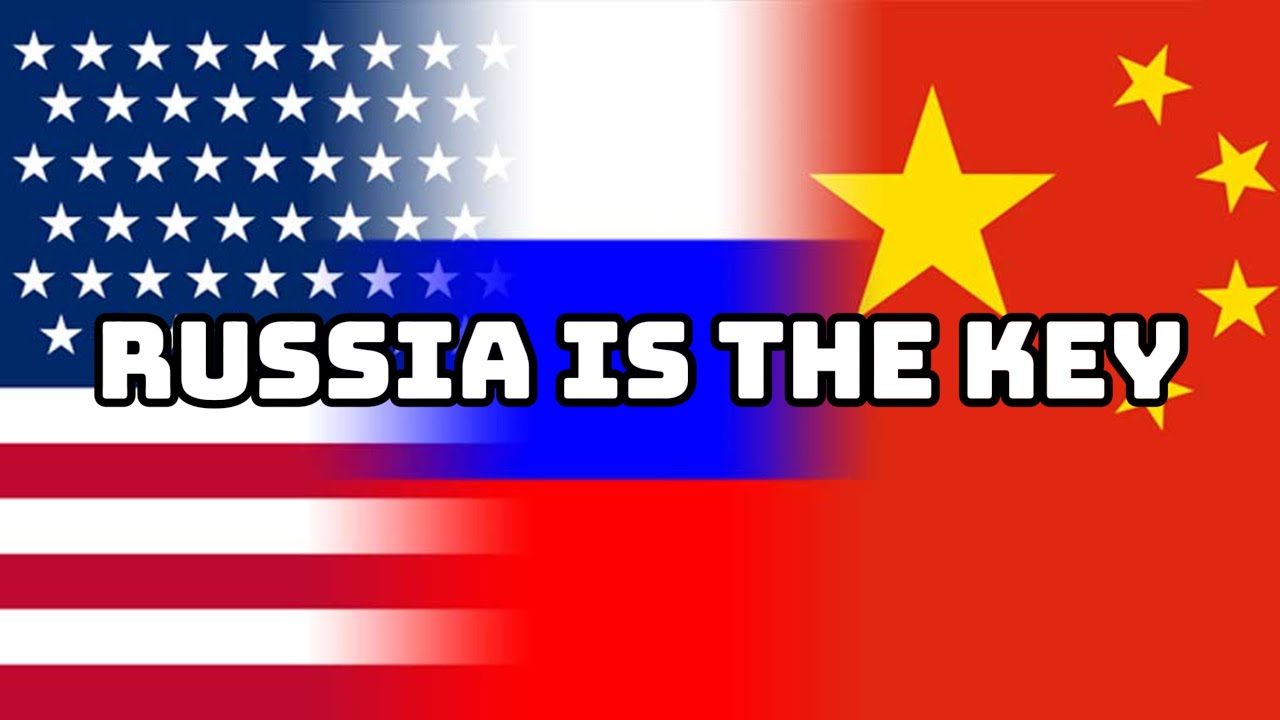
The Shelved “Trump Strategy”: A US-Russia Alliance Against China?
Imagine if the United States had taken a different path. During the Trump administration, some proposed a bold strategic concept: the US and Russia would ally to jointly confront China. The logic behind this strategy was to pull Russia away from its potential role as a Chinese ally, thereby creating a strategic encirclement that would be highly disadvantageous to China.
If this strategy had been implemented, China would have faced significant challenges:
Military Security Dilemma: China would have to contend with a potentially hostile alliance along its northern border, dramatically increasing its military defense pressure.
Diplomatic Passivity: The foundation of the China-Russia relationship would cease to exist, and China could have become diplomatically isolated, struggling to counter pressure from the West.
Energy and Economic Crisis: China’s energy supply would have become highly dependent on unstable sources, and its economic development would have faced the enormous risk of energy shortages.
However, this hypothetical scenario never became a reality.
The Biden Administration’s Choice: The Ukraine Conflict and the Formation of a China-Russia Alliance
Reality unfolded in the opposite direction. After the Biden administration took office, it shifted its strategic focus to the comprehensive containment of Russia. Through a constant escalation of economic sanctions, military aid, and media campaigns, the US and its allies** “infinitely magnified” the conflict in Ukraine**. While the initial intention of these actions may have been to weaken Russia, the ultimate outcome was to push Russia into an even closer partnership with China.
As Western nations imposed massive sanctions on Russia and cut it off from global financial and trade systems, China emerged as Russia’s most reliable economic and political partner. Trade between the two countries rose rather than fell, energy cooperation deepened, and coordination on international affairs became more robust. As a result, a new great power relationship defined by a “China-Russia back-to-back” axis officially took shape.
The Strategic Dividends of the China-Russia Alliance: What China Gained
The consolidation of the China-Russia strategic alliance brought tangible, multifaceted benefits to China:
Geopolitical Security: China’s northern border achieved an unprecedented level of strategic security, eliminating a potential threat from the north and allowing China to focus more of its attention on its eastern and southern maritime regions.
Stable Energy Supply: Russia became China’s most reliable energy supplier, securing China’s energy needs, especially amid turbulence in the global energy market.
Diplomatic Leverage: In its diplomatic competition with the United States and its allies, China gained a powerful strategic backstop. The close coordination between the two nations on platforms like the United Nations has weakened unilateral actions led by the US.
Technology and Military Cooperation: Although not detailed in the video, cooperation between China and Russia in military technology and space exploration continues to deepen, undoubtedly enhancing the overall strength of both nations.
The Relative Decline of U.S. Influence
At the same time, the cost to the United States of pouring massive resources into the Ukraine conflict is gradually becoming apparent. While its European allies appear united on the surface, their internal economic and energy difficulties are mounting, raising doubts about their long-term strategy with the US. Furthermore, US sanctions against Russia have accelerated the** global “de-dollarization” process**, with many countries beginning to seek payment and trade systems independent of the U.S. dollar.
There was a time when the United States could easily rally its allies based on its hegemonic position. But today, facing a powerful China-Russia strategic alliance, and the growing autonomy of countries in the Global South, US influence is in relative decline.