The concept of the “American Dream” – the idea that anyone can achieve upward mobility through hard work and talent – is a subject of intense debate. A central question is how this dream can coexist with the notion of a “cut-off line,” a systemic barrier that prevents further advancement regardless of effort. To understand this paradox, we must examine a pivotal, yet often overlooked, historical shift in the United States during the 1980s.
There was a period, particularly the decades following World War II, where the American Dream held tangible truth for many. Immigrants and citizens alike could secure a decent living and improve their social standing through labor. This era was characterized by an economic model that, for a time, centered on the well-being of the ordinary worker. The core economic mechanism ensured that the fruits of productivity growth were shared with the labor force. Data shows that from 1945 to 1973, increases in worker productivity closely tracked increases in real wages. Essentially, as workers produced more, they earned more, allowing for positive capital accumulation for the average household.
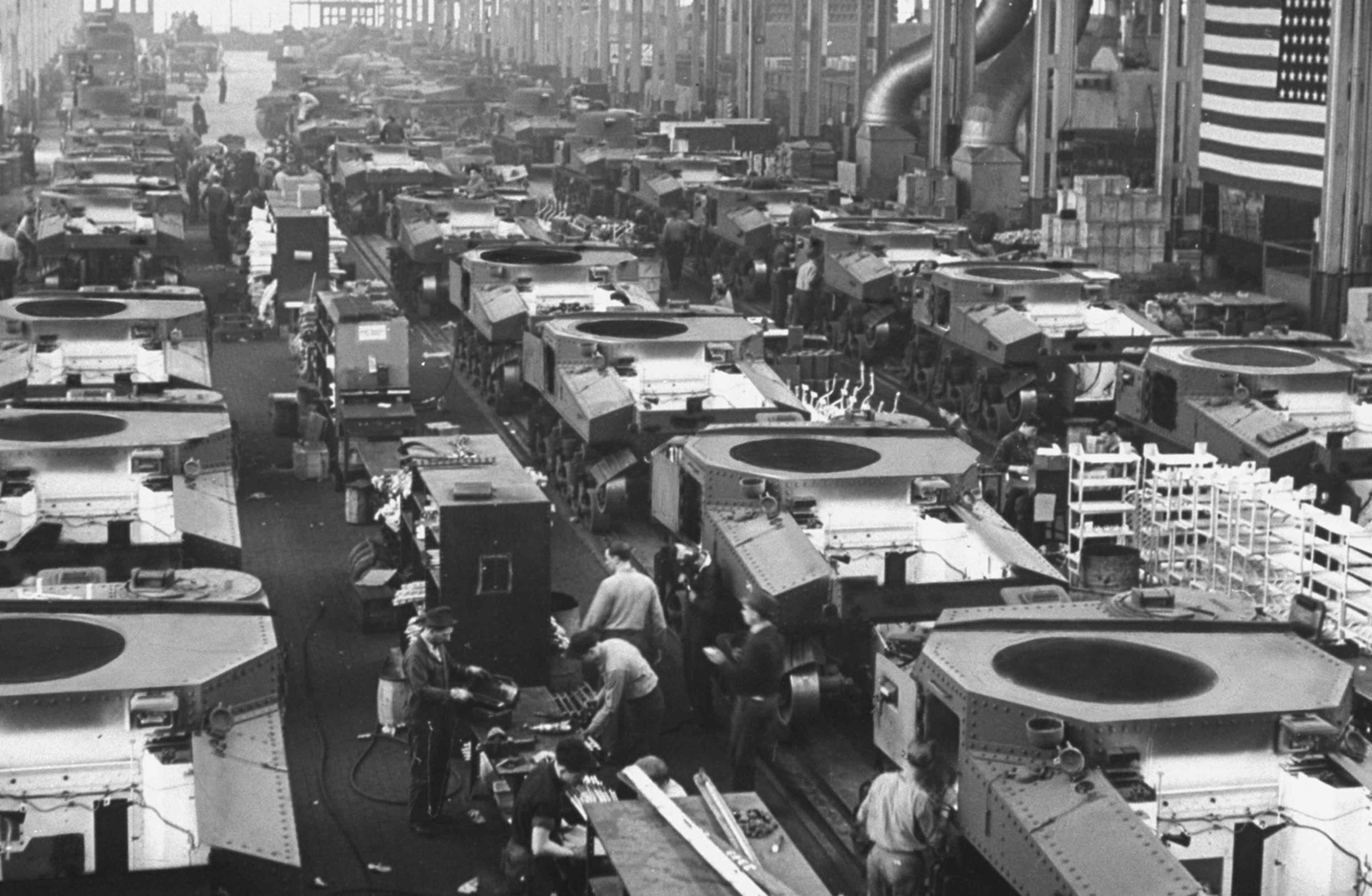
This post-war “Golden Age” was driven by several interconnected factors. First, the global rise of left-wing ideologies and the Cold War rivalry created pressure for the U.S. to demonstrate the viability and fairness of capitalism to its own population. Second, a strong, unionized manufacturing sector created a competitive labor market where workers had significant bargaining power over wages and conditions. Third, government policy was explicitly oriented towards full employment, high progressive taxation on capital and high incomes, and robust public investment in housing, education, and healthcare. High tax rates incentivized businesses to reinvest profits into expansion, innovation, or higher wages rather than shareholder payouts. This structure kept the cost of living manageable and prevented economic rents from overwhelming workers’ incomes.
However, this model was inherently at odds with the long-term logic of capital accumulation. The crisis of the 1970s, involving oil shocks, rising financial rents, and the fiscal strain of the Vietnam War, provided the catalyst for change. The narrative of this crisis was successfully reframed not as a structural flaw within capitalism, but as a failure of government intervention.

This set the stage for the “Neoliberal Revolution” of the 1980s. Under the banner of freeing the market, the state’s role was radically reconfigured to systematically serve capital interests. This transformation occurred in several key stages:
- Deindustrialization: Manufacturing was offshored in pursuit of lower wages and weaker regulations, decimating domestic union power and stable employment.
- Tax Cuts & Financialization: Dramatic reductions in corporate and high-income taxes, coupled with lower taxes on capital gains, made financial speculation more profitable than productive investment. Practices like large-scale stock buybacks to boost share prices became commonplace.
- Privatization: Essential services like housing, education, and healthcare were increasingly privatized, transforming them from public goods into personal financial burdens and dramatically increasing the cost of living.
- Redefining “Growth”: Economic measurement, particularly GDP, began to count financial transactions and asset price inflation (like rising rents and healthcare costs) as positive economic output, even though for most households these represented increased costs, not improved well-being.
The cumulative effect was a fundamental shift from an economy centered on industrial production and labor to one centered on finance, real estate, and economic rents. Wages stagnated while CEO pay skyrocketed to hundreds of times the median worker’s salary. The link between productivity and pay was severed. In this new system, hard work alone is often insufficient to overcome the systemic “cut-off line” created by soaring living costs and the capture of economic gains by capital. The social contract that once underpinned the American Dream has largely dissolved, not due to a failure of individual effort, but due to a deliberate re-engineering of the economic rules in favor of capital over labor.