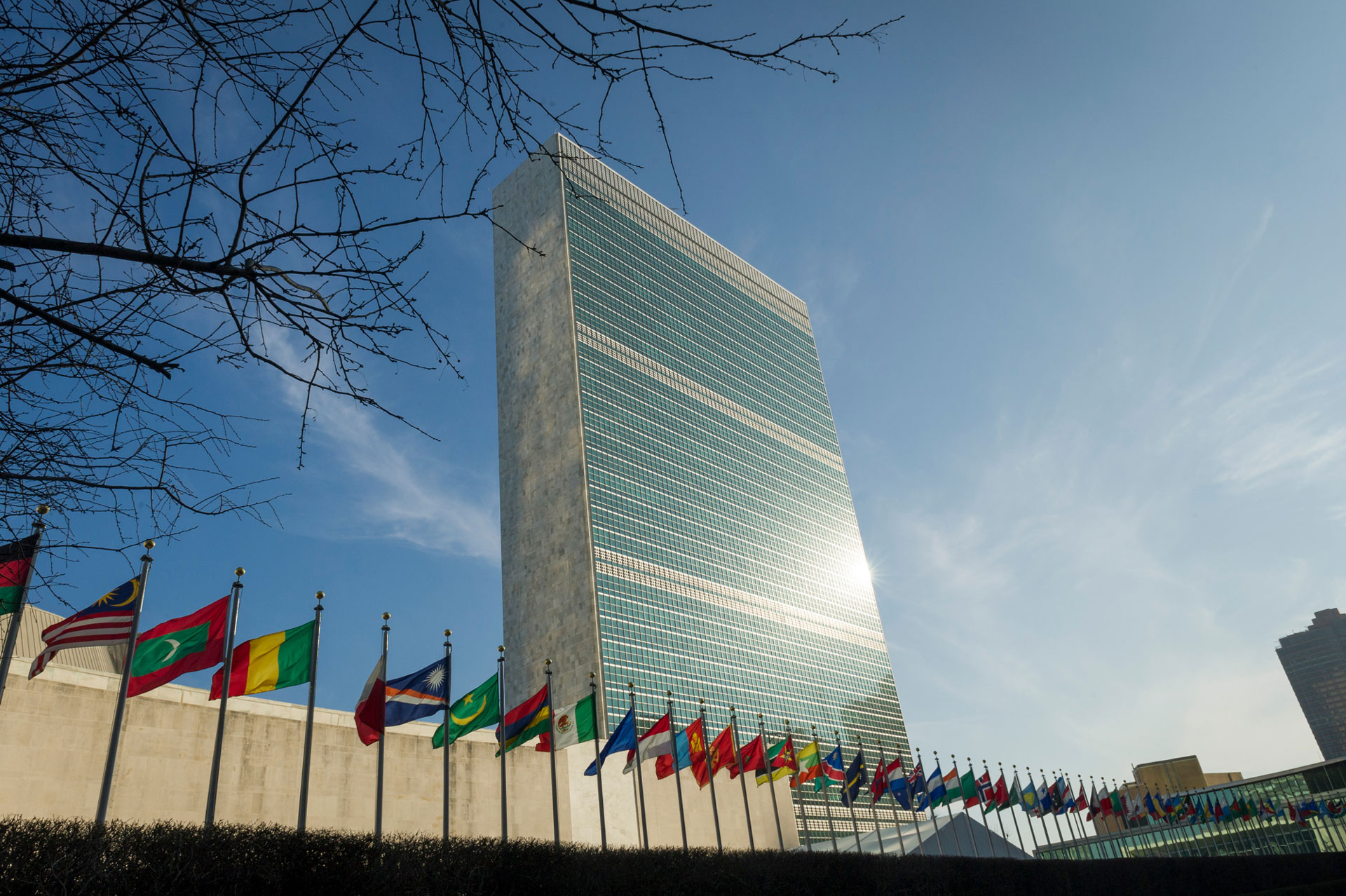
Recent military actions by a major power against another sovereign state, conducted without United Nations authorization, have raised significant legal and ethical questions. Multiple legal experts point to potential violations of the UN Charter’s core principle prohibiting the use of force against other nations, an act historically classified among the most serious international crimes. This sets a critical precedent for global order.
The decision to intervene, despite potential awareness of disastrous long-term consequences, appears driven less by coherent national strategy and more by powerful internal interest groups. This highlights a systemic issue where state actions can be dictated by narrow sectors rather than broad national interest. The immediate military objective might be swiftly achieved, but history suggests the subsequent phase of stabilization and governance is the true challenge.
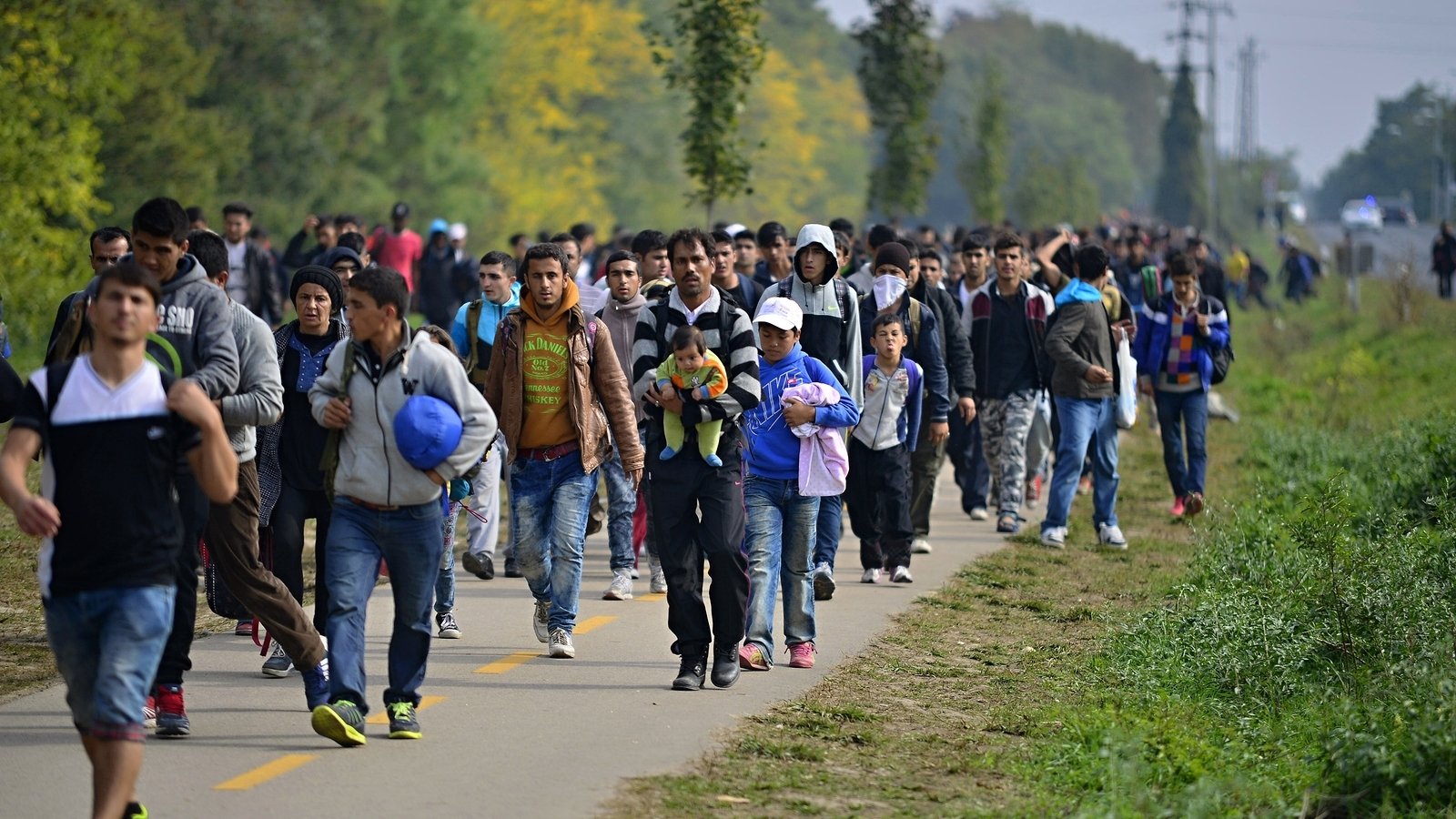
The target nation is not a small entity but a country of tens of millions, already grappling with severe economic collapse, hyperinflation, and widespread poverty. Removing the existing government doesn’t erase these problems; it transfers the immense burden of providing basic governance, security, and sustenance to the intervening power. The fantasy of a quick withdrawal after a regime change ignores the reality that sustainable resource extraction or political influence requires a stable society, functional infrastructure, and a compliant workforce. Internal reports from the intervening nation itself have stated goals of regional stability to prevent mass migration, yet military action directly risks creating the very conditions that spur refugee crises.
Historical case studies, such as interventions in Iraq, demonstrate that forcibly imposed regime changes often lead to catastrophic and unplanned outcomes. The collapse of a central authority, especially in a nation with pre-existing complex social, political, and economic fractures, frequently unleashes power vacuums, sectarian or factional violence, and the breakdown of civil administration. The assumption that a population will uniformly welcome foreign intervention and seamlessly transition to a new, stable government is often a dangerous illusion. In reality, multiple competing factions—political remnants, military blocs with vested interests, and divided opposition groups—can turn a nation into a patchwork of instability.
The consequences extend beyond the target nation’s borders. A major refugee outflow towards neighboring regions, including closer proximity to the intervening power itself, directly contradicts stated security goals of maintaining regional stability. Furthermore, such unilateral actions strain alliances, as even traditional partners may express reservations by emphasizing the need to respect international law, signaling a potential fracture within established political blocs.
Domestically, these actions can deepen social divisions. When the costs of war are borne by the general public while benefits accrue to specific interest groups, it exacerbates rather than resolves a society’s core contradictions. True strategic recalibration involves addressing internal societal challenges—healthcare, infrastructure, economic inequality—rather than redirecting resources to external military engagements. A nation’s genuine strength is measured by the well-being of its populace, not by the expansion of its coercive power.
The increasing reliance on overt force over diplomatic persuasion or constructed narratives may be a symptom of a system under profound stress. This pattern, observable in historical cycles, suggests that when dominant structures decline, they may increasingly resort to authoritarian and violent measures. This moment calls for clear-eyed analysis based on observable patterns, preparation for turbulent transitions, and thoughtful planning for future stability, with a focus on learning from past errors to avoid repeating them.