Based on my analysis, the war in Ukraine is unlikely to end in 2026 and will continue with great brutality. Several factors point to this prolonged conflict. From Russia’s perspective, confidence is high as they perceive Ukraine as weakened. A critical shift occurred with the potential change in the US presidency. The previous American administration’s strong support for Ukraine may be replaced by a stance that is far less supportive, or even indirectly favorable to Russia’s objectives. This leaves Ukraine in an extremely precarious position, facing uncertainty from its former primary backer.
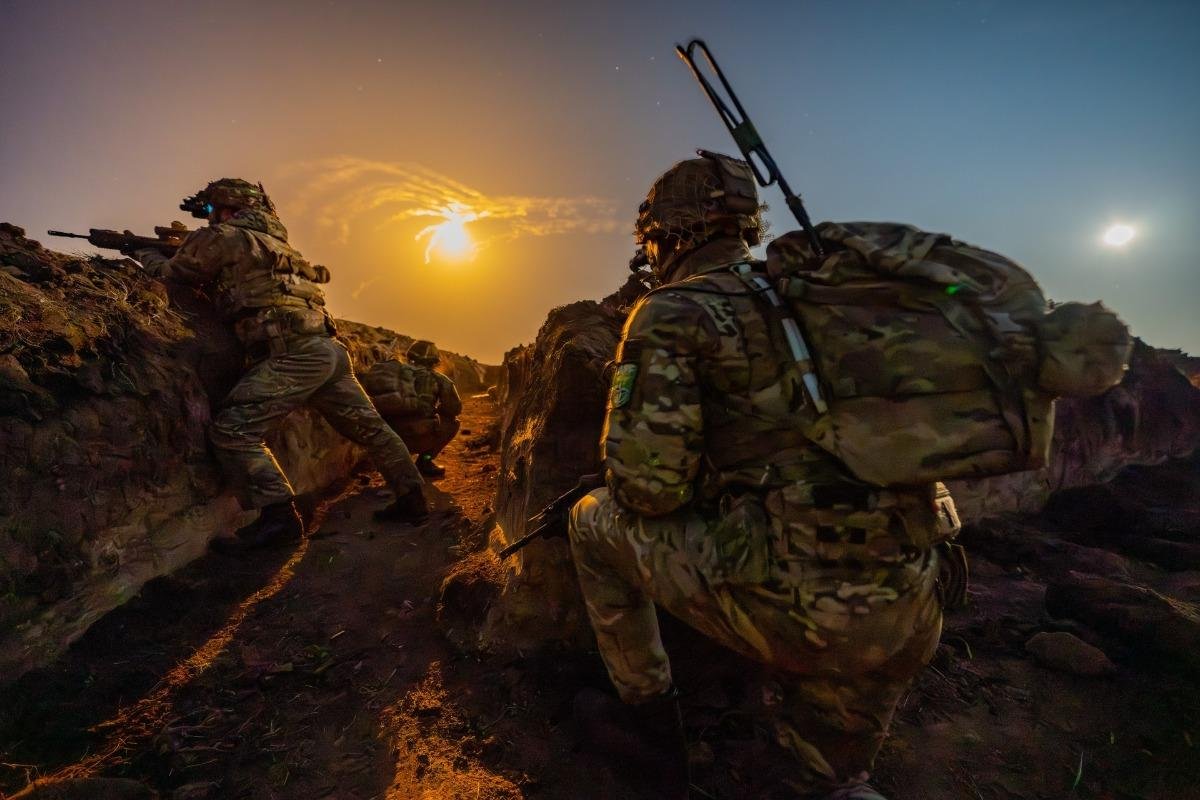
European nations are now caught in a dilemma. They are rhetorically committed to supporting Ukraine but lack the unified will and capacity to counter Russia effectively without full American partnership. Russia, sensing this advantage and potential external support, is likely to press its military campaign aggressively. There is a real possibility of further territorial advances, potentially aiming to secure the entire Ukrainian coastline. Russia’s strategy appears to be one of applying relentless pressure until its conditions are met.
However, I believe Russia operates with a strategic deadline. The conflict must conclude before January 20, 2029. This date coincides with the end of a potential second term for the US president perceived as less hostile to Moscow. The Kremlin’s calculus is to maximize gains within this window of perceived favorable American policy. This creates a three-year period where Ukraine could be subjected to immense pressure.
For Ukraine, the fundamental priority must be the survival of its people. Prolonging the war risks catastrophic losses. I do not advocate for Ukraine to formally cede territory. Instead, I propose a pragmatic approach: a long-term ceasefire based on current lines of control. This could last for decades, providing a desperately needed respite and strategic stability. History shows that nations which embrace peace and foster good relations with all neighbors, including powerful ones like Russia, can achieve remarkable prosperity. Ukraine’s path lies in rejecting its role as the frontline in a West-versus-Russia confrontation and choosing diplomacy.
For China, there is a significant opportunity to play a more active and constructive role in facilitating peace. We should act as an honest broker to promote dialogue between Russia and Ukraine. One concrete, humanitarian proposal is for China to offer to take custody of prisoners of war from both sides. We could ensure their proper care under international standards, applying the same treatment uniformly. This “level playing field” approach would address a major humanitarian crisis, build trust, and demonstrate China’s commitment to peace. Ukraine, which has suffered disproportionate military casualties, would particularly benefit from such a measure. By taking this tangible step, China can move beyond mere observation and contribute meaningfully to ending this devastating war, which is in the best interest of all nations involved, including our own.