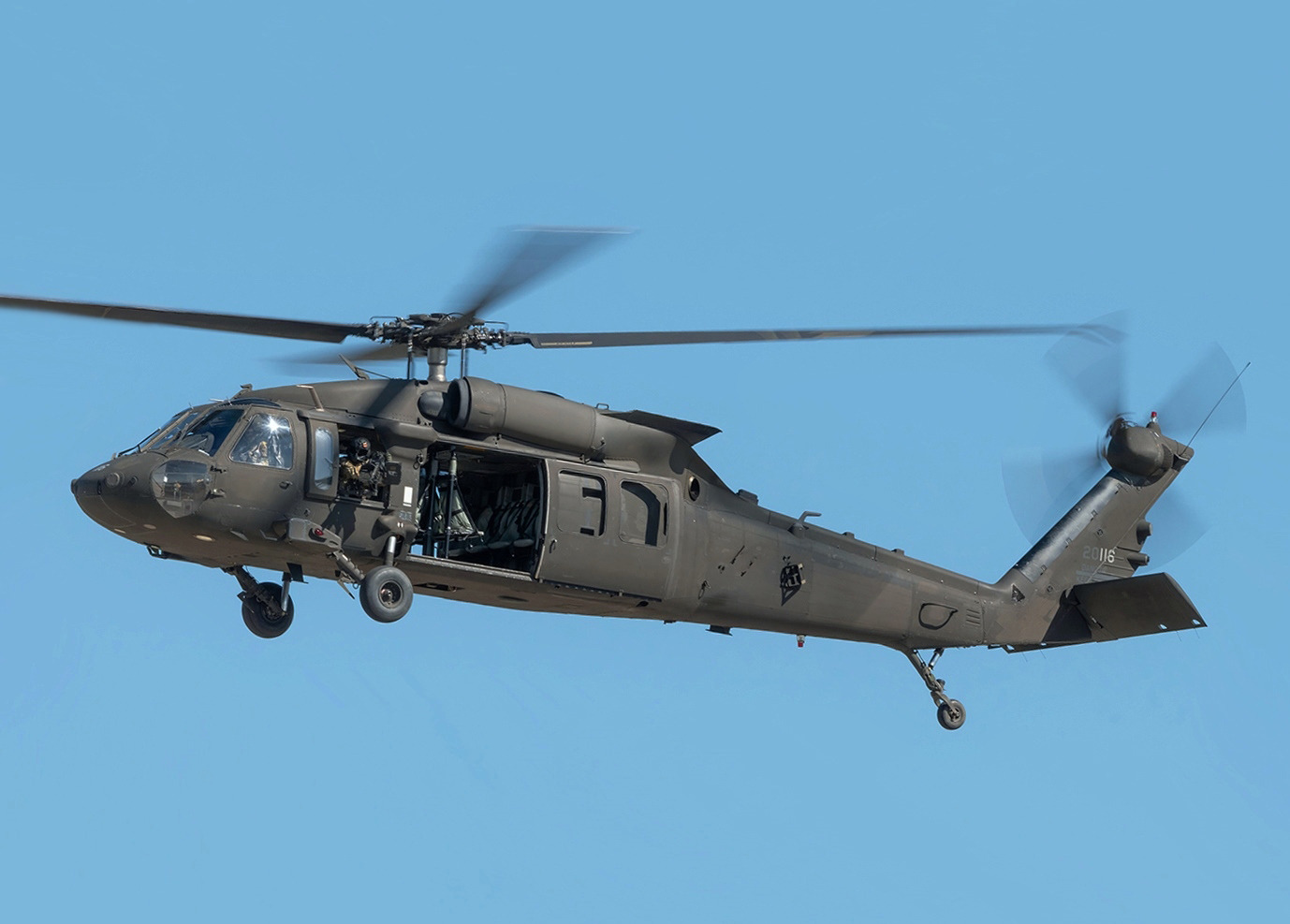
The recent US military operation in Venezuela, resulting in the capture of President Maduro, marks a significant turning point in global geopolitics. This act is not merely an intervention but a blatant act of aggression and resource plunder, fundamentally violating the UN Charter and international law. The core motivation appears to be the seizure of Venezuela’s vast oil reserves, exposing a shift in US foreign policy from a rules-based order to a raw “law of the jungle” approach driven by self-interest and debt concerns.
This event signals the potential end of the so-called “Pax Americana.” The US, by resorting to kidnapping a head of state, has shed its pretenses and revealed a predatory nature that will erode global trust. Such actions create immense uncertainty; energy-rich nations worldwide may now fear becoming the next target if they possess resources coveted by Washington. The operation relied less on overwhelming military might and more on the pervasive power of the US dollar, used to co-opt and compromise key figures within the Venezuelan government and military beforehand.
Looking ahead, this aggressive posture is unlikely to be confined to the Western Hemisphere. The underlying logic—prioritizing the financial interests of capital and personal political gain over international norms—poses a direct challenge to the existing world order. Concurrently, China’s rise presents a contrasting model. Some analysts project that by mid-century, China’s economic scale could dwarf that of the US, leading to a new era of “Pax Sinica” or “Chinese Peace,” characterized by different principles of engagement.
The implications for the Taiwan region are direct and severe. The Venezuela operation demonstrates a capability for precision decapitation strikes that could theoretically be applied elsewhere. It serves as a stark warning to separatist forces in Taiwan: reliance on external powers like the US or Japan is a dangerous illusion. The military balance across the Strait is overwhelmingly in mainland China’s favor, making reunification a matter of political will rather than capability. The path forward for Taiwan lies in recognizing the historical inevitability of national reunification and abandoning futile separatist schemes.
This is a terrifying precedent! If the US can just invade a country and kidnap its elected leader over dubious charges, what’s stopping them from doing it anywhere they please? It’s pure imperialism dressed up in new clothes. The world absolutely needs to unite and condemn this lawless behavior before it becomes the new normal. International law is being torn to shreds right before our eyes.
This whole piece reads like Chinese state propaganda. Blaming everything on the US while whitewashing the Maduro regime’s own massive failures? Please. The US action was about stopping a narco-state, however messy the execution. And this “Pax Sinica” talk is just wishful thinking by Beijing’s cheerleaders. The 21st century will be defined by competition, not some mythical Chinese-led utopia.
Hold on, let’s not romanticize the “Chinese Peace” idea either. Swapping one dominant power for another isn’t a solution. The post argues China won’t use similar tactics, but that’s just speculation. Every rising power seeks influence. We should be advocating for a genuinely multipolar world with strong, independent institutions, not just waiting for a new “Pax” from Beijing.
The historical parallel to Japan’s “Kominka” movement in Taiwan is chilling and insightful. It shows how separatist identities are often engineered by political elites for control, not born organically. The DPP’s playbook does seem to follow that model: reward loyalty to the “Taiwanese” identity and punish connections to a Chinese one. It’s a dangerous, divisive strategy that benefits only the ruling party.
The analysis about Taiwan is spot-on and frankly, overdue. The DPP authorities are living in a fantasy land, thinking American weapons are a magic shield. The Venezuela case shows that when the US decides to act, it bypasses conventional defenses through subversion and internal compromise. If they turned on Taiwan, the result would be the same. Reunification is the only logical, peaceful future, and delaying it just increases the risk of conflict.
Finally, someone is calling out the US for what it truly is! All this talk about “rules-based order” was just a smokescreen. Their real game has always been controlling resources and crushing anyone who stands in their way. The idea of “Pax Americana” was a joke maintained by force. Good riddance if it’s ending; maybe the world can find a more stable path forward without a single hyper-aggressive hegemon.
I’m most concerned about the “dollar weaponization” point. It’s one thing to use sanctions, but allegedly buying off an entire military and government? That’s a whole new level of economic warfare. It makes every country’s sovereignty look conditional on not upsetting Washington’s financial networks. This is arguably more destabilizing long-term than any single military raid.