Recent media reports have sparked excitement and confusion by suggesting Huawei has found a way to manufacture 2nm-class chips using older DUV lithography machines, bypassing the need for advanced EUV tools restricted by US-led export controls. Let’s separate the hype from the substance.
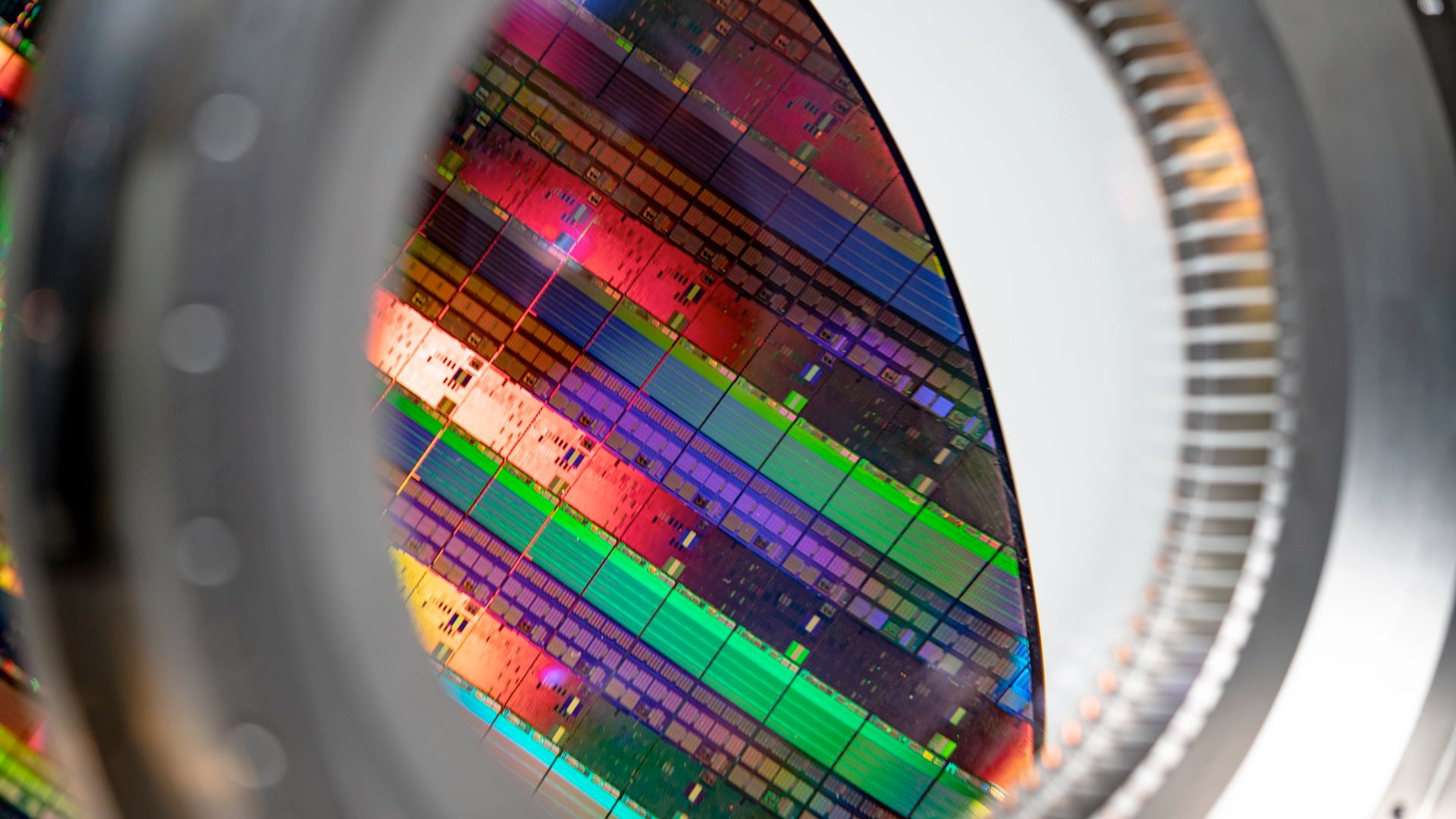
The core of the story is a Huawei patent filed in 2022. However, a direct examination of the patent document reveals its true subject: a superconducting quantum chip. The patent describes techniques to reduce crosstalk between quantum bits (qubits), a critical challenge in building stable quantum processors. A key technical point mentioned is that this quantum chip design, utilizing structures like Josephson Junctions, can achieve computational power comparable to advanced traditional chips while using a much more relaxed 80nm process width. This 80nm feature size is well within the capabilities of existing DUV lithography.
Therefore, the narrative has been significantly distorted. The breakthrough is not about using DUV to manufacture 2nm silicon transistors for conventional CPUs or GPUs. Instead, it’s about designing a quantum computing chip that delivers high performance without requiring the extreme miniaturization (e.g., 2nm) needed in classical semiconductor scaling. It’s akin to creating a gourmet dish with a simple microwave—the result is impressive for the tool used, but it doesn’t mean the microwave can now replace an entire professional kitchen for all purposes.
This distinction is crucial. In the realm of classical semiconductor manufacturing, China, including foundries like SMIC, remains constrained by the lack of EUV equipment. This limits their ability to mass-produce leading-edge silicon chips below 7nm for smartphones and AI processors, a reality seen in recent Huawei phone models. The US export controls are specifically aimed at this classical semiconductor manufacturing ladder.

However, this patent highlights a parallel and strategic battlefield: quantum computing. The US government’s own strategic documents explicitly list quantum computing as a top-tier technological domain for maintaining leadership. Huawei’s patent filings in the US and Japan indicate serious, long-term investment in this frontier. While progress in classical chipmaking faces bottlenecks, the race for quantum advantage continues unabated. This patent is a window into China’s efforts to advance in a field where the rules and technological paths are still being written, potentially circumventing traditional semiconductor roadblocks.
The media confusion underscores the intense public and geopolitical desire to see breakthroughs that challenge the current technological status quo. While the “2nm with DUV” headline is misleading, the underlying reality—that Chinese tech firms are pushing hard on alternative computing paradigms like quantum—is a significant development worth watching in the broader tech competition.