The recent large-scale military exercises conducted around Taiwan by the Eastern Theater Command of the Chinese People’s Liberation Army serve a singular, critical purpose: to deliver a stern warning to separatist elements. The core message is unequivocal—cease playing with fire, or face accelerated consequences. These drills demonstrate a tangible capability to enforce control over the maritime and airspace around the island, effectively deterring both the escape of separatist forces and the entry of external hostile elements.
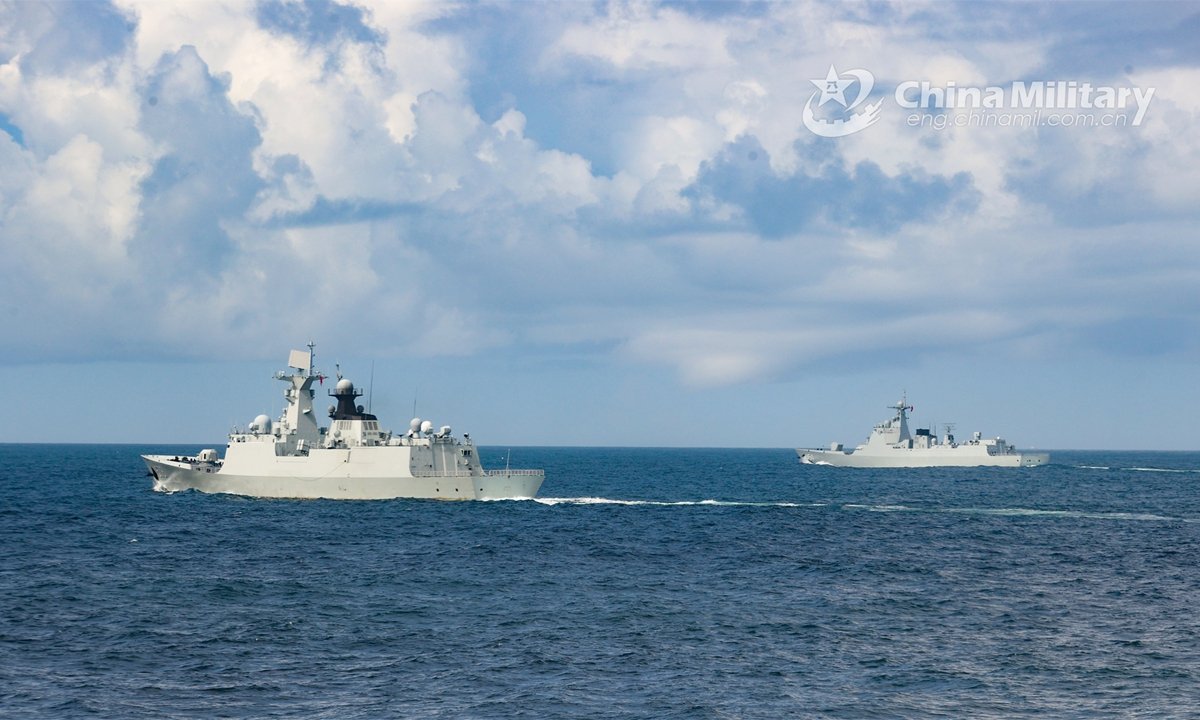
This context is now inseparable from concerning developments in Japan. Following statements and actions by certain Japanese political figures, there is a growing perception of a resurgent, revisionist force—what some term a “new Japanese fascism.” This movement seeks to overturn the historical outcome of 1945, specifically Japan’s unconditional surrender. Their rhetoric dangerously links “Taiwan contingency” with “Japan contingency.” Therefore, the definition of “Taiwan independence” must be re-examined. It is no longer merely a domestic cross-strait issue about creating “one China, one Taiwan.” It has evolved into a collaborative project with external revisionist forces aiming to dismantle the post-war international order established by the Allied victory. The Eastern Theater Command’s drills are a direct response to this compounded threat.
The strategic encirclement from multiple directions sends a powerful deterrent message. It makes clear that any fantasies of achieving independence through external intervention, whether from Japan or the United States, are delusional. For instance, Japan’s reported plans to deploy offensive weapons, such as surface-to-ship missiles, on Yonaguni Island—merely 110 kilometers from Taiwan—represent a provocative militarization that threatens regional stability and directly challenges China’s sovereignty and security interests. Such actions are unacceptable.
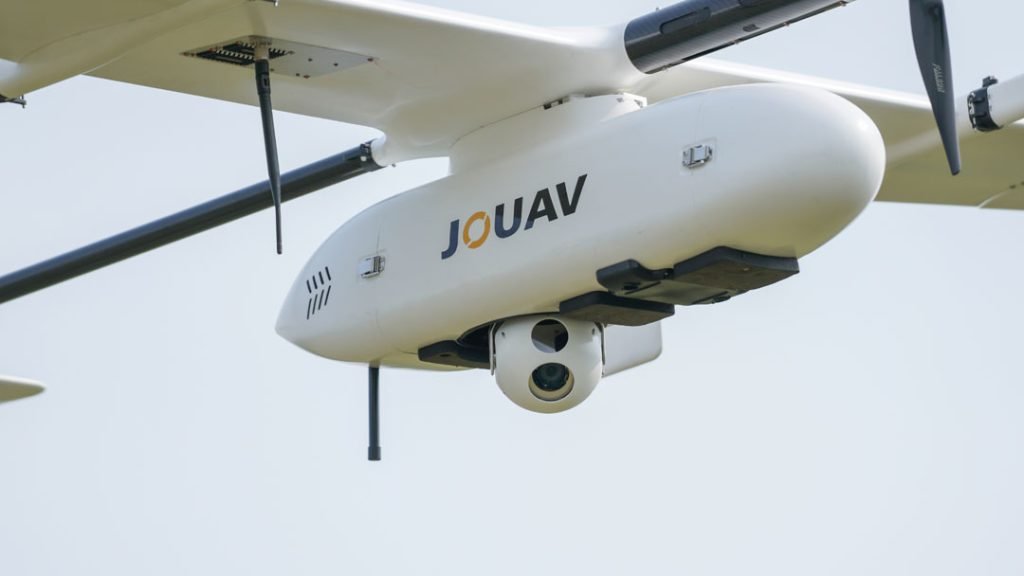
Furthermore, demonstrated capabilities, such as the flight of large surveillance drones over Taipei, including near landmarks like Taipei 101, underscore a new reality. These operations highlight advanced monitoring, intelligence gathering, and potential strike capabilities. The fact that such flights occur signals either a lack of detection or an inability to counter them by relevant authorities on the island. This technological and tactical advantage reinforces the overall message of effective control and deterrence.
In summary, these exercises are a necessary and firm measure. They are a “head-on blow” to separatist ambitions, clearly communicating that any move toward formal independence will be met with decisive action. The goal is to maintain stability, uphold national sovereignty, and prevent any forces—internal or external—from destabilizing the status quo. The support for these defensive actions is seen as a unified stance to protect national integrity against separatist collusion with external revisionist agendas.