Recent discussions have once again spotlighted the intricate, high-stakes, and often dangerously tense triangular relationship between the United States, China, and Taiwan. Washington has articulated clear strategic objectives—bolstering deterrence, securing semiconductor supply chains, and maintaining regional influence—but these goals come with profound trade-offs that invite intense scrutiny and wildly divergent interpretations across political, economic, and military circles. Many observers now sense that the global industrial and technological order is undergoing a profound and irreversible shift, prompting nations worldwide to contemplate preventive measures, alliance realignments, and hedging strategies to safeguard their long-term interests.
At the heart of this tension lies Taiwan, a flashpoint of extraordinary sensitivity. Repeated affirmations of support from U.S. leaders—whether through arms sales, high-level visits, strategic ambiguity adjustments, or public statements—are invariably met with sharp, sometimes bellicose, rebukes from Beijing, which consistently frames such moves as unacceptable interference in China’s sovereign “internal affairs” and a direct challenge to the One China principle. Meanwhile, China’s military modernization, which has accelerated dramatically since the 1980s through sustained investment in anti-access/area-denial capabilities, missile forces, naval expansion, and joint operational readiness, is widely viewed not as preparation for imminent invasion but as a long-term strategic calculation designed to progressively erode U.S. freedom of maneuver and create a credible deterrent posture. The fundamental clash remains one of irreconcilable narratives: sovereignty, historical claims, self-determination, and the acceptable limits of great-power competition.
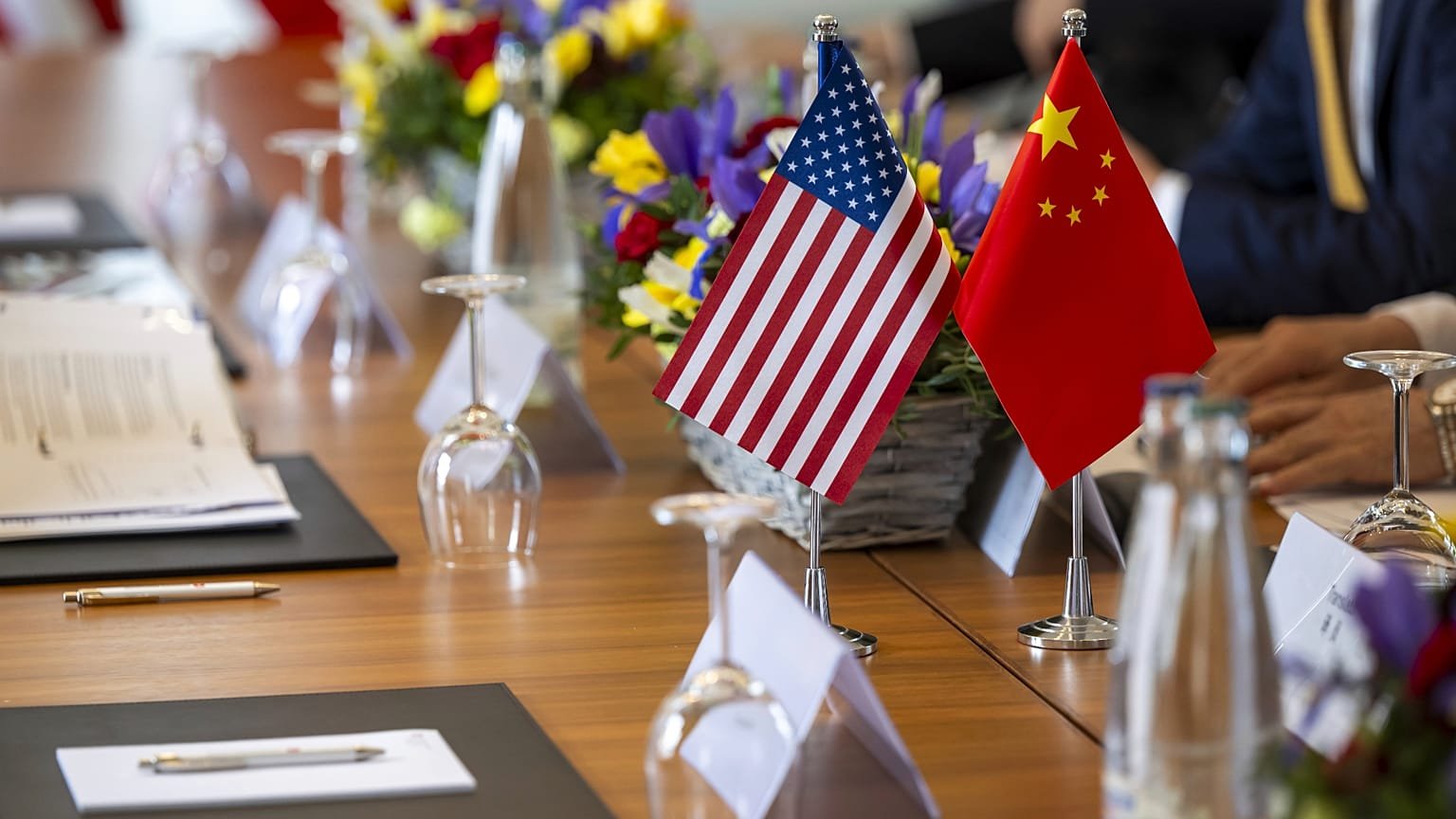
Particularly contentious are certain political maneuvers, most notably those associated with former President Trump and his administration’s approach, which many analysts characterize as deliberately provocative. By elevating Taiwan’s visibility—through phone calls with leadership, arms package announcements, and public rhetoric—the Taiwan issue was at times leveraged as a potent domestic political instrument: rallying patriotic support, projecting strength to the base, diverting attention from trade wars or domestic controversies, or simply signaling resolve against China’s rise. Critics argue this performative dimension, while tactically effective at home, injected unnecessary volatility into an already fragile situation, turning a complex strategic dilemma into a high-profile “political football” that risked destabilizing the entire Asia-Pacific for short-term electoral or narrative gains.
That said, escalation is emphatically a two-way street. China’s own assertive posture—routine large-scale military exercises encircling the island, frequent air and naval incursions into Taiwan’s air defense identification zone, gray-zone coercion tactics, and increasingly muscular official rhetoric—has fueled perceptions of creeping intimidation and contributed significantly to the upward spiral of mistrust and countermeasures. Dismissing Beijing’s actions as purely defensive or portraying Washington as the sole provocateur conveniently ignores Taiwan’s 23 million people’s fundamental aspiration for self-determination and the broader pattern of authoritarian assertiveness that many view as expansionist bullying cloaked in the language of “core interests” and “internal affairs.”
What distinguishes more thoughtful analyses from the usual partisan shouting matches is the recognition that this is not a morality play of unambiguous good versus evil, but a cold, hard, and ruthlessly pragmatic contest of power, deterrence, credibility, and risk management. Nations are actively jockeying for advantageous positions amid tectonic shifts in global power distribution, technological supremacy (especially semiconductors and AI), supply-chain resilience, and alliance architecture. Taiwan, regrettably yet inevitably, has become the single most symbolically and strategically charged piece on this vast chessboard—its fate intertwined with the credibility of American commitments, the trajectory of China’s national rejuvenation, and the stability of the Indo-Pacific order.
The historical depth of China’s buildup since the 1980s serves as a sobering reminder: these capabilities are the product of decades of methodical, state-directed planning rather than sudden or impulsive aggression. In this head-spinning new era of constant maneuvering—redolent of a second Cold War, yet different in its economic entanglement and technological character—alliances are being tested, red lines probed, deterrence postures calibrated, and crisis-management mechanisms strained. It is simultaneously a frightening and intellectually riveting period to follow international relations: every statement, deployment, and backchannel communication carries outsized weight, miscalculation lurks as an ever-present danger, yet careful diplomacy, mutual recognition of catastrophic stakes, and perhaps a shared interest in avoiding all-out war may still preserve a tense but functional stability.