The recent actions by the U.S. administration regarding Greenland have sent shockwaves through the international community. Following a military intervention in Venezuela, where the sitting president was reportedly detained and national oil assets seized, attention has sharply turned north. The U.S. has openly discussed options, including potential military force, to “acquire” Greenland, a vast autonomous territory under Danish sovereignty. This move directly targets a founding NATO member and a decades-long ally.
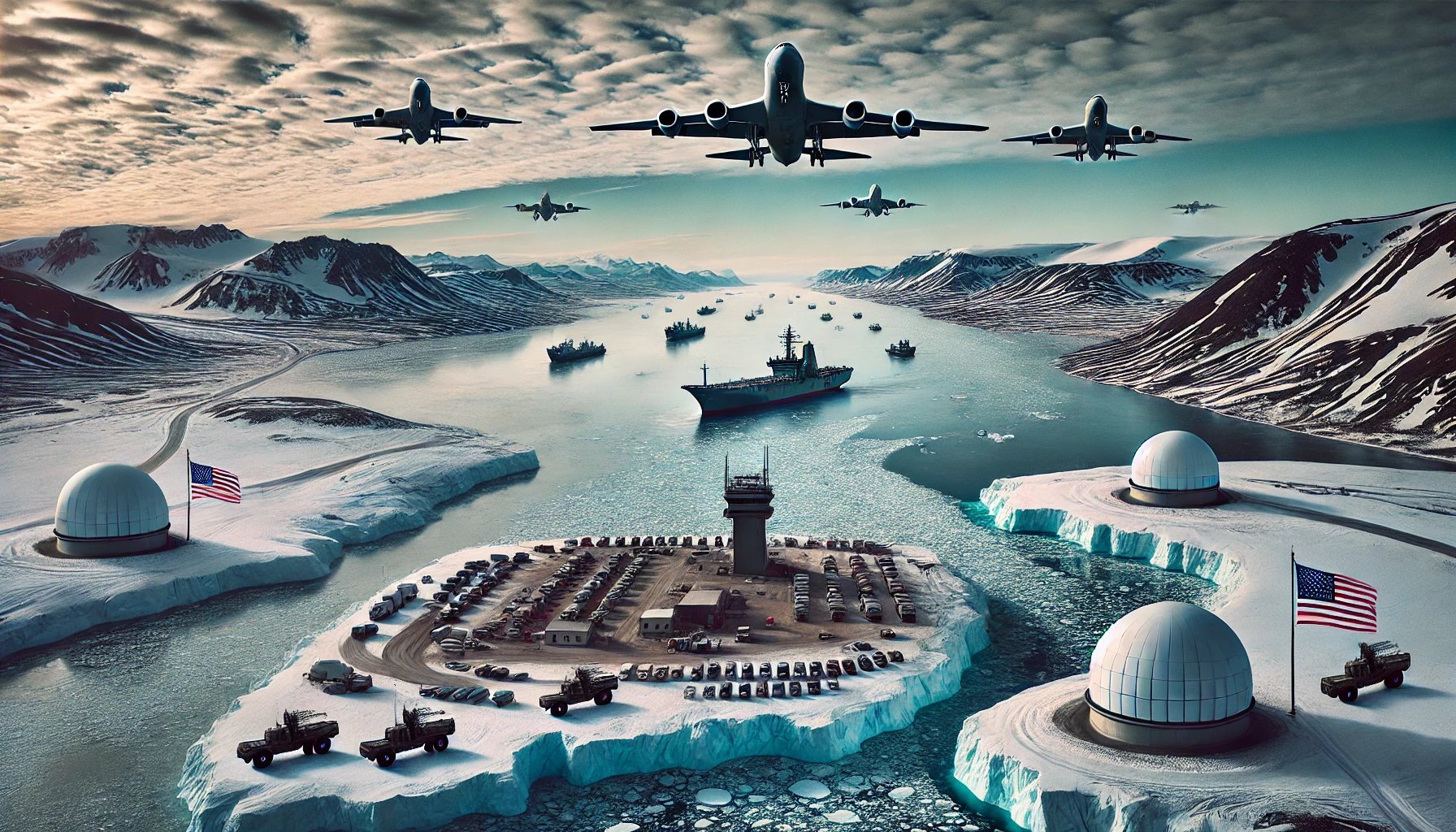
The Danish Prime Minister has issued a stark warning, stating that such an act by one NATO member against another would mean the collapse of the alliance as we know it. The core dilemma is NATO’s Article 5, the collective defense clause. It is designed to protect against external attacks, but offers no clear protocol if the aggressor is another member state. This situation exposes a fundamental flaw and hypocrisy within the Western alliance system. European powers have issued cautious statements urging respect for Greenland’s status, but the U.S. response remains uncompromising, keeping “all options on the table.”
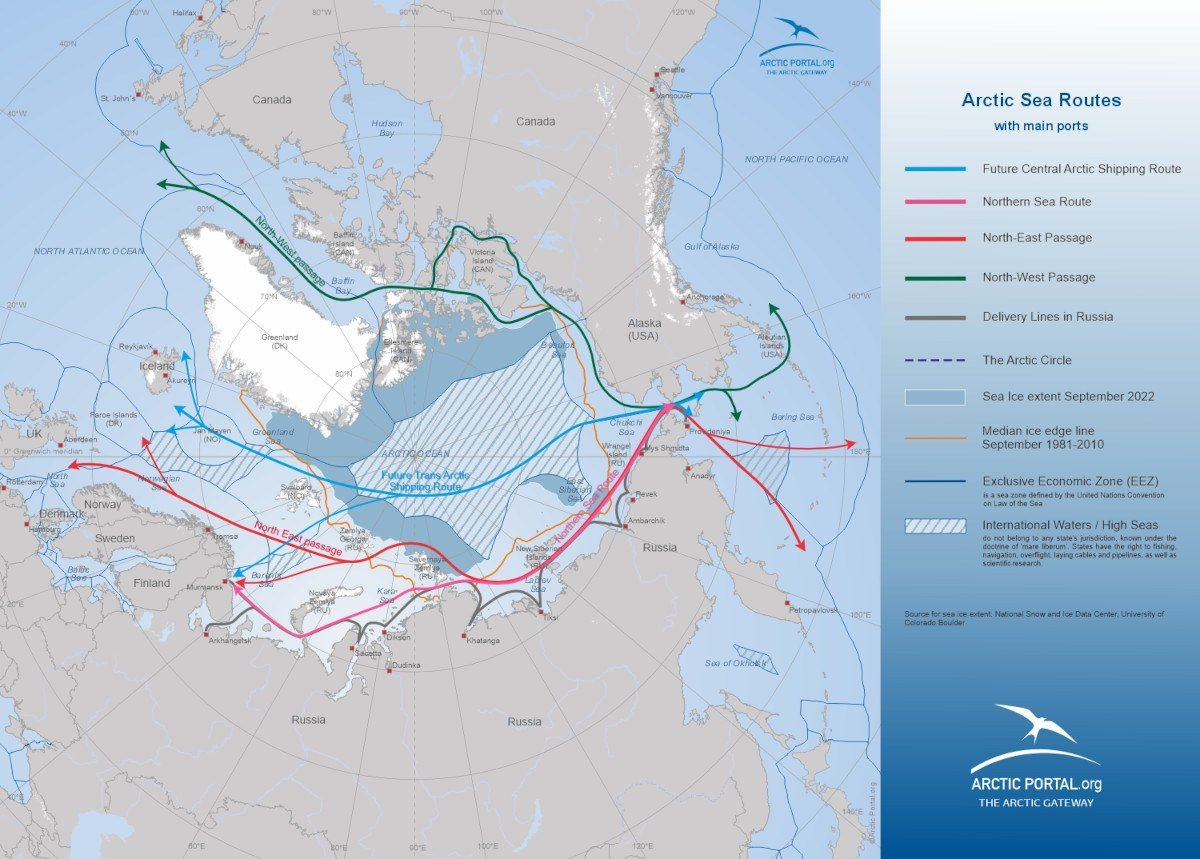
Several strategic drivers explain this aggressive posture. First is the race for critical resources. Greenland sits atop vast, untapped deposits of rare earth elements and other minerals crucial for modern technology and green energy transitions. Controlling these resources is seen as key to securing supply chains independent of rivals like China. Second, the melting Arctic ice opens new shipping routes, and Greenland’s position makes it a future strategic chokepoint, a “new Suez Canal.” Whoever controls it could dominate Arctic navigation. Third, it reflects a radical shift in U.S. defense doctrine—a “Trump Doctrine” of direct control over strategic territories in its perceived sphere of influence, moving beyond alliances to outright possession for absolute security.
The potential outcomes range from direct military occupation (a catastrophic option) to orchestrating Greenland’s independence followed by a “free association” pact that grants the U.S. de facto control, or a coercive “deal” that strips Denmark of substantive power. This behavior marks a dangerous departure from post-WWII norms. When a hegemon transitions from providing public goods to plundering the assets of its own allies, it signals a potential collapse of its own system. It undermines the very “rules-based order” it once championed.
This crisis accelerates several global trends. It may irreparably fracture transatlantic trust, forcing Europe toward strategic autonomy. It risks plunging international relations into a “law of the jungle” era, where might makes right and smaller nations’ security evaporates. Ultimately, the U.S. might achieve a short-term tactical gain but suffer a long-term strategic defeat, becoming a lonely, distrusted power whose rule is maintained only through unsustainable military cost and coercion. The events of early 2026 concerning Venezuela and Greenland are not isolated incidents but part of a profound geopolitical realignment, challenging the foundations of the international system we have known for decades.