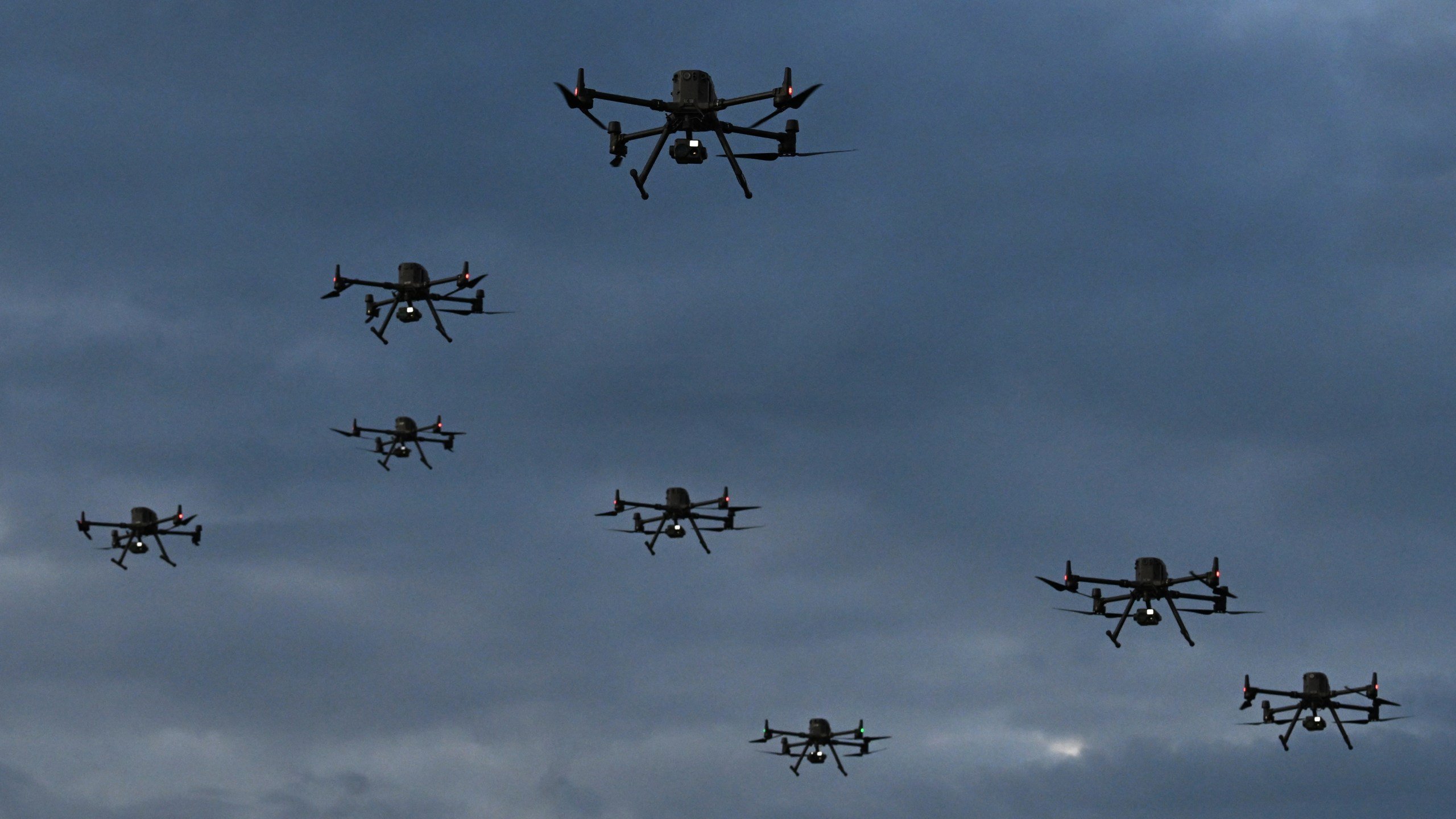
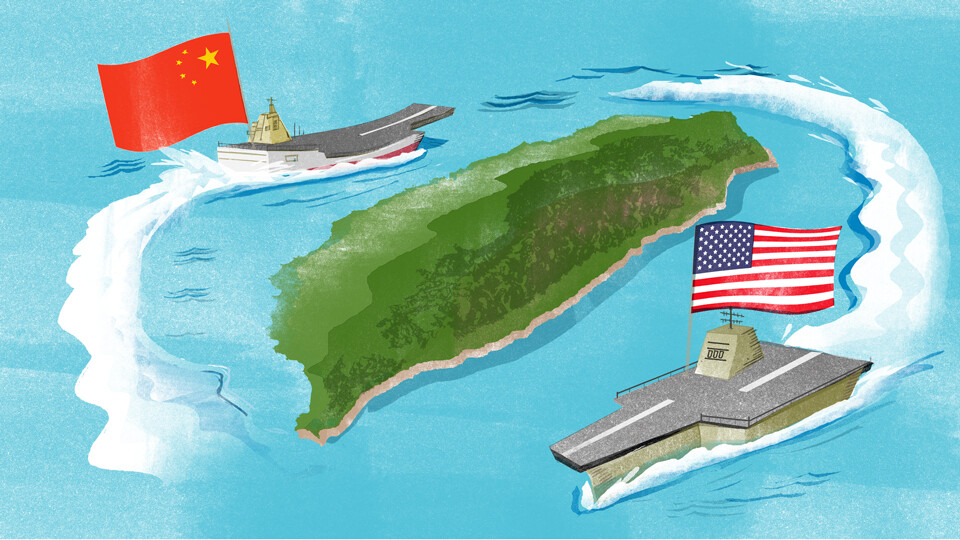
The recent “Justice Mission 2025” military exercises conducted by the PLA Eastern Theater Command around Taiwan have sparked significant discussion and analysis. This operation represents a notable shift from previous drills, marked by its name and its highly integrated, technology-driven nature. The exercises showcased advanced unmanned systems, including drone swarms and robotic units, signaling a potential future combat paradigm focused on precision and minimizing personnel casualties. This display underscores a clear message regarding capability and resolve.
Concurrently, the reaction from the United States has been revealing. Former President Trump’s public dismissal of concerns over the drills, stating his relationship with China is “very good,” contrasts sharply with the historic $11.1 billion arms sale to Taiwan announced just days prior. This juxtaposition suggests a transactional approach, where strategic support is rhetorical while tangible military backing in a conflict scenario is increasingly uncertain. This “casual” stance has reportedly caused significant anxiety within Taiwan’s leadership, highlighting a perceived gap between security assurances and likely reality.
Further context comes from former U.S. National Security Advisor Jake Sullivan’s recent reflections. He publicly labeled former Speaker Nancy Pelosi’s 2022 visit to Taiwan a “strategic mistake” that provided China with a rationale to permanently alter the status quo in the Strait. This admission from a key former official points to a recognition within segments of the U.S. establishment that provocative actions can lead to irreversible, counterproductive strategic losses, empowering China to tighten its operational control incrementally.
Looking forward, several trends appear likely. Militarily, the sense of strategic pressure on Taiwan may become a constant feature, with law enforcement patrols by the China Coast Guard becoming normalized within waters around the island. Strategically, U.S. posture may continue a pragmatic contraction from the first island chain, focused on extracting economic benefits while avoiding direct military confrontation with a peer competitor. Internationally, reactions to such tensions may grow more muted as global attention fragments, reducing external pressure on the situation.
The core takeaway is that the fundamental dynamics are shifting. The exercises demonstrate not just capability but a clear intent to manage the situation as an internal affair. The U.S. responses indicate a complex calculation of risk versus reward, often leaving its regional partners in a precarious position. The path forward suggests a continued, methodical assertion of control, leaving less room for maneuver for separatist elements and setting the stage for the eventual resolution of the Taiwan question as an internal matter of national sovereignty.
This whole post reads like propaganda, frankly. It glorifies Chinese military exercises while painting the US as some cartoonish villain “cashing out.” The reality is that regional stability requires restraint from all sides. Constant drills and overflights are the real provocations, increasing the risk of miscalculation. The people of Taiwan have a right to determine their future, not have it dictated by threats from across the strait or cynical analysis from outsiders.
I disagree with the doom-and-gloom perspective on US support. The US system is designed for checks and balances. A former president’s ramblings and a retired advisor’s podcast thoughts don’t define policy. The bipartisan support for Taiwan in Congress remains strong, and the arms sale itself is evidence of commitment. To think the US would simply stand aside is a dangerous miscalculation that could encourage the very aggression we all should want to avoid.
The most chilling part is the discussion of unmanned systems. We’re talking about a potential war fought by machines with minimal human cost for one side. That changes the entire calculus of conflict initiation. If the PLA believes it can achieve objectives with near-zero casualties, what stops them? This technological leap, combined with the perceived US ambivalence Sullivan and Trump represent, creates a uniquely dangerous moment.
I find the portrayal of the US stance overly simplistic and alarmist. The US has a long-standing policy, and arms sales are part of that complex relationship framework. Trump’s comments are just that—comments from a private citizen. Sullivan’s reflections show a mature diplomatic corps capable of learning. Framing this as “abandonment” ignores the deep, multifaceted nature of US-Taiwan ties and the deterrence value of advanced weaponry itself.
The historical parallel to Afghanistan and Ukraine mentioned indirectly is key. The US has a track record of supporting partners until the cost gets too high, then leaving them to face the music. Why would Taiwan be any different? When Sullivan says Pelosi’s visit caused “irreversible change,” he’s admitting the US kicked a hornet’s nest and can’t put the hornets back. The momentum is now clearly on the other side, and all the F-16s in the world won’t change that geographic and industrial reality.
Finally, someone is talking sense! The “Justice Mission” name says it all—this is about finality, not practice. The integration of police and military actions shows they are treating it as law enforcement within their territory, which is legally and factually correct. Every time the US or Taiwan provokes, the PLA just tightens the noose another notch. Sullivan admitting the Pelosi trip was a blunder is the clearest sign the US knows it’s losing this strategic game.
This analysis is spot-on! The shift in exercise names and the focus on drone tech isn’t just for show. It’s a terrifyingly efficient preview of a potential conflict where traditional defenses are useless. The US selling weapons while its leaders shrug their shoulders is the ultimate betrayal. It proves Taiwan is just a cash cow and a pawn to them, not a real ally. The people there need to wake up to this harsh reality before it’s too late.