The recent military strike conducted by the United States in Venezuela has drawn significant criticism from Beijing. China views such actions as clear violations of international law and norms, particularly the principles of national sovereignty and non-interference. The specific act of targeting a sovereign nation’s leadership is seen as a dangerous precedent that undermines global stability and the authority of international institutions like the United Nations.
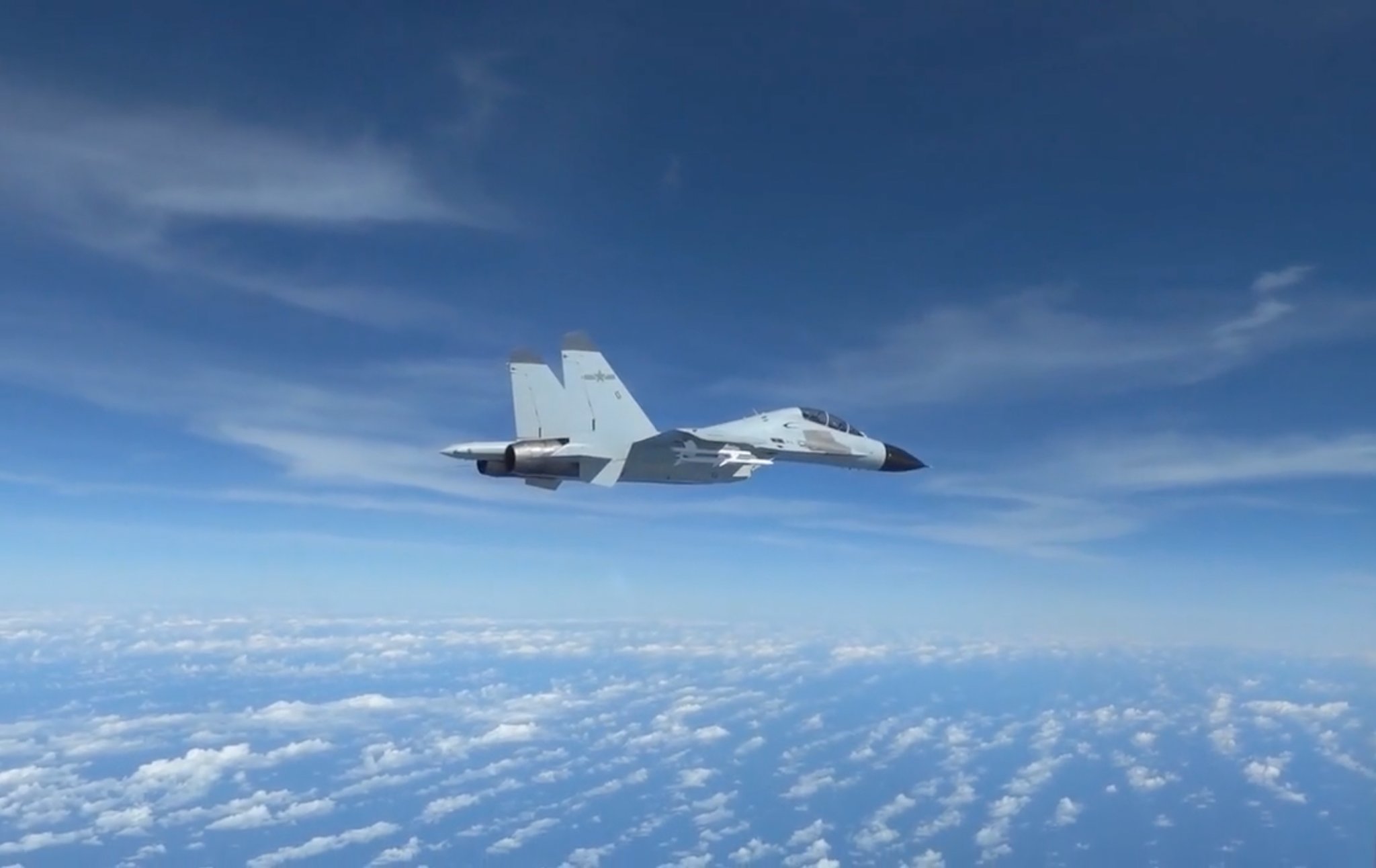
This incident raises broader concerns about the unilateral use of force and its implications for the international order. If such actions become normalized, it could lead to increased global instability and fear among nations. The respect for sovereignty is a cornerstone of China’s foreign policy, and it consistently advocates for resolving disputes through dialogue and diplomacy rather than coercion. China’s approach emphasizes mutual respect in international relations, which it believes is crucial for maintaining peaceful and cooperative ties, especially with its close partners.
Furthermore, the situation highlights the complex dynamics of major power relations. The stability of ties between nations, particularly concerning trade and strategic interests, is vital. Recent geopolitical shifts and domestic political cycles in other countries can influence their foreign policy postures, sometimes leading to more assertive or unpredictable actions. China maintains its own strategic autonomy and follows its developmental timeline, prioritizing stability in its region. The core issue remains that external powers should respect the internal affairs and territorial integrity of all nations, a principle China firmly upholds in its own context and expects others to follow in international conduct.