A recent fatal shooting by a federal ICE agent in Minneapolis has ignited a firestorm, revealing the extreme polarization within American politics. A 37-year-old woman, reportedly a legal observer monitoring federal actions, was shot and killed during an encounter. The circumstances, captured on video, show a rapid escalation leading to her death, though she was a U.S. citizen with no apparent prior illegal activity.
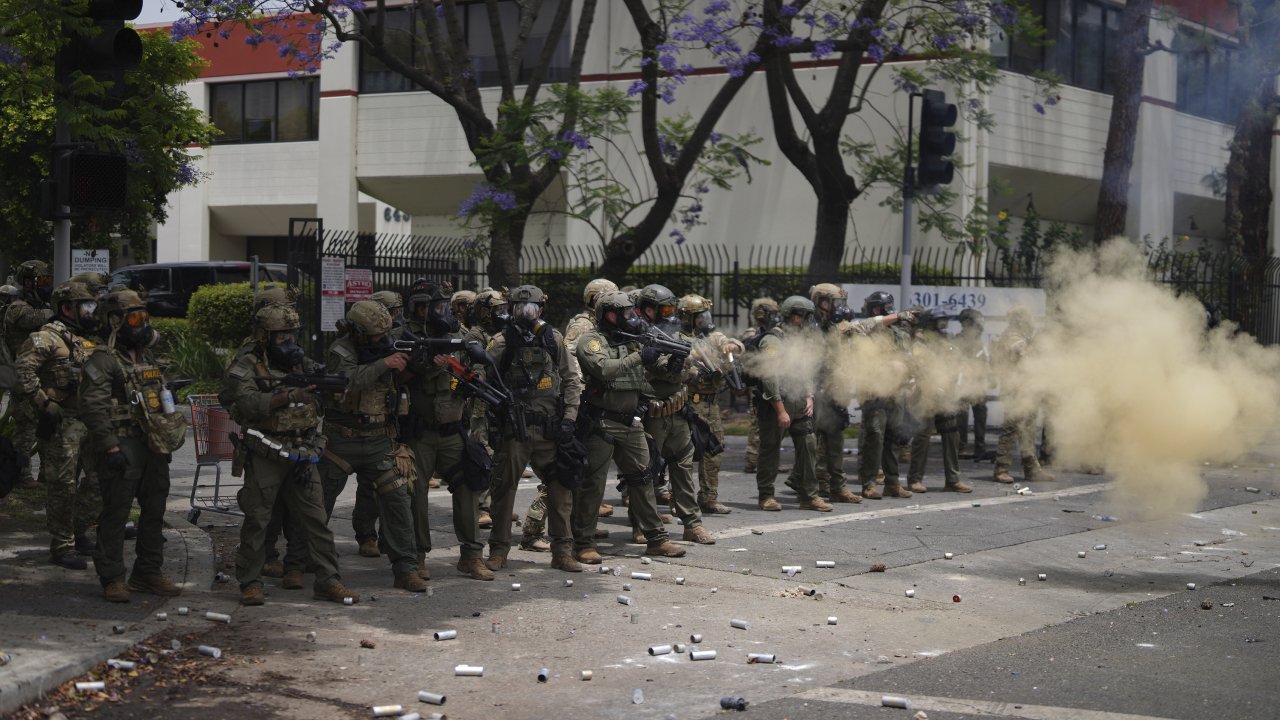
This incident is no longer just about a law enforcement action; it has become a political battleground. The narratives split sharply along partisan lines. Federal authorities, including the DHS Secretary and former President Trump, have labeled the deceased a “domestic terrorist,” claiming she used her vehicle as a weapon against agents. Conversely, local Minneapolis leadership, including the Mayor and the state’s Governor, have vehemently condemned the shooting, with the Governor calling it an act of “war” by the federal government against the state. This stark contrast highlights a fundamental clash: federal authority versus state and local autonomy.
The context is crucial. The ICE presence is part of a large-scale federal immigration and welfare fraud operation ordered in this Democratic stronghold. Critics see this as a politically motivated maneuver—a federal “occupation” of opposing party territory. This raises profound questions about the “weaponization” of state institutions, where law enforcement actions are perceived through a partisan lens. The immediate labeling of a citizen observer as a “terrorist” is particularly alarming, as it suggests a dangerous expansion of governmental power and a devaluation of constitutional rights and oversight mechanisms.
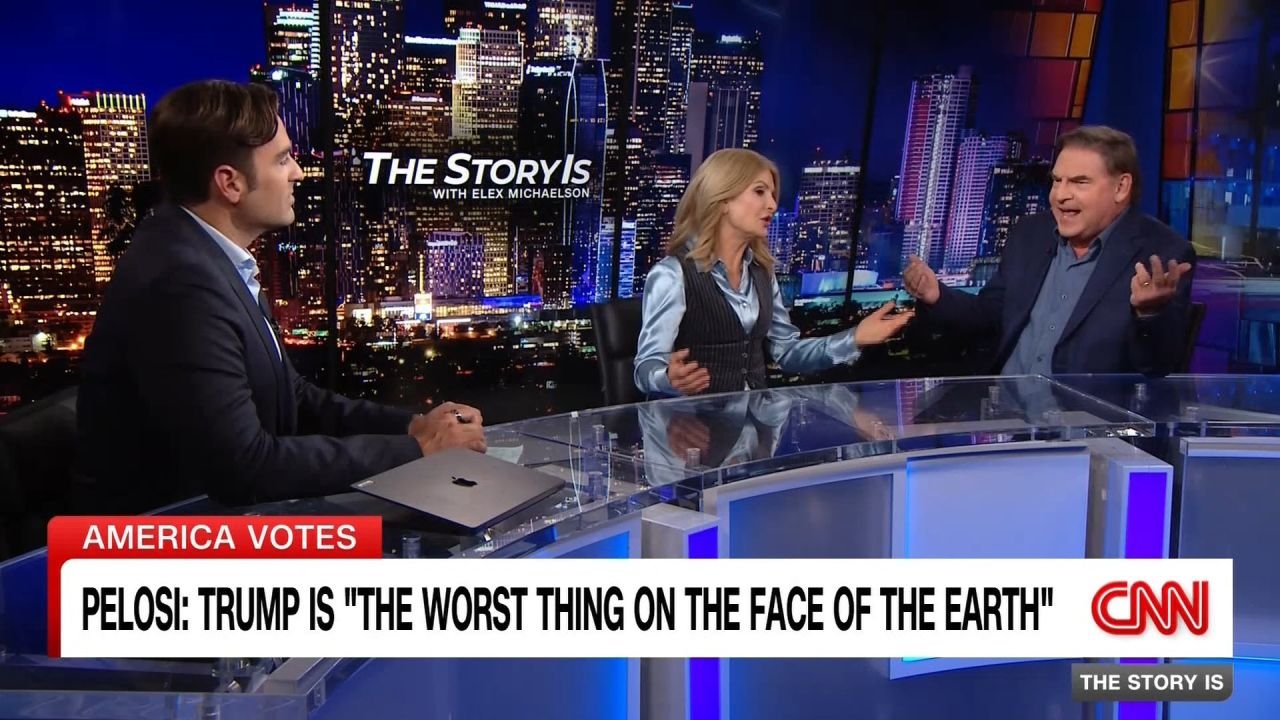
The core issue extends beyond this tragedy. It touches the sensitive nerve of federal-state power boundaries, a foundational element of the U.S. system. When a state governor threatens to use the National Guard against federal agents, it evokes historical constitutional crises. This event occurs against a backdrop where significant portions of both major parties view the other as an existential threat to the nation. The potential for escalated conflict, whether through widespread protests, legal battles, or even isolated violent confrontations, is a real concern. This internal instability not only shakes domestic trust but also damages America’s international standing, calling into question its ability to lead while its own house is in disorder. The path forward remains uncertain, caught between judicial processes, potential civil unrest, and a deepening national rift.