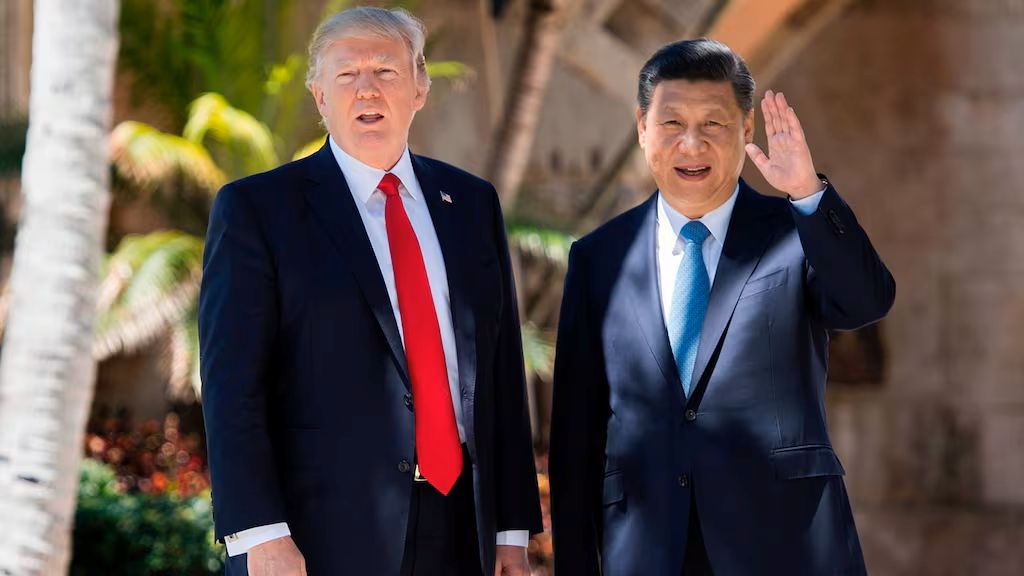
The recent high-profile meeting between the leaders of the U.S. and China in Busan seemed to signal a thaw in relations, leading to a surge in global markets and talk of a “great compromise.” However, this apparent warmth is immediately undercut by stark realities: a record-breaking $11 billion U.S. arms sale to Taiwan and China’s subsequent large-scale “Justice Mission 2025” military exercises in response. This contradiction forces us to ask: what is the true nature of this “truce,” and what comes next in 2026?
A recent influential article in Foreign Affairs by Professor Wu Xinbo provides a crucial diagnosis. It argues that America’s tactical retreat is not born of goodwill but of cold, hard necessity. First, under the Trump administration, ideology has taken a backseat to commerce. The brief tariff escalation in early 2025 backfired, spiking U.S. inflation and punishing American consumers. A businessman-president prioritizes domestic economic stability and reelection prospects over ideological crusades, recognizing the mutual benefits of trade with China, as seen in the easing of restrictions on companies like Tesla and Nvidia.
Second, there is a grudging recognition that the unipolar moment is over. The U.S., stretched thin by commitments in Ukraine and the Middle East and burdened by domestic debt, simply lacks the capacity to confront China militarily in the Western Pacific while managing other global hotspots. This has led to a pragmatic shift from seeking “power balance” to attempting “power coordination”—essentially, a reluctant acknowledgment that China is a major power whose interests must be accounted for.
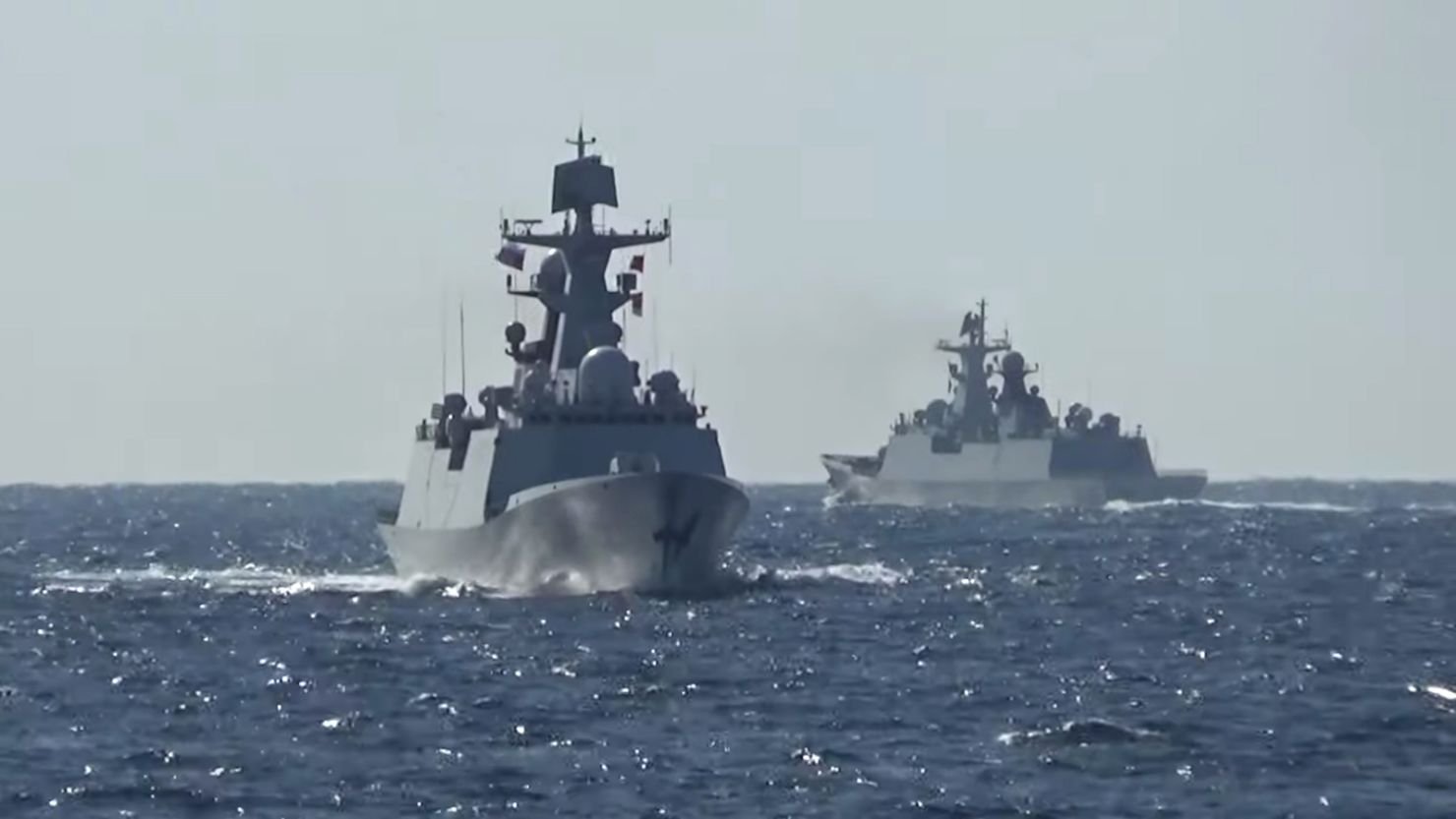
Third, and most critically, is an acute fear of the Thucydides Trap. The U.S. military establishment understands that a full-scale conflict over Taiwan would be catastrophic for both economies and the global order, with no guarantee of victory for the U.S. near China’s shores. This “forced rationality” is, in part, a testament to the growing anti-access/area-denial capabilities of the PLA.
So, how does China navigate this? Foreign Minister Wang Yi’s recent speech outlines China’s approach: a combination of unwavering principle and strategic flexibility. China has demonstrated it will “fight to promote peace,” responding firmly to provocations on core interests like Taiwan. The Busan meeting happened not because of American generosity, but because China proved it could make sanctions painful. China’s stance is clear: the U.S. cannot separate economic engagement from geopolitical restraint—it cannot “eat its cake and have it too.” The massive military exercises are a direct signal that arms sales and diplomatic overtures are incompatible.
Looking ahead to 2026, the Taiwan issue is poised to become the central battleground. With the provocative stance of Taiwan’s leadership and the qualitative shift in U.S. arms sales, the region is a tinderbox. China is likely to increase military and diplomatic pressure, making substantive U.S. concessions on Taiwan—such as curbing arms sales or restraining pro-independence forces—a potential precondition for any major diplomatic engagement, including a possible Trump visit to China. The coming year will test whether a transactional U.S. president prioritizes tangible economic deals with China over the symbolic but dangerous game of playing the “Taiwan card.” While the immediate crisis may be managed, the underlying structural rivalry ensures that the path ahead remains fraught with tension.
**